
How Ayurveda Helps Manage PCOS Symptoms
Polycystic ovary syndrome (PCOS) affects many women, causing symptoms like irregular periods, acne, weight gain, and insulin resistance. Ayurveda offers natural ways to manage these symptoms by addressing hormonal imbalances through diet, herbs, and lifestyle changes. Key Ayurvedic strategies include:
- Balancing doshas: Kapha, Pitta, and Vata imbalances are linked to PCOS symptoms.
- Dietary changes: Focus on warm, cooked meals with vegetables, whole grains, and lean proteins.
- Herbs: Ashwagandha, shatavari, turmeric, and triphala support hormonal balance and reduce inflammation.
- Lifestyle practices: Regular yoga, pranayama (breathing exercises), and stress management techniques.
- Combining treatments: Ayurveda can complement modern medicine, such as medications for insulin resistance or hormonal issues.
Ayurvedic PCOS Management: Diet, Herbs, and Lifestyle Guide
Ayurvedic Diet Recommendations for PCOS
Building a PCOS-Friendly Ayurvedic Meal Plan
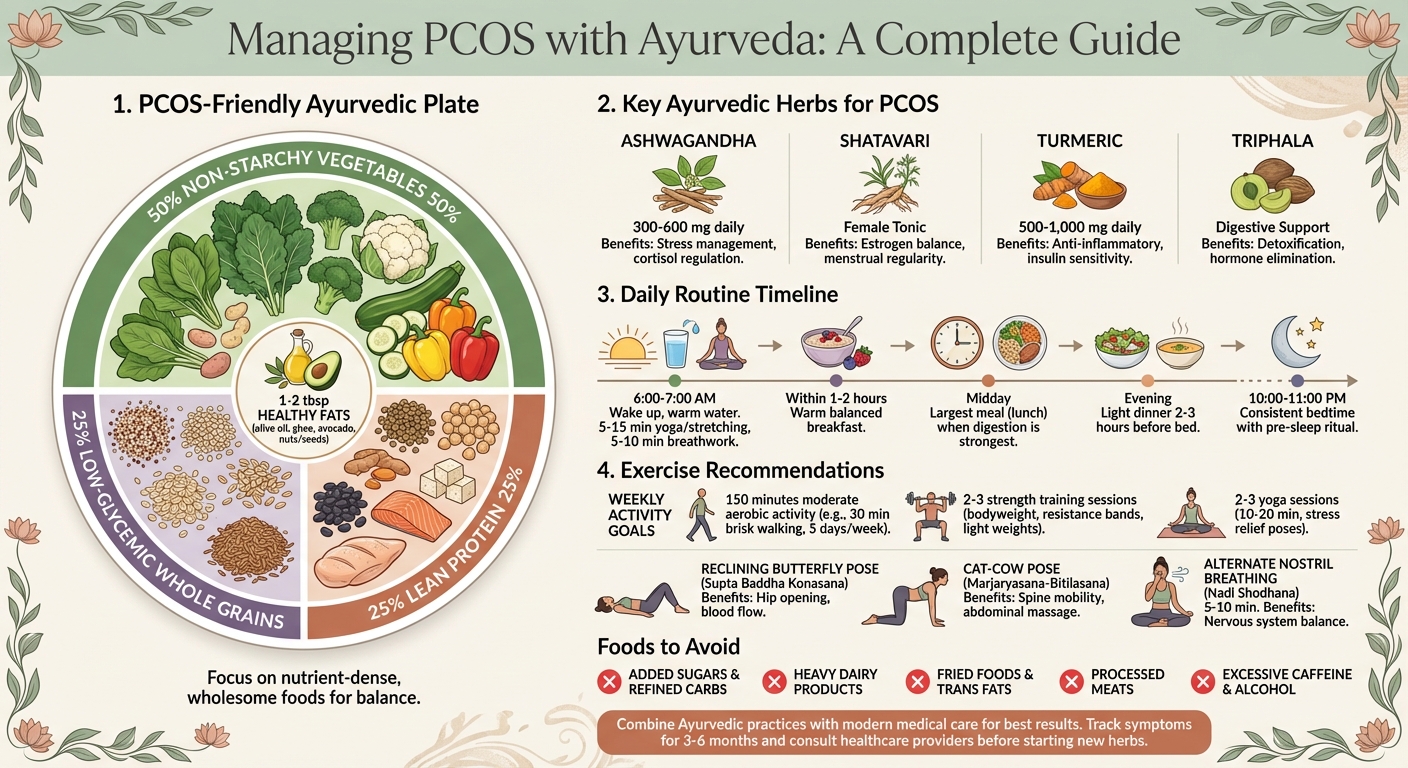
An Ayurvedic approach to meal planning for PCOS focuses on warm, cooked dishes that are easy on digestion. Aim for a balanced plate: 50% non-starchy vegetables (like leafy greens, broccoli, cauliflower, zucchini, or bell peppers), 25% low-glycemic whole grains (such as quinoa, steel-cut oats, barley, or brown rice), and 25% lean protein (lentils, chickpeas, black beans, tofu, or small portions of fish or poultry). Add 1–2 tablespoons of healthy fats, such as olive oil, ghee, avocado, or a handful of nuts and seeds, to round out the meal.
Stick to three structured meals a day: a warm breakfast shortly after waking, a hearty lunch when digestion is strongest, and a lighter dinner at least 2–3 hours before bedtime. This routine helps keep insulin levels steady and supports hormonal balance while curbing late-night cravings. For example, your day might begin with a bowl of warm steel-cut oats topped with cinnamon, ground flaxseed, and blueberries. Lunch could be a quinoa bowl with sautéed kale, roasted vegetables, chickpeas, and a turmeric-ginger dressing. Dinner might include lentil soup, roasted Brussels sprouts drizzled with olive oil, and a small side salad.
This type of meal plan not only nourishes the body but also serves as a foundation for incorporating specific herbs and spices that further promote hormonal health.
Using Spices and Herbs for Hormone Balance
Spices do more than just add flavor - they can actively support hormone regulation in PCOS. Take turmeric, for example. Its active compound, curcumin, is known for its anti-inflammatory and antioxidant properties, which may help reduce the inflammation often associated with PCOS. Cinnamon is another powerhouse, with research suggesting it can improve fasting blood sugar levels and enhance insulin sensitivity. Sprinkle 0.5–1 teaspoon of cinnamon on oatmeal, mix it into herbal teas, or blend it into smoothies for daily benefits.
Fenugreek is traditionally used to help regulate blood sugar, and preliminary studies suggest it may also improve menstrual cycles and ovarian health in women with PCOS. Ginger is a digestive aid that helps clear metabolic waste and enhances nutrient absorption. Use spices like turmeric, cumin, coriander, and ginger to cook vegetables, lentil soups, or kitchari - a one-pot Ayurvedic dish. For an easy digestive tea, steep ginger and cinnamon in hot water. Another Ayurvedic favorite is a blend of cumin, coriander, and fennel seeds simmered in water, which can help reduce bloating and improve digestion throughout the day.
What to Eat and What to Avoid
To support hormonal health, focus on foods that are nutrient-dense and align with Ayurvedic principles. Include plenty of high-fiber vegetables, low-sugar fruits (such as berries, apples, and pears), and legumes like lentils, mung beans, chickpeas, and black beans for a combination of protein and fiber. Opt for modest portions of whole grains, especially at lunchtime, and stay hydrated with water and unsweetened herbal teas. Small amounts of unsweetened yogurt or plant-based alternatives can also benefit gut health.
On the flip side, steer clear of added sugars, refined carbs, heavy dairy products, fried foods, processed meats, trans fats, and excessive amounts of caffeine and alcohol. These can disrupt sleep, increase anxiety, and destabilize blood sugar - all of which can worsen PCOS symptoms.
Ayurvedic Herbs That Help with PCOS Symptoms
Herbs for Hormone Balance and Stress Management
Ashwagandha (Withania somnifera) is a popular Ayurvedic herb often used to help manage PCOS symptoms. Known for its ability to support the body’s stress response, it can be particularly helpful when elevated cortisol levels worsen insulin resistance and increase androgen levels - leading to symptoms like acne or unwanted facial hair. By regulating cortisol, ashwagandha may also support thyroid function, improve sleep, and help restore menstrual regularity. A typical dose ranges from 300–600 mg of standardized root extract once or twice daily, though it’s always best to consult a healthcare practitioner to determine the right amount for you.
Shatavari (Asparagus racemosus), often referred to as a "female tonic" in Ayurveda, is another herb that supports estrogen balance and reproductive health. It’s commonly used for menstrual irregularities or fertility concerns, often taken as a powder or capsule under professional supervision. Triphala, a blend of three fruits (amalaki, bibhitaki, and haritaki), complements these herbs by promoting digestion, regular bowel movements, and gentle detoxification. By aiding in the elimination of toxins and excess hormones, Triphala can support overall endocrine function. For instance, a 2024 case report in the Journal of Ayurveda and Integrative Medical Sciences highlighted a 23-year-old woman with PCOS who saw her menstrual cycle return to normal and symptoms improve after taking Triphala Churna for two months.
Herbs That Reduce Inflammation and Support Metabolism
Beyond stress and hormone balance, certain Ayurvedic remedies target inflammation and metabolic issues, which are central to managing PCOS. Turmeric (Curcuma longa) and its active compound, curcumin, are well-known for their anti-inflammatory properties and ability to improve insulin sensitivity. Lowering inflammation can lead to fewer acne breakouts, reduced joint discomfort, and better weight management. Turmeric can be added to meals (paired with black pepper and healthy fats to boost absorption) or taken as a supplement, typically in doses of 500–1,000 mg per day, divided with meals. However, if you’re on blood thinners or diabetes medications, consult your doctor first, as turmeric can interact with these drugs.
Guduchi (Tinospora cordifolia), also called giloy, is another Ayurvedic herb used to reduce systemic inflammation, support liver detoxification, and improve glucose and lipid metabolism. It’s often included in formulas designed to address metabolic and inflammatory concerns. Guduchi is available in tablets, capsules, or decoctions and is usually prescribed by Ayurvedic practitioners. It can also be combined with conventional treatments like metformin for a more comprehensive approach.
Safety Considerations and Combining Herbs with Medications
When incorporating Ayurvedic herbs into your treatment plan, it’s essential to work closely with both your Ayurvedic practitioner and primary healthcare provider to ensure safe and coordinated care. For example, ashwagandha can amplify the effects of thyroid hormones, sedatives, and blood pressure medications. Turmeric and curcumin may interact with anticoagulants, antiplatelet drugs, and medications for diabetes. Similarly, shatavari has mild estrogen-like effects, so it should be used cautiously in individuals with estrogen-sensitive conditions. Additionally, many of these herbs are not recommended during pregnancy unless prescribed by a qualified practitioner. To ensure safety, choose products that have been third-party tested, as some imported supplements may contain heavy metals or undeclared pharmaceuticals.
If you’re using telehealth services, such as Oana Health, make sure to share your supplement list with your provider. They can review your regimen, order necessary lab tests, and adjust medication doses as needed. Ayurvedic herbs like ashwagandha, triphala, and turmeric can complement prescription treatments by addressing underlying factors contributing to hormone imbalances. However, it’s crucial to start with one herb at a low dose, monitor for any side effects, and maintain open communication with your healthcare team. Used thoughtfully, these herbal strategies can enhance PCOS management and support broader lifestyle changes for long-term health.
Lifestyle Changes and Yoga for PCOS
Creating a Daily Routine for Hormone Health
In Ayurveda, having a regular daily routine is key to managing PCOS. Simple habits like consistent wake times, meals, and bedtimes can help stabilize hormones and blood sugar levels. Here’s an example schedule: wake up between 6:00–7:00 a.m., drink warm water, and spend 5–15 minutes on gentle yoga or stretching followed by 5–10 minutes of calming breathwork. Have a warm, balanced breakfast within 1–2 hours of waking, make lunch your largest meal around midday (when your digestion is strongest), and keep dinner light, eating at least 2–3 hours before bed to support insulin sensitivity. Avoid caffeine in the afternoon, step away from screens 30–60 minutes before bedtime, and aim to go to bed consistently around 10:00–11:00 p.m. Adding a soothing pre-sleep ritual like a warm shower, light reading, or self-massage with warm oil can help reduce stress and support hormone health.
Eating meals at regular times is another important piece of the puzzle. Skipping meals, grazing all day, or eating heavy dinners late at night can throw off glucose and insulin levels, making it harder to manage weight and symptoms like acne caused by high androgen levels. Similarly, a consistent sleep schedule can regulate your circadian rhythms, which play a big role in insulin sensitivity and reproductive hormones.
Physical Activity and Movement
Pairing your daily routine with regular exercise can make a big difference for PCOS management. Exercise improves insulin sensitivity, helps with weight management, and can lower androgen levels. A good starting point is 150 minutes of moderate aerobic activity each week - think brisk walking for 30 minutes most days - and 2–3 strength-training sessions per week using bodyweight exercises, resistance bands, or light weights. Strength training builds muscle, which helps your body use glucose more effectively and reduces insulin resistance over time. Ayurveda suggests exercising just enough to work up a light sweat while keeping your breathing steady, as overdoing it can stress your body and impact hormones.
If you’re new to exercise or feeling low on energy, begin with 20–30 minutes of brisk walking 4–5 days a week, add two days of simple strength training (like bodyweight squats, wall push-ups, or resistance band exercises for 15–20 minutes), and include 2–3 short yoga sessions (10–20 minutes) focused on stretching and relaxation. On days when your energy is low, opt for a slower walk, a shorter yoga session, or chair-based exercises instead of skipping movement altogether. Gradually increase the time or intensity every few weeks to keep progressing without overwhelming yourself. If you’re unsure where to start, telehealth providers or programs like Oana Health can help create a personalized exercise plan based on your health needs, weight, joint health, and other factors like insulin resistance or mood concerns.
Adding yoga into your routine can further boost stress relief and hormonal balance.
Specific Yoga Poses and Breathing Exercises
Certain yoga poses are especially helpful for managing PCOS. Reclining Butterfly Pose (Supta Baddha Konasana) gently opens the hips and pelvis, improves blood flow to the reproductive organs, and calms the nervous system. Cat-Cow Pose (Marjaryasana–Bitilasana) helps mobilize the spine, massages abdominal organs, and can relieve pelvic or lower back tension often experienced with PCOS. Restorative poses like Corpse Pose (Shavasana) activate the parasympathetic nervous system, which reduces stress - a major factor in insulin resistance and androgen imbalances. A short daily yoga sequence with 3–5 poses, holding each for several breaths, is an easy and manageable place to start.
Breathing exercises like Alternate Nostril Breathing (Nadi Shodhana) are also beneficial. This practice balances the nervous system and calms the mind, making it a valuable tool for addressing the chronic stress that can disrupt hormones and worsen insulin resistance. To try it, sit upright and alternate breathing through each nostril for 5–10 minutes. Practicing this once or twice a day - ideally in the morning or evening - can help lower your heart rate, ease stress, and improve sleep. Over time, it may even support the hypothalamic–pituitary–ovarian axis by reducing overactivity in the sympathetic nervous system. For added relaxation, pair this breathing practice with meditation or a body-scan exercise to amplify its calming effects, which can also help with mood issues often linked to PCOS.
sbb-itb-6dba428
Using Ayurveda with Telehealth Services
When You Need Medical Care
Ayurvedic practices can do wonders for overall wellness, but certain symptoms demand immediate medical attention. If you’ve missed your period for three or more months (and you’re not pregnant), have unusually heavy bleeding, severe pelvic pain, or notice symptoms like dark, velvety patches of skin (known as acanthosis nigricans), or rapid hair loss on your scalp, it’s time to contact a healthcare provider. Similarly, if you’ve been trying to conceive for a year - or six months if you’re over 35 - or are facing severe anxiety or depression linked to PCOS, a medical evaluation becomes essential. These symptoms can point to serious issues like endometrial overgrowth, significant insulin resistance, or other hormone-related conditions that need further investigation and treatment.
Blending Ayurveda with modern medical care offers a well-rounded approach. While Ayurvedic methods focus on long-term balance through diet, herbs, and lifestyle changes, conventional treatments like hormonal birth control, metformin, anti-androgen medications, and dermatologic therapies can provide quicker symptom relief and help regulate your cycle. Combining these approaches under professional supervision can improve your quality of life and reduce risks of complications like type 2 diabetes or heart disease. Together, they create a more effective plan for managing both immediate and long-term health concerns.
Building a Combined Treatment Plan
Given the importance of addressing symptoms promptly, teaming up with a telehealth provider is a smart move. Services like Oana Health, which specialize in PCOS, weight management, and female hormones, can complement Ayurvedic practices to craft a personalized care plan. Starting with a brief medical assessment, you’ll share details about your health history and symptoms. From there, licensed clinicians recommend evidence-based treatments tailored to your needs. These include affordable prescription options for managing unwanted facial hair, acne, weight, and insulin resistance [1]. Plus, medications are shipped directly to your home with free delivery, ensuring convenience and consistency.
At the same time, you can continue Ayurvedic practices like following a Kapha- and Pitta-balancing diet rich in whole, low-glycemic foods, incorporating herbs like ashwagandha and turmeric (under supervision), and practicing yoga and breathing exercises to reduce stress and support metabolic health. Coordination is key - make sure to share a full list of Ayurvedic herbs, teas, and supplements with your Oana Health clinician. This helps identify potential interactions, especially if you’re on medications like hormonal contraceptives or metformin. For instance, some detox herbs may influence liver enzymes or blood sugar levels, potentially affecting how prescriptions work. Regular telehealth check-ins - usually every 4–12 weeks during the early stages of treatment and every 3–6 months once symptoms stabilize - ensure your plan stays on track and adapts to your progress.
Tracking Your Progress and Adjusting Treatment
Tracking your progress is essential when combining Ayurvedic practices with prescription treatments. Many PCOS treatments take time to show noticeable results, so consistency is key. For example, 81% of Hairless Hype users reported significant improvements in unwanted hair within a year, with some seeing changes as early as eight weeks [1]. Similarly, topical metformin often starts showing effects after 3–4 weeks of daily use, with broader improvements in PCOS symptoms appearing within a few months [1].
To keep everything on track, document your menstrual cycle, noting dates and any irregularities. Use weekly photos to monitor affected areas, and regularly measure your weight and waist circumference. Additionally, track daily factors like energy levels, mood, sleep quality, and cravings on a simple 1–10 scale. These records provide valuable insights during telehealth follow-ups, helping your provider identify trends over time instead of relying on memory alone.
"It’s been a little over 5 weeks, and I’ve noticed a dramatic reduction in my facial hair growth. This has been such a relief for me. You really have to stick with it and be patient to notice results!"
- Allison L., Hairless Hype user [1]
"Thanks to Oana, my menstrual cycles are more regular, and my skin has never looked better! I also love the 24/7 accessibility and customer service that always goes the extra mile."
- Margaret K., MetSpiro pack user
During your appointments, ask questions like: Are my lab results (blood sugar, lipids, hormones) improving? Should we adjust medication doses or types based on changes in my symptoms? Are any of my Ayurvedic herbs unnecessary or interacting with my prescriptions? This structured approach allows both your telehealth provider and Ayurvedic practitioner to fine-tune your plan, ensuring the best possible outcomes.
Ayurveda Approach to PCOS | Dr. Smitha Jayadev | Apollo AyurVAID Hospitals

Conclusion: Managing PCOS with Ayurveda and Modern Medicine
Managing PCOS is a long-term commitment, and combining Ayurvedic practices with modern medical care can create a well-rounded approach to treatment. Ayurveda offers practical tools for daily life - like mindful eating, regular movement, and stress management - while telehealth services such as Oana Health provide personalized prescriptions, monitoring, and diagnostic support. Together, these methods can help alleviate symptoms like irregular periods, acne, and unwanted facial hair, while promoting a healthier weight, better metabolism, and overall well-being.
Modern medicine excels in precise diagnosis and targeted treatments, addressing core issues like inflammation, insulin resistance, and chronic stress. On the other hand, Ayurveda focuses on improving everyday habits through diet, stress relief, sleep, and physical activity. When integrated, these approaches not only tackle visible symptoms but also reduce long-term risks such as type 2 diabetes and heart disease. However, for this synergy to work effectively, careful coordination is essential to ensure safety and avoid potential conflicts.
Before starting any treatment, it's important to align all therapies to prevent harmful interactions. Herbal supplements, for instance, can interfere with prescription medications, impact liver function, or alter blood sugar levels. Always consult your healthcare provider before introducing new herbs or over-the-counter products. Avoid self-prescribing high doses or using complex formulations without the guidance of a qualified Ayurvedic practitioner and medical professional. If you experience warning signs such as severe pain, heavy bleeding, sudden weight gain, or noticeable mood changes, seek medical attention immediately.
To get started, consider scheduling a telehealth consultation through Oana Health to confirm your PCOS diagnosis, review your current medications, and explore how Ayurvedic practices can complement your care. Begin with small, manageable changes, like incorporating more whole foods and fiber into your meals or dedicating 10–15 minutes to an evening yoga and breathing routine. Track your symptoms - such as cycle length, skin condition, hair growth, mood, energy levels, and weight - over three to six months. Share this information during follow-ups to fine-tune your treatment plan.
While there's no quick fix for PCOS, many women notice meaningful improvements in cycle regularity, skin health, energy, and mood with consistent effort. Ayurveda provides a set of daily practices to help manage PCOS effectively, but it should never replace essential medical care, including fertility assessments or monitoring for complications like diabetes, high cholesterol, or high blood pressure. By blending ancient wisdom with modern science, you can take control of your PCOS journey and improve your quality of life with confidence.
FAQs
How can Ayurveda help manage PCOS symptoms alongside medical treatments?
Ayurveda offers a natural approach to complement medical treatments for PCOS, focusing on restoring hormonal balance and alleviating symptoms like hirsutism and acne. By incorporating personalized dietary plans, specific herbal remedies, and lifestyle changes, Ayurveda aims to improve insulin sensitivity, manage stress, and enhance overall health.
When paired with evidence-based treatments, such as prescribed medications for PCOS, Ayurvedic practices can work alongside modern medicine to provide a more comprehensive way to manage symptoms. This combination can address not just the physical effects of PCOS but also the emotional challenges that often come with it.
Which Ayurvedic herbs can help with managing PCOS symptoms?
Ayurveda provides a natural way to address PCOS symptoms by incorporating specific herbs into your routine. Among the most commonly suggested options are Ashwagandha, which helps manage stress hormones; Shatavari, known for its role in supporting hormonal balance; Turmeric, prized for its anti-inflammatory effects; and Fenugreek, which may aid in improving insulin sensitivity.
When paired with a nutritious diet and lifestyle adjustments, these herbs can help ease symptoms such as acne, irregular menstrual cycles, and unwanted hair growth. However, it’s crucial to consult a healthcare professional before introducing any new herbal supplements or remedies into your regimen.
How can diet help manage PCOS symptoms through Ayurveda?
In Ayurveda, diet plays a crucial role in managing PCOS symptoms by supporting hormonal balance and boosting overall well-being. The focus is on consuming nutrient-rich foods like whole grains, fresh fruits, vegetables, lean proteins, and healthy fats, while cutting back on processed foods, refined carbs, and sugary treats.
This dietary approach can help regulate insulin levels, ease inflammation, and promote hormonal balance. As a result, it may alleviate symptoms such as acne and excessive hair growth. Choosing your meals thoughtfully offers a natural way to help your body manage PCOS effectively.