
Best Probiotics for PCOS Weight Loss
Probiotics can support weight management in PCOS by improving gut health, reducing insulin resistance, and lowering inflammation. They work best when combined with a healthy diet, exercise, and proper medical care. Here's a quick overview of the most effective probiotic options:
- PCOS PROBIOTIC by PCOS Nutrition Center: Includes clinically studied strains (Lactobacillus acidophilus, L. casei, Bifidobacterium bifidum) to improve insulin sensitivity, BMI, and inflammation.
- Multi-Strain Probiotics: Combine several strains like L. acidophilus, L. rhamnosus, and B. bifidum for metabolic improvements.
- Bifidobacterium lactis: Helps reduce weight and waist size, especially in women with central obesity.
- Lactobacillus rhamnosus: Supports insulin sensitivity and hormonal balance, aiding in gradual fat loss.
- Synbiotic Formulas: Pair probiotics with prebiotic fibers like inulin for enhanced gut health and weight support.
- Probiotic-Rich Foods: Natural sources like yogurt, kefir, and kimchi can complement supplements.
For best results, take probiotics consistently for at least 12 weeks and pair them with a high-fiber diet, regular exercise, and sufficient sleep. Services like Oana Health offer personalized PCOS care plans that may include probiotics alongside other treatments.
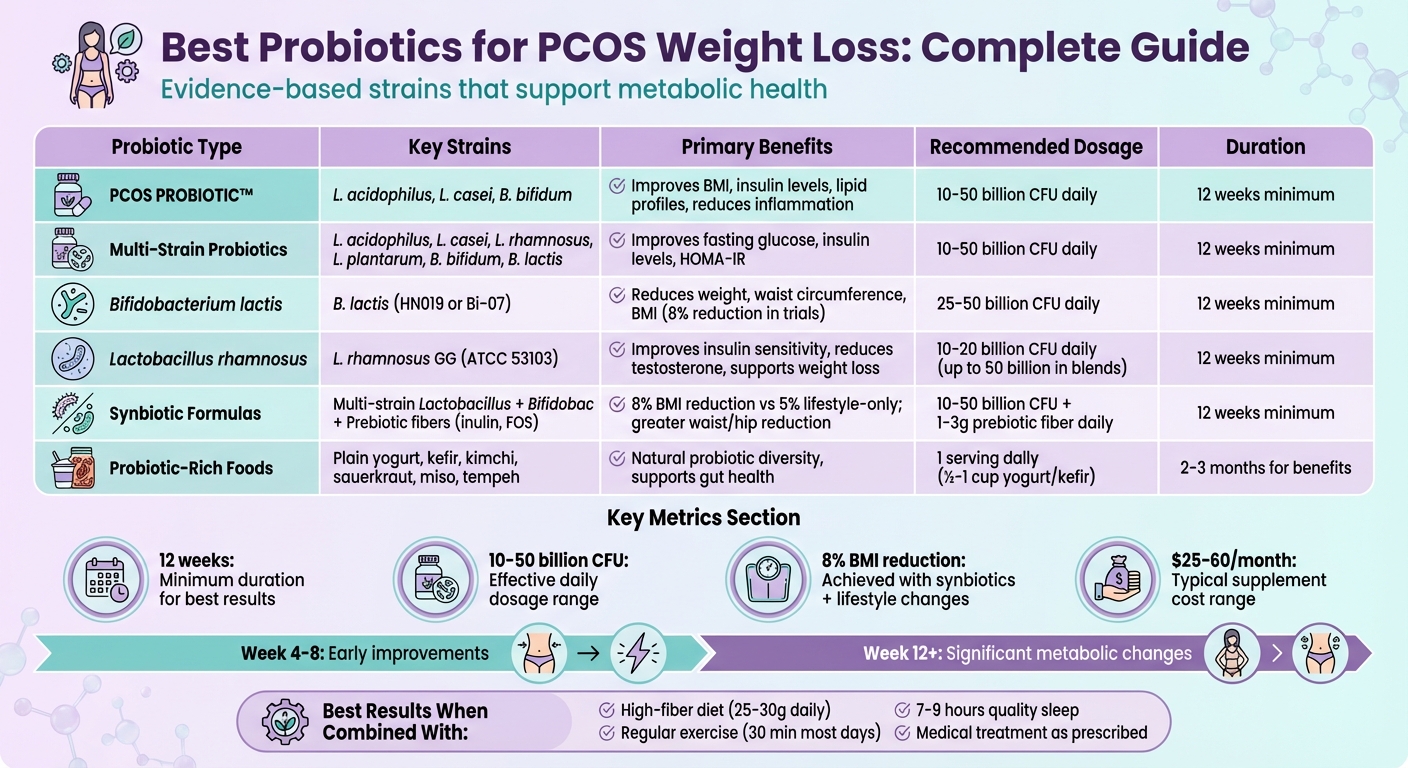
Top 6 Probiotics for PCOS Weight Loss: Strains, Benefits, and Dosages
Losing Weight with PCOS & Why It’s Hard (Dietitian Approved Recommendations + Tips)
How Probiotics Help With PCOS Weight Management
Probiotics play a supportive role in managing weight for women with PCOS by addressing underlying issues like insulin resistance, chronic inflammation, abnormal lipid levels, and appetite regulation. By gradually restoring gut health, probiotics improve metabolic functions, paving the way for more specific benefits, as highlighted in recent research.
One major advantage is improved insulin sensitivity. In a 12-week randomized trial involving 60 women with PCOS, a multi-strain probiotic blend (including Lactobacillus acidophilus, L. casei, and Bifidobacterium bifidum) significantly lowered serum insulin levels and improved HOMA-IR scores when compared to a placebo. These results are likely linked to better gut barrier integrity and increased production of short-chain fatty acids, which are known to enhance glucose metabolism. Supporting this, a 2020 meta-analysis of nine randomized controlled trials revealed that 8–12 weeks of probiotic or synbiotic supplementation improved fasting glucose, insulin levels, and HOMA-IR in women with PCOS.
Probiotics also help combat chronic inflammation, a common obstacle to weight loss in PCOS. Research using the same probiotic combination showed notable reductions in markers of systemic inflammation and oxidative stress, such as high-sensitivity C-reactive protein (hs-CRP) and malondialdehyde (MDA), after 12 weeks. Lowering inflammation not only enhances insulin sensitivity but may also make it easier to lose fat, particularly in the abdominal area.
Another benefit lies in improving lipid profiles. A meta-analysis of 587 women found that probiotic supplementation reduced total cholesterol, triglycerides, and LDL cholesterol while increasing HDL cholesterol levels. These changes can reduce long-term cardiovascular risks and support healthier body composition. The positive effects on lipid levels may result from increased bile salt excretion and the production of metabolites that aid fat processing.
Probiotics also influence appetite-related hormones, such as GLP-1, PYY, and ghrelin, helping to reduce hunger and promote feelings of fullness. While probiotics don’t directly burn fat, these metabolic improvements can amplify the effectiveness of other weight-loss efforts, such as maintaining a nutritious diet and staying active. Most studies on probiotics for PCOS span 8–12 weeks, with the most noticeable benefits often appearing around the 12-week mark.
1. PCOS PROBIOTIC by PCOS Nutrition Center
PCOS PROBIOTIC™ is a specialized supplement designed specifically for women with PCOS, created by the PCOS Nutrition Center and registered dietitian Angela Grassi. This formula includes three probiotic strains - Lactobacillus acidophilus, Lactobacillus casei, and Bifidobacterium bifidum - that have been clinically studied in women with PCOS.
In a 12-week study, this probiotic blend showed promising results, helping to improve BMI, insulin levels, lipid profiles, androgen levels, and inflammatory markers. What’s more, no adverse effects were reported during the trial. This makes it a practical addition to PCOS management, showcasing how targeted probiotics can play a role in addressing specific health concerns.
Each capsule is shelf-stable, requiring no refrigeration, and provides 10–50 billion CFU, aligning with the dosages used in clinical studies. Its once-daily format is convenient for both everyday use and travel.
Among the many probiotics available, PCOS PROBIOTIC™ stands out due to its clinically validated formulation. It offers metabolic support by addressing common PCOS-related issues like insulin resistance, inflammation, abnormal lipid levels, and excess androgens. When combined with a well-rounded approach that includes a healthy diet, regular exercise, and prescribed treatments, this supplement can help support overall metabolic health. For women using telehealth platforms like Oana Health, which provides tailored treatments for PCOS and related conditions, incorporating a targeted probiotic like this could further promote gut health and metabolic balance. This probiotic is just one piece of the puzzle in managing PCOS effectively.
2. Multi-Strain Lactobacillus and Bifidobacterium Probiotics
Multi-strain probiotics that combine Lactobacillus and Bifidobacterium species are designed to address multiple metabolic pathways linked to PCOS. These formulations often include strains like Lactobacillus acidophilus, L. casei, L. rhamnosus, L. plantarum, Bifidobacterium bifidum, and B. lactis in a single capsule, aiming to tackle PCOS-related weight and metabolic challenges. Recent studies back up their potential benefits.
Clinical reviews highlight notable metabolic improvements with these multi-strain probiotics. For example, a 2020 systematic review analyzing nine trials found that these probiotics significantly improved fasting glucose, insulin levels, and HOMA-IR in women with PCOS. Another meta-analysis of seven studies, covering 486 women with PCOS, showed reductions in HOMA-IR and serum insulin. However, BMI and waist circumference remained relatively unchanged over the short trial periods of 8–12 weeks. This implies that metabolic benefits often precede visible weight changes.
Women with PCOS and obesity frequently have reduced levels of Lactobacillus and Bifidobacterium, along with an increase in inflammatory gut bacteria. Replenishing these beneficial strains can help restore gut balance. Effective probiotic formulas typically deliver 10–50 billion CFU per day. For instance, some women's health probiotics provide 50 billion CFU from 16 strains, including L. plantarum and L. rhamnosus. Research suggests that consistent use for at least 12 weeks yields better metabolic outcomes compared to shorter durations.
As with single-strain probiotics, selecting the right multi-strain product is crucial. Look for formulas with clearly labeled strains and guaranteed CFU counts through the expiration date. Blends that include six or more complementary strains from the Lactobacillus and Bifidobacterium families may offer broader metabolic and gut health benefits, provided the total CFU dosage is adequate.
When combined with proper nutrition, regular exercise, and medical treatments, these probiotics can support hormonal balance and create conditions that promote gradual fat loss in women with PCOS.
3. Bifidobacterium lactis Probiotics for Weight and Waist Circumference
Bifidobacterium lactis (B. lactis) is a probiotic strain that has shown promise in helping reduce weight and waist measurements, particularly in women dealing with central obesity and PCOS. While many studies on PCOS probiotics involve multi-strain blends, B. lactis stands out in weight-focused supplements because of its well-documented effects on metabolism and body composition. Women with PCOS and obesity often have lower levels of beneficial bifidobacteria, and replenishing these strains may help lower insulin resistance and reduce central fat.
Clinical research has backed these benefits, with trials specifically investigating B. lactis formulations for weight management in PCOS. A 2023 review of PCOS probiotic studies found that supplementation improved markers like weight, BMI, and insulin resistance. In some cases, it also positively impacted waist circumference and waist-to-hip ratios, especially when combined with healthy lifestyle changes. One trial focusing on synbiotics (a combination of probiotics and prebiotics) in overweight women with PCOS reported an 8% BMI reduction and greater decreases in waist, hip, and thigh measurements after taking 25–50 billion CFU daily for 12 weeks, compared to a 5% reduction in the control group.
For the best results, look for products that specify the B. lactis strain, such as HN019 or Bi-07, and ensure they provide at least 10 billion CFU per day. Most studies recommend using these supplements for at least 12 weeks to see meaningful improvements in metabolism and body measurements.
Pairing B. lactis with prebiotic fiber - either in a synbiotic supplement or through fiber-rich foods like oats, beans, and vegetables - can amplify the benefits. PCOS trials using synbiotics (probiotics combined with prebiotics like inulin or FOS) have reported greater reductions in BMI and waist size than lifestyle changes alone. To monitor progress, measure your waist every 4–6 weeks and combine probiotics with a balanced diet, regular exercise, and sufficient sleep for the best outcomes.
For a more comprehensive approach to managing PCOS, telehealth platforms like Oana Health provide personalized support. These services can integrate probiotic strategies with prescription treatments for insulin resistance and hormonal balance, offering customized care delivered right to your doorstep.
4. Lactobacillus rhamnosus Probiotics for Women's Weight Support
Lactobacillus rhamnosus is one of the most studied probiotics for supporting weight management in women. Clinical trials have highlighted its positive effects on female metabolism, making it especially beneficial for women with PCOS who often face challenges like persistent weight gain and insulin resistance. Among the strains, L. rhamnosus GG (ATCC 53103) stands out for its targeted impact on these metabolic concerns.
This probiotic works by improving insulin sensitivity, reducing inflammation, and strengthening the gut barrier. These are critical benefits, as PCOS tends to lower beneficial Lactobacillus levels in the gut. Restoring these populations can help counteract the metabolic issues that contribute to central fat storage. A 2020 review of nine randomized controlled trials found that probiotics containing Lactobacillus species, including L. rhamnosus, led to significant improvements over 8–12 weeks. Participants experienced better fasting glucose and insulin levels, lower HOMA-IR scores (a marker of insulin resistance), reduced testosterone levels, and modest decreases in BMI.
When selecting a probiotic, look for products that clearly list strains like L. rhamnosus GG or CGMCC1.3724. Effective formulas typically provide 10–20 billion CFU daily, though women's blends often go higher, offering 30–50 billion CFU per day from multiple strains. Multi-strain options that combine L. rhamnosus with Bifidobacterium species tend to deliver even better results for PCOS by addressing various aspects of the condition, including weight, hormonal balance, inflammation, and gut health. Pairing probiotics with dietary changes, such as adding fiber-rich foods like vegetables, beans, whole grains, and oats, can further enhance their benefits. Consistency is key - take your probiotic daily for at least 12 weeks to see the best results.
In the U.S., L. rhamnosus supplements typically cost between $30 and $50 per month and are generally well-tolerated. For women managing PCOS with prescription medications like metformin, integrating probiotics into a treatment plan can be seamless. Telehealth platforms like Oana Health offer personalized care, combining medical therapies with lifestyle adjustments, including probiotic strategies. Licensed clinicians provide tailored plans to support insulin resistance, weight loss, and hormonal health, all delivered to your doorstep with free shipping.
sbb-itb-6dba428
5. Synbiotic Formulas With Prebiotic Fiber
Synbiotics combine probiotics with prebiotic fibers like inulin and fructo-oligosaccharides (FOS), which act as fuel for beneficial bacteria. This combination can be particularly helpful for women with PCOS, as prebiotic fibers support the survival and growth of probiotic strains in the gut. Together, they create a powerful synergy that builds on the metabolic benefits of probiotics.
Research supports this approach. In a clinical trial, overweight and obese women with PCOS who used a synbiotic supplement alongside lifestyle changes saw an 8% reduction in BMI. In comparison, women who only made lifestyle changes experienced about a 5% reduction. Additionally, the synbiotic group showed more significant decreases in waist, hip, and thigh measurements. The study's formula included Lactobacillus and Bifidobacterium strains (such as L. acidophilus, L. casei, and B. bifidum) paired with prebiotics like inulin and FOS, taken consistently for 12 weeks.
When choosing a synbiotic, look for products that combine multi-strain Lactobacillus and Bifidobacterium with a daily dose of 10–50 billion CFU and 1–3 grams of prebiotic fibers like inulin or FOS. These components work together to nourish beneficial gut bacteria effectively.
In the U.S., synbiotic supplements typically cost between $25 and $60 per month. They’re generally well-tolerated, though mild gas or bloating may occur initially, often subsiding within two weeks. For best results, use synbiotics consistently for at least 12 weeks to see improvements in metabolic markers and body measurements. You can also boost the benefits by pairing your supplement with fiber-rich whole foods like vegetables, beans, and whole grains.
Incorporating synbiotics can be a natural addition to your PCOS management plan. For those already on prescription treatments, platforms like Oana Health offer telehealth services that can integrate synbiotic strategies into a personalized care plan.
6. Probiotic-Rich Foods for PCOS Weight Support
Fermented foods are a fantastic way to introduce probiotics into your diet, promoting gut health and aiding in PCOS weight management. Popular options include plain yogurt, kefir, kimchi, sauerkraut, miso, and tempeh.
When choosing these foods, opt for unsweetened, plain versions to avoid added sugars, which can worsen insulin resistance. For instance, instead of flavored yogurt, try plain Greek yogurt topped with fresh berries and a sprinkle of nuts. This simple swap not only keeps your blood sugar steady but also provides protein, calcium, probiotics, and fiber.
| Probiotic Food | Key Features for PCOS | How to Use It |
|---|---|---|
| Plain yogurt with live cultures | Packed with Lactobacillus and Bifidobacterium; high in protein and calcium | Use unsweetened yogurt; add berries, nuts, or seeds. Enjoy ½–1 cup for breakfast or as a snack. |
| Plain kefir | Fermented milk drink with diverse probiotic strains | Choose plain kefir; blend 4–8 fl oz into a smoothie with spinach and berries. |
| Kimchi | Spicy fermented cabbage full of lactic acid bacteria | Add a few spoonfuls to grain bowls, eggs, or salads. Watch sodium levels if sensitive. |
| Sauerkraut (unpasteurized) | Fermented cabbage with live cultures | Use in sandwiches or salads; pick refrigerated, unpasteurized options for maximum probiotics. |
These foods are excellent natural sources of beneficial bacteria and work well alongside probiotic supplements. To maximize their impact, pair them with high-fiber whole foods like vegetables, beans, or oats. This combination creates a synergy that nourishes beneficial gut bacteria and supports insulin sensitivity.
Aim to include at least one serving of probiotic-rich food daily for 2–3 months to notice the benefits. Incorporating these foods into your diet can make a meaningful difference, especially for women managing PCOS symptoms like weight challenges, acne, or insulin resistance.
For a more tailored approach to PCOS care, consider integrating these dietary changes with personalized support from Oana Health. Their resources can help you build a comprehensive plan for managing PCOS effectively.
How to Choose and Use Probiotics for PCOS Weight Loss
When selecting a probiotic, pay close attention to the label. Look for the full strain names, such as Lactobacillus rhamnosus GG or Bifidobacterium lactis HN019, as these specific strains have been the focus of clinical research on PCOS. The label should also guarantee the CFU count through the product's expiration date - not just at the time of manufacture. Most studies on PCOS use doses in the range of 10–20 billion CFU per day. Additionally, high-quality products will include details like third-party testing or certifications (e.g., NSF or USP), an expiration date, storage instructions, and a full list of ingredients, helping you confirm exactly what you're purchasing. These details align with the broader metabolic benefits discussed earlier.
Start with one daily dose taken with food. If you notice sensitivity, begin with an every-other-day schedule for the first week before transitioning to daily use. During the first 1–2 weeks, you might experience mild side effects like gas, bloating, or changes in bowel movements as your gut adjusts - these are usually temporary and resolve on their own. By weeks 4–8, studies on PCOS often show early improvements in fasting glucose levels, insulin resistance, and inflammation, though visible weight changes may still be minimal at this stage.
Stick with your probiotic routine for 8–12 weeks. Keep track of your weight (in pounds), waist measurements (in inches), energy levels, and cravings at the start and again at 12 weeks to assess progress. Some studies indicate that benefits for central obesity may continue to develop beyond three months, so continuing beyond this period could be worthwhile if you notice positive changes.
Stop using the probiotic and consult your healthcare provider if you experience ongoing gastrointestinal discomfort, new abdominal pain, or symptoms like fever or chills that could indicate an infection. Women who are pregnant, significantly immunocompromised, have serious gastrointestinal conditions, or are taking immunosuppressive medications should talk to their doctor before starting probiotics. If you don’t see any improvements after 12 weeks despite following the regimen closely, review the product’s strains, CFU count, and overall quality with a clinician.
For the best results, combine your probiotic use with a fiber-rich diet, regular physical activity, and any prescribed treatments for PCOS. Services like Oana Health can provide personalized, prescription-based support to help manage your condition.
Combining Probiotics With Complete PCOS Care
Adding probiotics to a well-rounded PCOS care plan can amplify their positive effects on metabolic health. Clinical trials reveal that pairing probiotics with lifestyle changes leads to better metabolic outcomes. For instance, one study involving synbiotics and lifestyle modifications in overweight and obese women with PCOS reported an 8% BMI reduction in the synbiotic group compared to a 5% decrease in the lifestyle-only group. The synbiotic group also experienced more pronounced reductions in waist, hip, and thigh measurements.
To maximize these benefits, consider a daily routine that includes taking a multi-strain probiotic with breakfast, eating three low-glycemic, fiber-rich meals (targeting 25–30 grams of fiber daily), engaging in 30 minutes of exercise on most days, and getting 7–9 hours of quality sleep. This combination promotes gut health, enhances insulin sensitivity, and supports overall metabolic balance. Exercise helps reduce visceral fat and improve insulin response, while proper sleep regulates appetite hormones and minimizes metabolic disruptions that can worsen insulin resistance.
For those needing more personalized care, Oana Health provides telehealth services tailored to PCOS and weight management. Their licensed medical professionals can help you incorporate probiotics into a broader treatment plan, which may also include prescription options for managing insulin resistance, weight, and other PCOS-related symptoms like acne or unwanted hair. Medications and treatments are conveniently shipped to your home at no extra cost, allowing you to seamlessly combine probiotics with other therapies based on your lab results, symptoms, and goals.
Consult your clinician about how to integrate probiotics with any current treatments or lifestyle adjustments. They can guide you on the best strains and dosages for your specific PCOS profile and advise how diet and exercise can enhance the probiotics' effects. Telehealth appointments can provide ongoing support, help address challenges, and adjust your treatment plan based on progress in areas like weight, menstrual cycles, and lab results over time.
To stay consistent, incorporate probiotics into your daily routine using reminders or pill organizers, plan fiber-rich meals in advance, schedule workouts, and create a relaxing bedtime routine to protect your sleep. Women managing PCOS with multiple medications should work closely with their healthcare provider to ensure probiotics and high-fiber foods don’t cause gastrointestinal issues or interfere with their regimen. Services like Oana Health can help monitor symptoms and labs, ensuring probiotics are safely integrated into a comprehensive care plan.
Conclusion
Including probiotics in your PCOS weight management plan can offer meaningful support when paired with a well-rounded care approach. Studies suggest that multi-strain probiotics featuring Lactobacillus and Bifidobacterium species may help improve insulin sensitivity, reduce inflammation, lower triglycerides, and support better testosterone and SHBG levels. These changes address key metabolic and hormonal hurdles that often complicate weight management over time.
To maximize these benefits, probiotics work best alongside lifestyle shifts like adopting a high-fiber, low-glycemic diet, engaging in regular exercise, managing stress effectively, and ensuring quality sleep.
For noticeable results, stick with your probiotic regimen for at least 12 weeks. Pay attention to changes in weight, energy levels, and metabolic markers - these can provide valuable insights into your progress.
For tailored PCOS care grounded in research, visit Oana Health to explore evidence-based treatment options.
FAQs
How can probiotics help with insulin sensitivity in women with PCOS?
Probiotics play a role in improving insulin sensitivity for women with PCOS by promoting better gut health. They work to balance gut bacteria, lower inflammation, and support metabolic processes. These improvements can help regulate blood sugar levels and enhance how the body responds to insulin.
Since gut imbalances are often connected to PCOS, probiotics can aid in boosting overall metabolic health. This is especially important for managing common symptoms such as insulin resistance and weight gain.
Which probiotic strains help reduce inflammation in women with PCOS?
Certain probiotic strains - like Lactobacillus acidophilus, Bifidobacterium lactis, and Lactobacillus rhamnosus - are known to support gut health and may help reduce inflammation. These probiotics can play a role in improving digestion, balancing gut bacteria, and contributing to overall wellness.
For women dealing with PCOS, managing inflammation is crucial for addressing symptoms such as insulin resistance and weight gain. Including these probiotics in your daily routine, along with maintaining a nutritious diet and active lifestyle, could be a helpful step toward better symptom management.
How long does it take for probiotics to help with weight loss in PCOS?
Most individuals with PCOS might start seeing weight loss benefits from probiotics within 4 to 8 weeks of regular use. That said, outcomes can differ based on factors like the specific probiotic strain, the correct dosage, and lifestyle choices such as diet and physical activity.
To get the best results, opt for a high-quality probiotic designed to support gut health and address PCOS-related concerns. Be sure to consult a healthcare provider to confirm it fits well with your overall treatment plan.