
Eflornithine for PCOS: Skin Benefits and Risks
Eflornithine cream, primarily used to manage facial hair growth in women with PCOS, slows hair regrowth by targeting a key enzyme in hair follicles. While it doesn’t remove existing hair, it can make hair finer and less noticeable over time. Results typically appear within 4–8 weeks, with significant improvement reported after six months of consistent use. However, side effects like mild irritation, acne, or redness may occur. For best results, combine it with other treatments like laser hair removal and maintain regular application. Always consult a doctor before starting, especially if pregnant, breastfeeding, or managing other skin conditions.
Skin Benefits of Eflornithine
Slows Facial Hair Growth
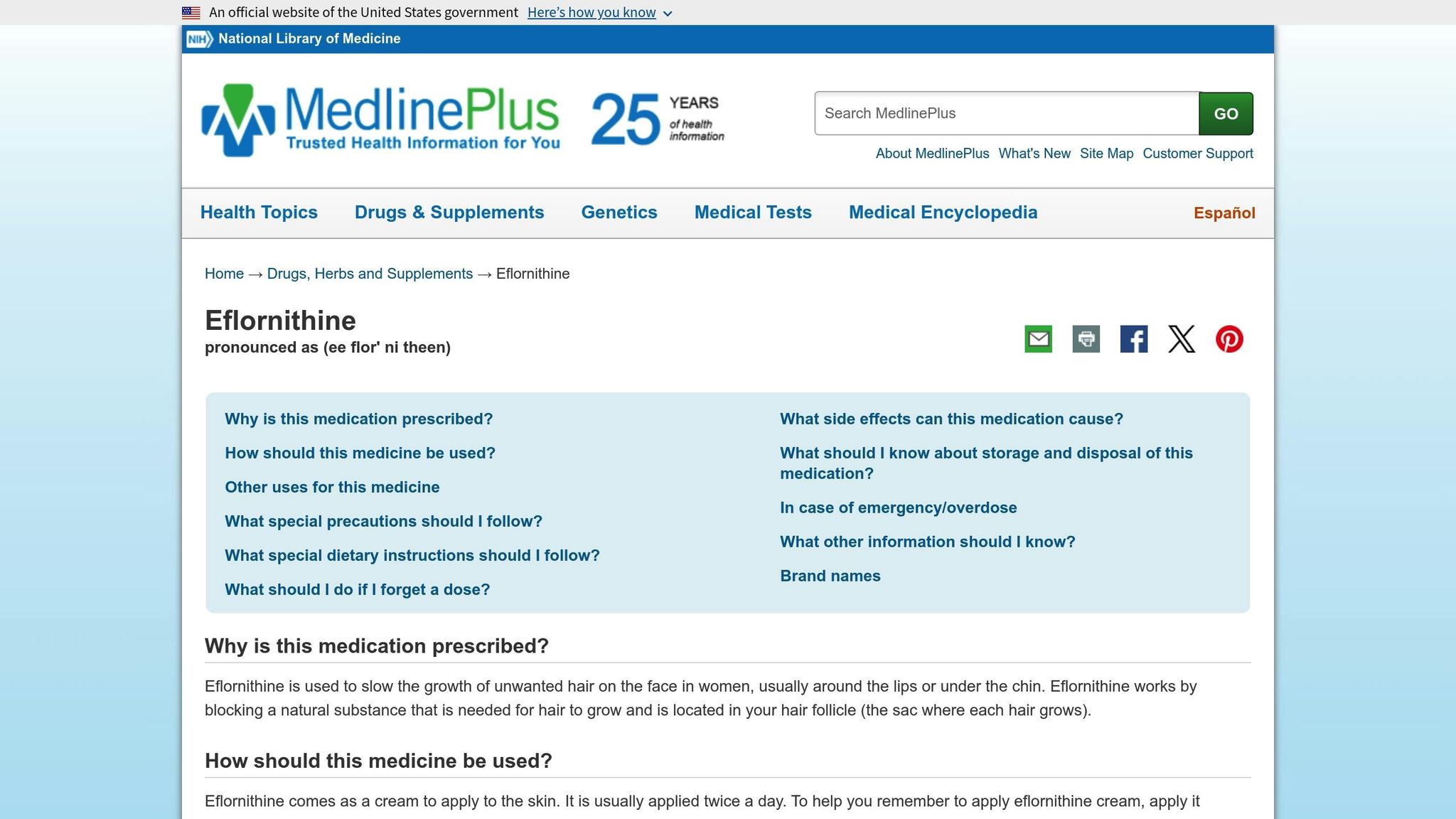
Eflornithine works by blocking ornithine decarboxylase, an enzyme essential for producing new hair cells in the follicle. By interfering with this process, it slows down hair growth, giving you longer intervals between hair removal sessions. While you’ll still need to remove hair, over time, eflornithine can make facial hair thinner and less noticeable, reducing its visibility and helping to minimize irritation caused by frequent hair removal. This dual effect addresses both the cosmetic and practical challenges of managing PCOS-related facial hair.
Better Results with Combined Treatments
While eflornithine is effective on its own, combining it with other treatments can enhance its impact. Studies suggest that pairing eflornithine with laser hair removal produces better outcomes than using laser treatment alone. Additionally, microneedling can improve absorption, further boosting its effectiveness. For best results, trim the hair with an electric clipper before microneedling.
Oana Health offers a treatment called Hairless Hype, which combines eflornithine with metformin lotion and azelaic acid for a multi-faceted approach. Starting at $115 per month, this treatment is prescribed by licensed healthcare providers and shipped directly to your door, with free delivery included.
"It's been a little over 5 weeks, and I've noticed a dramatic reduction in my facial hair growth. This has been such a relief for me. You really have to stick with it and be patient to notice results!"
- Allison L., Hairless Hype user [1]
Consistency is key to seeing results with combination treatments. Stick to your regular hair removal routine while using eflornithine, and wait for the cream to fully dry before applying cosmetics or sunscreen. Using more product or applying it more frequently won’t speed up results but could increase the chances of side effects. When combined with hormonal therapies, these strategies contribute to a well-rounded approach to managing PCOS symptoms.
When to Expect Results
Patience plays a big role when beginning eflornithine treatment. Most users start seeing improvements in 4 to 8 weeks of daily application. After six months, 60% of patients report reduced hirsutism. Clinical studies also show that within a year of consistent use, 81% of women experience a noticeable reduction in unwanted hair [1].
"Oana's telehealth service is fantastic! It's helped manage my insulin levels and reduce excess hair growth I was experiencing due to PCOS. I'm recommending this to all my friends with PCOS."
- Victoria A., Hairless Hype user [1]
It’s important to note that stopping eflornithine will cause hair growth to return to its previous rate. For women managing PCOS, incorporating eflornithine into a long-term skincare routine - alongside other management strategies - can help maintain results and improve both skin appearance and confidence over time.
Skin Risks and Side Effects
Eflornithine offers benefits, but its potential risks require careful attention to ensure safe use.
Common Side Effects
For most people, eflornithine is well-tolerated, though some mild skin reactions may occur, often resolving on their own. These reactions include acne (reported in about 7% of users, similar to placebo), temporary stinging, burning, tingling, redness, rash, or folliculitis. These effects usually subside as your skin adjusts to the treatment. Interestingly, among women without acne before treatment, around 14% developed it during the study, whether they used eflornithine or a placebo.
Eflornithine is considered safe because it is excreted unchanged in urine and doesn’t undergo metabolism in the body. While most side effects are mild and manageable, it’s still important to monitor your skin’s response, especially during the initial weeks of use. However, some reactions may require closer attention.
Serious Skin Reactions
Although rare, more serious side effects can occur. These include persistent dermatitis, changes in skin pigmentation, or abnormal sensations like paresthesia. If you notice any of these symptoms, it’s essential to contact your healthcare provider promptly.
A particular concern is the potential reactivation of the herpes simplex virus in individuals with a history of cold sores or other viral skin conditions. If you’ve previously had herpes simplex, inform your doctor before starting eflornithine and stay alert for signs of reactivation, such as blisters or sores on your face.
When to Contact Your Doctor
Knowing when to seek medical advice can help prevent minor side effects from escalating. Stop using eflornithine and consult your doctor if you experience severe irritation, persistent redness, or swelling[1]. These symptoms may indicate that your skin isn’t reacting well to the medication and that continued use could cause further issues.
Reach out to your healthcare provider if you develop severe acne, folliculitis, or signs of infection like warmth, pus, or increasing pain in the treated area. Blistering, unexpected changes in skin texture, or symptoms that disrupt your daily life also require immediate attention[1].
If you already have severe acne before starting eflornithine, discuss this with your doctor. The medication might aggravate your condition. Your doctor may suggest modifying your application schedule, such as applying the cream once daily instead of twice, or discontinuing use altogether if irritation becomes unmanageable.
Safety Guidelines for Eflornithine
Using eflornithine safely involves understanding who can use it, where it should be applied, and why medical guidance is essential.
Who Should Not Use Eflornithine
Before starting eflornithine, it’s crucial to talk to your doctor about your medical history. Certain conditions or circumstances may make this treatment unsuitable or require extra precautions.
Allergies:
Avoid eflornithine if you're allergic to it or any of its inactive ingredients, such as methylparaben. Be sure to inform your doctor about any past allergic reactions to medications or skincare products.
Pregnancy and Breastfeeding:
If you become pregnant while using eflornithine, contact your doctor right away. Women who are breastfeeding should also consult their healthcare provider, as the effects of eflornithine in these situations are not fully understood.
Current Medications:
Let your doctor know about all medications, supplements, and herbal products you’re taking. While eflornithine is excreted unchanged in the urine without being metabolized, your doctor needs to evaluate any possible interactions.
Significant Acne:
If you have acne, make sure to discuss it with your doctor before starting eflornithine. Studies have shown that 7% of women using eflornithine experienced worsening acne compared to 8% in the placebo group. Additionally, 14% of women without pre-existing acne developed it in both groups. Your doctor may adjust your treatment plan accordingly.
Broken or Damaged Skin:
Avoid applying eflornithine to areas with cuts, infections, or sores. Doing so can cause stinging, burning, or other complications. Wait until your skin fully heals before starting or resuming treatment.
Age Restrictions:
Eflornithine is not approved for children under 12 years old. For adolescents or young women with PCOS who experience unwanted facial hair, healthcare providers must carefully weigh the risks and benefits.
Once you understand these precautions, it’s time to focus on where the treatment can be applied.
Where You Can Use Eflornithine
Eflornithine is approved only for use on the face and under the chin in women. It is not intended for use on other parts of the body. This limitation exists because safety and effectiveness data are specific to facial applications. Applying eflornithine to unapproved areas could lead to unpredictable absorption, increased systemic exposure, and unknown side effects. The skin on the face differs in thickness, blood flow, and hair follicle density compared to other areas, which can affect how the medication works and its side effects.
If you’re dealing with unwanted hair in other areas, consult your doctor for alternative treatments designed for those regions.
Why Medical Supervision Matters
Using eflornithine under medical supervision ensures safe and effective treatment, especially for women with PCOS who may have additional health considerations.
Your doctor should perform a comprehensive skin assessment before prescribing eflornithine. This evaluation may include checking for conditions like a history of herpes simplex virus, which requires closer monitoring during treatment.
Regular follow-ups are essential. Typically, your doctor will schedule a check-in after 4 to 8 weeks of use to assess how well the treatment is working and monitor for any side effects. During this time, report any persistent or worsening reactions, such as redness, burning, stinging, or rash.
It’s important to note that eflornithine slows hair growth but does not stop it entirely or remove existing hair. You’ll need to continue your usual hair removal methods - like shaving or plucking - while using the cream. If you stop treatment, hair growth will return to its previous rate. Long-term or ongoing use may be necessary to maintain results, and your doctor can help determine if this aligns with your overall PCOS management plan.
For women with PCOS seeking accessible care, platforms like Oana Health offer online consultations. After reviewing your medical history, licensed physicians can prescribe treatments from FDA-regulated pharmacies, delivered directly to your home.
If your skin becomes irritated, your doctor may adjust your treatment plan, such as reducing the frequency of application or discontinuing use. This flexibility allows your provider to tailor the regimen to your skin’s needs, balancing benefits with potential risks.
sbb-itb-6dba428
How to Manage Side Effects and Get Better Results
To get the most out of eflornithine while keeping side effects in check, it’s important to follow some practical steps. Most side effects are manageable, and knowing when to seek medical advice can ensure your treatment is both safe and effective.
Tips to Reduce Skin Irritation
It’s common to experience mild side effects like burning, stinging, or redness during the first few weeks of using eflornithine. These reactions don’t mean the treatment isn’t working - they’re just signs that your skin needs some extra attention.
- Stick to the recommended usage. Applying more cream or using it more often won’t speed up results. In fact, it can make irritation worse. Eflornithine works by slowing hair growth through enzyme blocking, and this process takes time no matter how much you apply.
- Avoid applying to broken or irritated skin. If you have cuts, infections, or active breakouts, wait for those areas to heal before using eflornithine.
- Continue your usual hair removal routine. While eflornithine slows hair growth, it doesn’t remove hair. Keep shaving, plucking, or using your preferred method. Once the cream dries, you can safely apply makeup or sunscreen.
- Adjust application frequency if needed. If irritation persists, consult your doctor about reducing how often you apply the medication. Don’t make this adjustment on your own - your healthcare provider can help determine whether the irritation is temporary or if eflornithine isn’t the right fit for your skin.
- Monitor changes in acne. Clinical trials showed that 7% of women using eflornithine reported worsening acne, compared to 8% using a placebo. Additionally, 14% of women without prior acne developed it during treatment. If breakouts worsen or new ones appear, let your doctor know.
Pay close attention to how your skin reacts and make adjustments as needed, always with guidance from your healthcare provider.
When to Stop Treatment
Mild irritation often improves over time, but certain side effects call for immediate action. Stop using eflornithine and contact your doctor if you experience severe irritation, persistent redness, worsening acne, dermatitis, or swollen skin with ingrown hairs (folliculitis).
If you become pregnant while using eflornithine, discontinue use and consult your doctor right away. The safety of this medication during pregnancy hasn’t been fully established, so medical advice is crucial.
Don’t ignore persistent side effects. If your condition worsens or irritation continues despite reducing application frequency, your doctor can evaluate whether eflornithine is still a good option or if another treatment might work better for managing PCOS-related facial hair.
Tracking Your Skin's Response
Keeping track of how your skin responds to eflornithine can help you make informed decisions about your treatment. A simple log can make a big difference - note when you apply the cream, any side effects, and changes in hair growth.
- Set realistic expectations. You might see initial improvements within 4 to 8 weeks. Clinical studies show that 60% of patients notice improvement in hirsutism after 6 months of consistent use.
- Document changes in hair growth. Track whether your facial hair is growing more slowly, becoming finer or lighter, or requiring less frequent removal. These observations can help your doctor evaluate the treatment’s effectiveness.
- Report concerns promptly. If side effects worsen, appear suddenly, or interfere with your daily life, contact your doctor right away. The first 4 to 8 weeks are especially critical for monitoring, as this is when side effects are most likely to occur and when the medication begins to show results.
- Explore combination treatments. Research shows that combining eflornithine with laser treatment can lead to better results compared to laser alone. Microneedle pretreatment has also been studied, with findings suggesting it may improve effectiveness without causing extra irritation during short-term use. However, the long-term safety of this method needs more research. If you’re interested in combining treatments, discuss your options with your doctor.
For women with PCOS who want personalized care, platforms like Oana Health provide access to licensed medical professionals. They can prescribe eflornithine, monitor your progress through telehealth consultations, and deliver treatments directly to your home with free shipping. Ongoing support is also available online or by phone if you have concerns about your skin’s reaction.
Eflornithine is excreted in urine without being metabolized, making it a safe option for long-term use. Your doctor can help you decide if continued treatment aligns with your overall PCOS management plan.
Conclusion
Eflornithine offers an effective way to manage facial hair growth associated with PCOS by targeting a key enzyme responsible for slowing hair growth. Clinical studies have shown it can improve hirsutism by about 60% over six months. While it doesn’t remove hair entirely, it significantly slows its regrowth, making it an excellent complement to regular hair removal routines.
The treatment is generally well-tolerated, with only mild and temporary side effects reported. However, if you experience severe skin irritation, worsening acne, or folliculitis, it’s important to consult a healthcare provider immediately.
Most users notice visible improvements within 4–8 weeks. For enhanced results, combining eflornithine with laser treatments may be a good option. Keep in mind that stopping treatment will lead to the return of hair growth, so consistent use is necessary to maintain its benefits.
Regular medical oversight is essential to adjust the treatment as needed, manage any side effects, and ensure it fits into your broader PCOS care strategy. For personalized care, Oana Health connects you with licensed medical professionals who can prescribe eflornithine, monitor your progress via telehealth, and deliver treatments directly to your door with free shipping. Their team is also available to address any concerns about your skin’s response. Always consult a licensed healthcare provider for tailored advice before starting eflornithine as part of your treatment plan.
FAQs
How does eflornithine help reduce excessive facial hair caused by PCOS?
Eflornithine helps to slow the growth of unwanted facial hair by targeting an enzyme in hair follicles that's essential for hair production. By reducing the activity of this enzyme, hair grows more slowly and becomes less noticeable over time.
This treatment is commonly used to manage hirsutism, a condition that causes excessive hair growth, particularly in women with PCOS. While it won't remove hair that's already present, it can make hair removal less frequent and enhance the skin's overall appearance.
What are the possible side effects of using eflornithine for PCOS-related skin concerns, and how can they be addressed?
Eflornithine, often prescribed to help manage unwanted facial hair associated with PCOS, is generally well-tolerated by most users. However, some people might experience mild side effects, such as skin irritation, redness, tingling, or a rash where the cream is applied. In rare instances, more pronounced reactions like swelling or excessive dryness could occur.
To reduce the chances of side effects, make sure to use eflornithine exactly as instructed by your healthcare provider. It’s typically applied to clean, dry skin. If you notice persistent irritation or if your symptoms worsen, stop using the cream and reach out to your doctor. Always communicate any concerns or unexpected reactions with a licensed medical professional to ensure your treatment remains safe and effective.
Can eflornithine be combined with other treatments for better results?
Yes, eflornithine is frequently used alongside other treatments to improve its results. Combining it with options like laser therapy or other topical medications can be particularly helpful in addressing unwanted facial hair linked to PCOS. It's essential to consult a qualified healthcare provider to identify the most suitable treatment plan based on your unique skin type and needs.