
Metformin and Insulin Resistance: Heart Health Link
Metformin is a key treatment for managing insulin resistance in women with PCOS, a condition affecting up to 70% of those diagnosed. By improving how the body processes insulin, metformin helps regulate hormones, restore menstrual cycles, and lower androgen levels. Beyond reproductive health, it reduces risks of type 2 diabetes, heart disease, and metabolic syndrome, making it a critical tool for long-term health.
Key Points:
- PCOS and Insulin Resistance: Insulin resistance drives hormonal imbalances in PCOS, leading to symptoms like irregular periods, acne, and weight challenges.
- Heart Disease Risks: Women with PCOS face higher risks of diabetes, hypertension, and cholesterol issues, increasing cardiovascular risks.
- How Metformin Works: It lowers insulin levels, regulates blood sugar, and improves lipid profiles, addressing both PCOS symptoms and heart health risks.
- Lifestyle Pairing: Combining metformin with a low-glycemic diet and regular exercise boosts its effectiveness.
- Safety and Monitoring: Regular kidney function and B12 level checks are key to safe use, with most side effects being mild and temporary.
Metformin offers a practical, research-backed approach to managing PCOS and reducing long-term heart health risks. Pair it with lifestyle changes and regular monitoring for the best results.
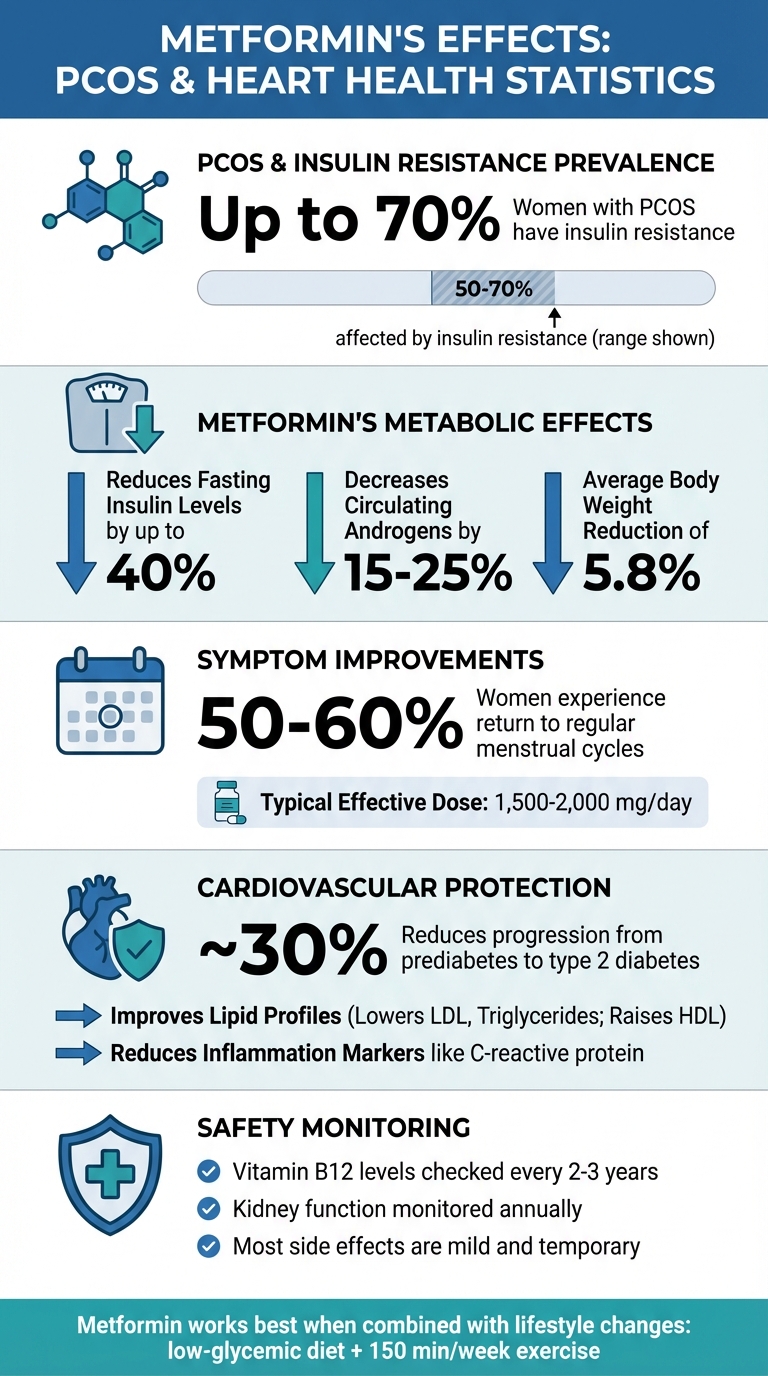
Metformin Benefits for PCOS: Key Statistics on Insulin Resistance and Heart Health
How Metformin Treats Insulin Resistance in PCOS
How Metformin Works
Metformin plays a key role in managing insulin resistance by activating AMPK, a critical enzyme that helps regulate energy balance. This activation signals the liver to reduce glucose production, boosts glucose uptake in muscles and fat tissue, and limits sugar absorption in the intestines.
The result? Fasting insulin levels can drop by up to 40%, all without causing hypoglycemia. By lowering insulin levels, metformin interrupts the cycle where excess insulin stimulates the ovaries to produce too many androgens. This dual approach - improving how the body responds to insulin while reducing overall insulin levels - tackles the core metabolic issue in PCOS. In turn, this metabolic shift paves the way for hormonal balance.
Effects on PCOS Symptoms and Hormones
Lower insulin levels help reduce ovarian androgen production. Studies reveal that metformin can decrease circulating androgens by 15% to 25% when taken at doses of 1,500–2,000 mg/day. These hormonal changes lead to noticeable symptom relief. For instance, 50% to 60% of women with PCOS experience a return to regular menstrual cycles at these dosages. Additionally, metformin supports ovulation and improves pregnancy rates, particularly in women with anovulatory PCOS who haven’t responded to other treatments.
Metformin also aids in weight loss, with some studies showing an average reduction of 5.8% in body weight. This weight loss further enhances insulin sensitivity. Together, these hormonal and metabolic changes contribute to lowering cardiovascular risks often associated with PCOS.
Research on Metformin for PCOS
The benefits of metformin are well-supported by research. A systematic review of 14 randomized trials found that combining metformin with oral contraceptives led to greater improvements in insulin sensitivity and androgen levels compared to using contraceptives alone. Other studies reinforce metformin's ability to enhance insulin-mediated glucose disposal, which is why it’s often recommended as a first-line treatment for non-obese women with anovulatory PCOS.
Starting metformin at a low dose and gradually increasing it can help maximize its benefits while minimizing gastrointestinal side effects.
Metformin's Effect on Heart Disease Risk in PCOS
Changes in Cholesterol and Lipid Levels
Metformin's benefits go beyond managing blood sugar - it also impacts cardiovascular health by addressing lipid imbalances common in women with PCOS. These individuals often experience dyslipidemia, characterized by high triglycerides, low HDL (the "good" cholesterol), and increased levels of small, dense LDL particles. This combination accelerates plaque buildup in arteries, heightening the risk of heart attacks and strokes.
Metformin helps by improving this lipid profile: it reduces total and LDL cholesterol, lowers triglycerides, and slightly increases HDL levels. By decreasing atherogenic LDL particles and triglycerides, it may slow the development of arterial plaque in both coronary and carotid arteries. These effects are particularly notable in women who are overweight or obese or those with existing lipid abnormalities. The drug's ability to address both glucose and lipid metabolism underscores its potential as a long-term tool for cardiovascular protection.
Preventing Type 2 Diabetes
Women with PCOS face a significantly higher risk of developing type 2 diabetes due to persistent insulin resistance. Large studies on diabetes prevention reveal that metformin can lower the progression from prediabetes to type 2 diabetes by about 30%, with even greater benefits for individuals under 60 or those with higher BMI.
Reducing the risk of type 2 diabetes also lowers future cardiovascular risks. U.S. guidelines recommend metformin for PCOS patients with prediabetes - defined by an HbA1c between 5.7% and 6.4%, impaired fasting glucose, or abnormal oral glucose tolerance test results - as part of a strategy to reduce cardiometabolic risks. In clinical practice, women with PCOS are often screened for glucose abnormalities, and metformin is introduced alongside lifestyle changes when prediabetes or significant insulin resistance is identified. Beyond its role in managing blood sugar, metformin's effects on weight further enhance heart health.
Weight Management and Inflammation Reduction
Metformin can also aid in weight management, typically leading to a modest reduction of about 5%–6% in body weight when combined with lifestyle interventions. By improving insulin sensitivity and lowering fasting insulin levels, metformin helps reduce fat storage and appetite dysregulation, which supports gradual weight loss or prevents additional weight gain.
These weight-related benefits, paired with metformin's ability to reduce low-grade inflammation and improve blood vessel function, contribute to a lower risk of coronary artery disease and stroke over time. Mechanistically, metformin activates AMP-activated protein kinase (AMPK), which helps reduce oxidative stress, decrease pro-inflammatory cytokines, and enhance nitric oxide availability in blood vessels. Research has linked metformin use to lower C-reactive protein (CRP) levels and better markers of endothelial function, suggesting it provides direct vascular benefits beyond just controlling blood sugar. While long-term cardiovascular studies specifically in PCOS are limited, these improvements in inflammation and vascular health mark meaningful steps toward reducing heart attack and stroke risks.
Using Metformin Safely for PCOS in the United States
Who Should Take Metformin
Metformin is most effective for women with PCOS who show signs of insulin resistance or metabolic risks. Lab results such as elevated fasting insulin, impaired fasting glucose, abnormal oral glucose tolerance, or an A1C between 5.7% and 6.4% are key indicators. It’s particularly helpful for those with metabolic syndrome traits like a larger waist circumference, high triglycerides, low HDL cholesterol, or elevated blood pressure. Physical signs like central obesity or acanthosis nigricans, along with a family history of type 2 diabetes, also support its use.
On the other hand, women who are lean and metabolically healthy, and whose primary focus is contraception or managing androgen levels, often choose oral contraceptives or anti-androgens instead. Metformin should not be used by individuals with severe kidney issues (eGFR below 30 mL/min/1.73 m²), advanced liver disease, hypoxic conditions, heavy alcohol use, or acute dehydration.
Dosing Options and Formulations
Starting metformin at 500 mg once daily with food and gradually increasing the dose every one to two weeks helps reach an effective range of 1,500–2,000 mg per day. Immediate-release (IR) tablets are typically taken two or three times daily with meals - starting with 500 mg at breakfast and dinner, and adding a lunch dose if needed. Extended-release (ER) tablets, taken once daily with the largest meal, are a more convenient option and often reduce gastrointestinal side effects.
To minimize digestive discomfort, a "start low, go slow" approach is recommended. Taking metformin with food and steering clear of heavy, high-fat meals during the early stages of treatment can help reduce nausea and diarrhea. If side effects occur after increasing the dose, stepping back to the previous well-tolerated dose for a week or two before trying a smaller increase can make it easier to reach the target dosage. ER formulations are designed to lower peak drug concentrations in the gut, which typically leads to fewer gastrointestinal issues for most women.
For those who struggle with oral formulations, Oana Health offers alternative options like Oral Metformin ER starting at $22/month and Topical Metformin HCL Lotion 20% starting at $43/month.
"I discovered Oana's metformin lotion and finally avoided the upset stomach from oral metformin - this alternative helps me stay consistent." - Carrie S. [1]
Once the right dose is established, regular monitoring helps ensure metformin is used safely.
Monitoring and Safety Guidelines
Monitoring is essential to ensure metformin’s safe use over time. Before starting treatment, doctors typically check kidney function through serum creatinine and eGFR tests to confirm the medication is safe. Additional baseline tests, such as liver function, fasting glucose, hemoglobin A1C, and a fasting lipid panel, help track metabolic changes and improvements.
After starting metformin, kidney function is usually rechecked annually for healthy young women, and every three to six months for those with borderline eGFR or other kidney risks. Long-term use of metformin can reduce vitamin B12 absorption, so testing B12 levels every 2–3 years - or sooner if symptoms like fatigue, numbness, or memory issues arise - is advised. If a deficiency occurs, it can be managed with oral B12 supplements or injections while continuing metformin.
The most common side effects are gastrointestinal, including nausea, bloating, diarrhea, a metallic taste, or mild cramping, especially during the first few weeks or after dose adjustments. These symptoms usually improve with time or dose modifications. However, women should seek immediate care if they experience signs of lactic acidosis, a rare but serious condition. Symptoms include rapid breathing, severe fatigue, muscle pain, unusual sleepiness, abdominal pain, vomiting, or feeling extremely cold or dizzy.
Metformin should be paused before major surgeries or procedures involving iodinated contrast dye, as well as during illnesses that cause vomiting, diarrhea, or severe dehydration, to lower the risk of lactic acidosis. Telehealth services like Oana Health can assist with lab orders and ongoing monitoring, making it easier for women without convenient access to in-person care to safely manage their treatment.
sbb-itb-6dba428
Combining Metformin with Other PCOS Treatments
Lifestyle Changes That Support Metformin
Metformin is most effective when paired with lifestyle adjustments. Taking 1,500–2,000 mg of metformin daily, along with changes in diet and regular exercise, can significantly boost insulin sensitivity compared to using either approach on its own. Women who incorporate a balanced diet and consistent physical activity into their routine often see improvements like restored menstrual cycles and reduced cardiovascular risks.
A low-glycemic index diet - focused on limiting refined carbs and added sugars - enhances the insulin-sensitizing effects of metformin by stabilizing blood sugar levels and improving how the body uses glucose. Pairing this dietary approach with at least 150 minutes of moderate aerobic exercise each week, such as brisk walking, cycling, or swimming, along with two or more days of resistance training, creates a strong combination. Even modest weight loss, around 5–10% of body weight, achieved through calorie-conscious eating and metformin, can lead to better ovulation, improved metabolic markers, and reduced long-term heart disease risks. These lifestyle changes are a cornerstone of any treatment plan, enhancing the effectiveness of metformin when combined with other therapies.
Metformin in a Complete PCOS Treatment Plan
PCOS affects various systems in the body, so a well-rounded treatment plan often includes metformin alongside other therapies. For women dealing with hirsutism and acne in addition to insulin resistance, combining metformin with anti-androgens like spironolactone can address both the underlying causes and visible symptoms. Metformin improves insulin sensitivity and reduces serum androgen levels, while spironolactone blocks androgen receptors, leading to greater symptom relief when used together.
Adding combined oral contraceptives (COCs) to metformin can further improve menstrual cycle regulation and reduce acne or hirsutism. Metformin may also counteract some of the metabolic side effects associated with COCs. A review of 14 randomized trials found that combining metformin with COCs resulted in greater reductions in androgen levels and improved insulin sensitivity compared to using COCs alone. For women trying to conceive, metformin can be paired with ovulation-induction medications like clomiphene citrate or letrozole. This combination is particularly helpful for women with clomiphene resistance or significant insulin resistance, leading to higher ovulation and pregnancy rates.
By addressing both hormonal and metabolic imbalances, these combined treatments highlight metformin's role in lowering cardiovascular risks associated with PCOS. Additionally, mental health care - including therapy, stress management, and cognitive behavioral techniques - is an essential part of a comprehensive treatment plan. Tackling mental health concerns alongside physical symptoms can improve adherence to treatment and enhance overall well-being.
Accessing PCOS Care Through Telehealth
Telehealth has revolutionized access to PCOS care, making it easier for women across the U.S. to receive personalized, multidisciplinary treatment without needing in-person visits. Platforms like Oana Health offer streamlined services, coordinating metformin prescriptions with treatments for various PCOS symptoms, including unwanted facial hair, acne, hair loss, weight management, and mental health support. Licensed medical professionals prescribe treatments, which are then delivered directly to patients' homes with free shipping.
Through a quick online consultation, women can share their medical history and receive customized plans targeting insulin resistance and cardiovascular health. Oana Health offers multiple metformin formulations, such as oral and topical options, along with combination therapies tailored to individual needs [1].
With 24/7 access, automatic refills, and continuous support, telehealth services like Oana Health help women stay on top of regular lab monitoring - such as kidney function, vitamin B12 levels, and metabolic markers - while adjusting prescriptions as needed. They also provide guidance on lifestyle changes and mental health, ensuring an integrated approach to managing PCOS and reducing long-term cardiovascular risks.
"Thanks to Oana, my menstrual cycles are more regular, and my skin has never looked better! I also love the 24/7 accessibility and customer service that always goes the extra mile." - Margaret K. [1]
Metformin and Polycystic Ovary Syndrome
Conclusion: Metformin for PCOS and Heart Health
Metformin has become a key treatment option for women with PCOS who struggle with insulin resistance - a condition that affects an estimated 50–70% of those diagnosed. By reducing glucose production in the liver and improving how cells respond to insulin, metformin tackles one of the primary metabolic challenges of PCOS. When taken at typical doses of 1,500–2,000 mg daily, it helps regulate menstrual cycles in about 50–60% of patients and lowers androgen levels by 15–25%, leading to more regular cycles and better hormonal balance.
But the benefits of metformin go far beyond reproductive health. It plays an important role in long-term cardiovascular protection by addressing issues like metabolic syndrome, abnormal cholesterol levels, high blood pressure, and the risk of progressing to type 2 diabetes. Its impact on glucose and lipid metabolism, modest weight management, and inflammation reduction make it a valuable long-term tool. However, stopping metformin can cause insulin levels to spike again, worsening symptoms and increasing cardiometabolic risks.
For most women, metformin is safe when kidney function is monitored, and the dose is adjusted appropriately. While gastrointestinal side effects are common, they are usually temporary and manageable. Serious complications are rare, and the risk of hypoglycemia is minimal when metformin is used on its own.
Access to evidence-based care is crucial. For women in the U.S., telehealth platforms like Oana Health provide an easy and effective way to manage PCOS. Through a simple online consultation, licensed professionals can evaluate your cardiovascular and diabetes risks, prescribe metformin (including extended-release and topical options), arrange lab tests, and adjust treatment based on your symptoms and test results - all without requiring in-person visits. With medications delivered directly to your door, Oana Health bridges the gap between convenience and comprehensive care, addressing both reproductive and heart-health needs.
Taking proactive steps - like consulting a healthcare provider, getting baseline lab work, and making changes to your diet and exercise routine - can further enhance metformin’s benefits. Whether your goal is to regulate cycles, prepare for pregnancy, or protect your heart health, combining metformin with tailored lifestyle adjustments offers a reliable path forward.
FAQs
How does metformin help improve heart health in women with PCOS?
Metformin plays a role in supporting heart health for women with PCOS by enhancing insulin sensitivity, which can lower the risk of heart-related issues. It helps reduce inflammation, improves how blood vessels function, and manages critical factors like high blood pressure and imbalanced cholesterol levels.
By targeting insulin resistance, metformin not only helps alleviate PCOS symptoms but also contributes to better heart health overall.
What lifestyle changes can help metformin work better for managing PCOS?
To get the most out of metformin when managing PCOS, pairing it with a healthy lifestyle can make a big difference. Start with a balanced diet that emphasizes whole foods, lean proteins, and healthy fats, while cutting back on refined carbs and sugars. This approach helps regulate blood sugar levels and supports overall health.
Incorporating regular exercise is another important step. A combination of aerobic activities and strength training can improve insulin sensitivity and help balance hormones. Beyond diet and exercise, managing stress through yoga, meditation, or deep breathing techniques can further support your body’s efforts.
Don’t overlook the importance of sleep - aim for 7 to 9 hours each night - and work toward maintaining a healthy weight, as this can enhance the effects of metformin and contribute to better overall well-being.
What should I know about the safety and side effects of taking metformin long-term?
Long-term use of metformin is generally safe for most people, but like any medication, it can come with some side effects. The most common ones include nausea, diarrhea, and the possibility of developing a vitamin B12 deficiency over time. In rare cases, it can lead to lactic acidosis, a serious condition that’s more likely to affect those with kidney or liver issues.
To stay on top of these potential risks, regular check-ins with your healthcare provider are key. They can keep an eye on your overall health, adjust your dosage if necessary, and suggest supplements or dietary tweaks to address any deficiencies. Following your doctor’s guidance is the best way to use metformin safely and effectively.