
Omega-3 and Androgens: What Studies Show
Omega-3 fatty acids may help regulate androgen levels, particularly in women with PCOS. Research shows that omega-3s can reduce testosterone levels, improve menstrual cycle regularity, and lower inflammation, which are key in managing PCOS symptoms. Here's what you need to know:
- Key Findings: A study involving 78 women with PCOS found that 3 grams of omega-3 daily for 8 weeks reduced testosterone (p=0.04) and improved menstrual regularity (47.2% vs. 22.9% in the placebo group, p=0.049).
- Mechanisms: Omega-3s enhance insulin sensitivity, reduce inflammation, and balance hormone production, addressing PCOS-related androgen imbalances.
- Sources: EPA and DHA from fatty fish (salmon, sardines) or supplements are more effective than plant-based ALA for hormonal health.
- Men’s Health: Omega-3s, especially DPA, have been linked to higher testosterone levels in men, with effects varying by BMI.
While omega-3s show promise for hormonal regulation, results vary based on individual factors like weight, metabolic health, and dosage. More long-term research is needed to confirm these benefits across diverse groups. Supplements or dietary changes can be tailored to your specific needs for the best outcomes.
Omega-3 Fatty Acids and Hormonal Regulation
What Are Omega-3 Fatty Acids?
Omega-3 fatty acids are a type of polyunsaturated fat that your body needs but cannot produce on its own. These fats come in three main forms, each with unique properties and sources:
- EPA (eicosapentaenoic acid) and DHA (docosahexaenoic acid): These long-chain omega-3s are primarily found in marine sources like salmon, mackerel, and sardines. They’re also available in fish oil and algae-based supplements, which are great options for those following a plant-based diet.
- ALA (alpha-linolenic acid): This shorter-chain omega-3 is found in plant-based foods such as flaxseeds, chia seeds, walnuts, and certain vegetable oils. However, your body needs to convert ALA into EPA and DHA for it to support hormonal functions - a process that’s not very efficient.
Omega-3s are precursors to eicosanoids, molecules that regulate inflammation and influence hormone production. Research shows that EPA and DHA are more effective for hormonal regulation compared to ALA. This is why studies focusing on conditions like PCOS often emphasize marine-based omega-3s.
Interestingly, another marine omega-3, docosapentaenoic acid (DPA), has been linked to hormone levels. A study analyzing data from 8,686 men (National Health and Nutrition Examination Survey, 2011-2016 and 2021-2023) found a positive association between DPA intake and serum testosterone levels. These findings highlight how specific omega-3s may play distinct roles in hormonal health.
What Are Androgens?
Androgens are a group of sex hormones that include testosterone and androstenedione. While they are often labeled as "male hormones", women also produce androgens, though in smaller amounts. These hormones are vital for maintaining bone strength, muscle mass, and sexual health in both men and women.
In women with PCOS, elevated androgen levels are often the first noticeable symptom. This condition, known as hyperandrogenism, arises when the ovaries produce excessive testosterone and other androgens due to luteinizing hormone (LH) hypersecretion.
High androgen levels can trigger a range of symptoms, including unwanted facial hair (hirsutism), acne that doesn’t respond to typical treatments, male-pattern hair thinning, and irregular menstrual cycles. These symptoms reflect the underlying hormonal imbalance that drives PCOS.
The connection between LH and androgen production is central to PCOS. Chronically high LH levels overstimulate the ovaries, leading to excessive testosterone production through specific enzymatic pathways. Breaking this cycle requires addressing the root causes of androgen overproduction.
How Omega-3s May Affect Hormone Balance
Omega-3 fatty acids help regulate hormone levels through several interconnected mechanisms. One key pathway involves their impact on LH secretion. In PCOS, excessive LH stimulates the ovaries to produce more androgens. Omega-3s may help by reducing inflammation and improving insulin sensitivity, both of which influence LH signaling in PCOS.
By improving insulin receptor function, omega-3s can lower insulin levels in the blood. This reduces ovarian and adrenal androgen production by limiting the activation of enzymes involved in these processes. This effect is particularly beneficial for women with PCOS who are overweight or obese, as they often experience more severe insulin resistance.
Omega-3s also work as powerful anti-inflammatory agents. Chronic inflammation is a hallmark of PCOS and contributes to abnormal LH secretion and increased androgen production. Studies have shown that omega-3 supplementation can significantly reduce inflammatory markers like C-reactive protein and oxidative stress indicators such as malondialdehyde. These combined effects on inflammation and insulin sensitivity can help curb excess androgen production.
Another way omega-3s influence hormones is by altering the balance of n-6 to n-3 polyunsaturated fatty acids (PUFAs) in the body. A higher proportion of n-3 PUFAs has been linked to lower levels of bioavailable testosterone. Research, including a meta-analysis of omega-3 supplementation in women with PCOS, has shown improvements in hormone markers like LH, total testosterone, and sex hormone-binding globulin (SHBG).
Interestingly, the impact of omega-3s on testosterone appears to vary based on body weight and metabolic health. For men with a BMI under 25 kg/m², total omega-3 and ALA intake showed a positive association with testosterone levels. Meanwhile, in men with a BMI of 30 kg/m² or higher, DHA, EPA, and DPA were the omega-3s most strongly linked to higher testosterone levels. This suggests that the type of omega-3 and a person’s metabolic status can influence how these fats affect hormone levels.
What Studies Show About Omega-3 and Androgen Levels
Clinical Study Results
A double-blind, randomized clinical trial involving 78 overweight and obese women with PCOS (average age 26.92 years, average BMI 31.69 kg/m²) revealed that taking 3 grams of omega-3 daily for eight weeks significantly reduced testosterone levels (p=0.04). Additionally, nearly half (47.2%) of the women in the omega-3 group experienced regular menstruation compared to just 22.9% in the placebo group (p=0.049). For women struggling with irregular cycles, this represents a meaningful improvement.
Interestingly, the study noted no significant changes in sex hormone-binding globulin (SHBG) or the free androgen index (FAI) in either group. This suggests that omega-3 supplementation primarily affects total testosterone levels without altering these other markers.
A meta-analysis further supported these findings, showing that omega-3 polyunsaturated fatty acids reduced serum luteinizing hormone (LH) by −1.33 mg/dL (95% CI: −2.63 to −0.04 mg/dL; p=0.04). Since elevated LH levels drive excessive androgen production in PCOS, this reduction addresses a key factor contributing to hormonal imbalance. While these results focus on PCOS, other studies highlight the importance of metabolic health in determining individual responses, emphasizing the value of tailored approaches.
In men, omega-3's impact on hormone levels has also been explored. Data from 8,686 adult males in the National Health and Nutrition Examination Survey (2011–2016 and 2021–2023) showed a positive association between docosapentaenoic acid (DPA), a lesser-known omega-3, and serum testosterone levels. For men with a BMI under 25 kg/m², total omega-3 and alpha-linolenic acid (ALA) were linked to higher testosterone levels. Meanwhile, in men with a BMI of 30 kg/m² or higher, DHA, EPA, and DPA were all positively associated with testosterone.
This BMI-dependent pattern highlights the need for individualized omega-3 supplementation strategies, particularly for managing hormonal imbalances in PCOS. For women with PCOS who are overweight or obese, omega-3 supplementation might offer the most benefit.
Effects on PCOS Hormone Markers
Beyond testosterone and LH, omega-3s show potential for broader endocrine benefits in PCOS. For instance, research using fish oil capsules (about two per day) over 90 days demonstrated a reduction in mean serum LH levels. Another study combining omega-3s with vitamin E for 12 weeks reported improvements in insulin resistance, total and free testosterone levels, and the quantitative insulin sensitivity check index.
Meta-analyses also indicate that omega-3s can improve SHBG levels across multiple studies. Higher SHBG levels reduce the amount of free testosterone circulating in the bloodstream, which may help alleviate symptoms like acne and excessive hair growth. However, this contrasts with individual trials that reported no significant change in SHBG, suggesting that factors like supplementation duration or dosing may play a role in the outcome.
Not all research paints a consistent picture. Some systematic reviews have found that omega-3 supplementation does not significantly affect the overall androgen profile in women with PCOS, though longer-term studies have observed reductions in dehydroepiandrosterone sulfate (DHEA-S) levels. These mixed results underscore the importance of variables like dosage, treatment length, and individual metabolic differences in determining who benefits most from omega-3 supplementation.
Inflammation and Oxidative Stress Reduction
Omega-3s are well-known for their ability to reduce inflammation and oxidative stress - two factors that can worsen hormonal imbalances in PCOS. A meta-analysis revealed that omega-3 supplementation lowered C-reactive protein (CRP), a marker of systemic inflammation, and malondialdehyde (MDA), an indicator of oxidative stress. At the same time, omega-3s boosted total antioxidant capacity (TAC), enhancing the body’s natural defenses.
Chronic inflammation and oxidative stress often create a vicious cycle in PCOS by worsening insulin resistance. Elevated insulin levels then stimulate the ovaries and adrenal glands to produce more androgens. Additionally, inflammation can interfere with the normal regulatory signaling for LH secretion, further driving androgen overproduction. Addressing these underlying issues with omega-3 supplementation could be a key step in breaking this cycle.
Factors That Affect Omega-3 Effectiveness
The way omega-3s impact your body isn’t the same for everyone. Factors like body weight, metabolic health, and how you consume omega-3s - through food or supplements - can all play a role in their influence on hormonal levels. For instance, their effectiveness in regulating androgens often depends on individual metabolic conditions.
Body Weight and Metabolic Health
Your metabolic health can significantly shape how omega-3s affect hormones. Research involving overweight and obese women with PCOS (polycystic ovary syndrome) has shown that taking 3 grams of omega-3 daily for 8 weeks can lead to a reduction in testosterone levels. This is particularly relevant because, in women with PCOS, insulin resistance can trigger enzymes in the ovaries and adrenal glands that increase androgen production. Omega-3s help by improving insulin sensitivity, which in turn can lower androgen synthesis.
A large study of 8,686 adult men from the National Health and Nutrition Examination Survey revealed that the relationship between omega-3s and testosterone levels varies based on BMI. For men with a BMI under 25 kg/m², total omega-3 intake and ALA (alpha-linolenic acid) were linked to higher testosterone levels. On the other hand, in men with a BMI of 30 kg/m² or more, DHA, EPA, and DPA (docosapentaenoic acid) were positively associated with testosterone levels. These findings emphasize the importance of tailoring omega-3 intake to individual metabolic needs. For women with PCOS who are overweight or obese, omega-3 supplementation might be especially effective, as it addresses underlying metabolic challenges.
Further supporting this, combining omega-3 with vitamin E for 12 weeks has been shown to improve insulin resistance and lower both total and free testosterone levels in women with PCOS. Another 12-week study found that omega-3 supplementation significantly increased plasma adiponectin levels, a hormone that boosts insulin sensitivity, in women with PCOS.
Additionally, abdominal fat - a common issue in PCOS - can lead to chronic inflammation, which worsens hormonal imbalances. By reducing inflammation, omega-3s may help improve hormonal health even further.
Food Sources vs. Supplements
When it comes to omega-3 intake, there’s a clear difference between whole foods and supplements. Whole foods like fish, flaxseed, and walnuts vary in omega-3 content, while supplements provide a consistent, concentrated dose. Clinical studies often use a standardized dose of 3 grams per day in capsule form to ensure precise measurements and outcomes.
Supplements are particularly effective for delivering EPA and DHA - the long-chain omega-3 fatty acids most closely linked to hormonal benefits. Plant-based sources, such as chia seeds and flaxseed, contain ALA, which the body must convert into EPA and DHA. Unfortunately, this conversion process is not very efficient, making it harder to achieve the same benefits through plant-based omega-3s alone.
This distinction is important because studies have shown that long-chain omega-3s can reduce plasma bioavailable testosterone concentrations. Future research is needed to explore the specific effects of DHA and EPA on androgen levels, but the existing data already highlights their unique advantages.
Another key factor is the balance of omega-6 to omega-3 fatty acids in your diet. High levels of omega-6 and an unfavorable omega-6 to omega-3 ratio have been linked to increased androgen levels. If you rely solely on food sources for omega-3s, you may need to both increase omega-3–rich foods and cut back on omega-6 intake to achieve a better balance. Supplements, however, allow you to reach therapeutic levels of omega-3s without making dramatic changes to your diet.
While whole foods offer additional nutritional benefits, such as vitamin D, selenium, and high-quality protein, combining them with supplements can help ensure you consistently get an optimal dose of omega-3s. Supplements, with their direct and measurable impact on hormonal markers, may provide a more reliable way to achieve hormonal balance. This highlights the importance of a personalized approach when deciding how to incorporate omega-3s into your routine.
sbb-itb-6dba428
How to Add Omega-3s to Your Diet
Getting enough omega-3s is key for hormonal balance, and you can achieve this through whole foods or supplements. Let’s dive into how specific choices can help you boost your omega-3 intake effectively.
Foods High in Omega-3s
Fatty fish is one of the best sources of EPA and DHA, the omega-3s most closely tied to hormonal health. For example, a 3-ounce serving of salmon packs around 1,500–2,000 mg of omega-3s, making it a top choice. Other great options include mackerel, sardines, trout, and herring. Aim for 2–3 servings of fatty fish per week, with each serving being about 3–4 ounces. Even frozen fish retains its nutritional benefits, so it’s a convenient option.
For plant-based omega-3s, you’ll find ALA in foods like walnuts, which provide roughly 2,500 mg of ALA per 1-ounce serving (about a small handful). Ground flaxseeds offer around 1,600 mg of ALA per tablespoon, while flaxseed oil delivers a concentrated 7,000 mg per tablespoon. Chia seeds are another excellent source, with about 5,000 mg of ALA per ounce (roughly 2 tablespoons).
Adding these to your meals is simple. Sprinkle flaxseeds or chia seeds into smoothies, yogurt, or oatmeal, or toss walnuts into salads. Pair these foods with healthy fats like avocados or olive oil to enhance absorption. Including antioxidant-rich foods, such as berries and leafy greens, can also help protect omega-3s from breaking down in your body.
If you have PCOS, fish-based omega-3s tend to offer more direct hormonal benefits than plant-based sources. However, combining both ensures a wider range of nutrients while working toward optimal omega-3 levels.
Selecting an Omega-3 Supplement
When food alone doesn’t meet your omega-3 needs, supplements can fill the gap. Fish oil capsules typically provide 300–1,000 mg of EPA and DHA. For PCOS, studies suggest aiming for 1,000–2,000 mg of combined EPA and DHA daily, with some research using up to 3 grams per day to show improvements in testosterone levels and menstrual cycles.
Check supplement labels carefully to ensure they specify the amounts of EPA and DHA, not just the total omega-3 content. For PCOS-related benefits, fish oil-based supplements are often the most effective. If you prefer a plant-based option, algae-based supplements are a great source of DHA.
Quality matters. Look for third-party certifications from organizations like NSF International, USP, or ConsumerLab to ensure the product is free from contaminants like mercury or PCBs. Ideally, choose supplements that have been molecularly distilled for purity.
Omega-3 supplements come in several forms. Triglyceride form (natural fish oil) is well-absorbed, while phospholipid form (from krill oil) and ethyl ester form (concentrated fish oil) are other options. If you experience a fishy aftertaste, try enteric-coated capsules, which dissolve in the small intestine rather than the stomach. Store supplements in dark bottles in a cool place to prevent oxidation, and take them with meals that include dietary fat to improve absorption.
Start with a low dose and gradually increase it to avoid side effects like mild nausea or loose stools. If you’re taking blood-thinning medications like warfarin, consult your doctor before starting omega-3 supplements due to their mild blood-thinning effects.
Consistency is key. Research shows that daily supplementation over at least eight weeks is necessary to see hormonal benefits. Splitting your dose across meals can also improve absorption and minimize any digestive discomfort.
For those managing PCOS, reducing omega-6 intake while increasing omega-3s can help balance hormones. Omega-6 fatty acids, commonly found in processed foods, can compete with omega-3s, reducing their effectiveness. By cutting back on processed foods and focusing on omega-3-rich choices, you can create a better balance for hormonal health.
Research Gaps and Future Studies
To fully understand the potential hormonal benefits of omega-3 fatty acids, we need to tackle some key research limitations. While current studies hint at promising connections between omega-3s and androgen levels, there are still gaps that need filling.
Current Study Limitations
A lot of the research on omega-3 and androgen levels faces some common challenges. For instance, many studies are short-term, often lasting only about eight weeks, and involve small groups of participants. Take one trial as an example: it included 78 overweight and obese women with PCOS and found that omega-3 supplementation reduced testosterone levels and improved menstrual regularity over eight weeks. While encouraging, such a short timeframe doesn’t tell us if these benefits stick around in the long run.
Another issue is inconsistent methods for measuring hormonal changes. Some studies focus on total testosterone, while others look at markers like the free androgen index (FAI), sex hormone–binding globulin (SHBG), or dehydroepiandrosterone sulfate (DHEAS). In the previously mentioned trial, researchers noted a drop in testosterone but didn’t see significant changes in SHBG or FAI, which complicates the overall picture.
Most studies zero in on overweight and obese women with PCOS, leaving out other groups like men, adolescents, postmenopausal women, or individuals from different ethnic backgrounds. For example, a study based on NHANES data involving 8,686 men found links between certain omega-3 types and testosterone levels, but only in specific BMI categories.
Finally, many studies rely on cross-sectional designs, which can identify associations but don’t prove cause and effect. So, while observational research suggests a connection between omega-3 intake and androgen levels, it doesn’t confirm that omega-3 directly drives hormonal changes.
Addressing these limitations is crucial for painting a clearer picture of how omega-3s influence hormone regulation.
Areas for Future Research
Future research needs to tackle several important questions to close these gaps.
Longer studies are a must. Trials lasting six months to two years could reveal whether early improvements in testosterone levels and menstrual regularity are sustained. These extended studies could also explore additional hormonal changes, potential delayed side effects, and benefits for metabolic health, insulin sensitivity, and cardiovascular risk over time.
Mechanistic research should dig into how omega-3 fatty acids influence androgen production. For instance, while a 2025 meta-analysis found that omega-3 supplementation reduced luteinizing hormone by 1.33 mg/dL, the exact biochemical pathways remain unclear. Future studies should investigate whether omega-3’s anti-inflammatory and antioxidant properties play a direct or indirect role in androgen synthesis.
Comparative studies are another priority. Most current research uses omega-3 supplements, but we need trials comparing these with dietary sources like fatty fish, flaxseeds, or walnuts. Randomized controlled trials could help determine whether whole foods or supplements are more effective - and why.
Individual variation in how people respond to omega-3 is another area worth exploring. Factors like genetics, baseline omega-6 to omega-3 ratios, and gut microbiome composition might influence outcomes. Understanding these differences could help identify who benefits the most from supplementation.
Lastly, research should expand beyond PCOS patients. Including healthy individuals, men with varying metabolic profiles, and people with other androgen-related conditions (like hirsutism or acne) would give us a broader understanding of omega-3’s effects across diverse groups.
It’s also important to investigate long-term clinical outcomes. Studies should examine whether sustained omega-3 supplementation improves fertility, ovulation patterns, and other clinical symptoms over time. Additionally, potential benefits for cardiovascular and mental health deserve attention.
Until these gaps are addressed, the evidence supporting omega-3 for androgen management remains promising but incomplete. Rigorous, long-term studies across broader populations are essential to confirm its full potential.
Conclusion
Research indicates that omega-3 supplements may play a role in managing androgen levels, especially for women dealing with PCOS. Studies show that daily omega-3 supplementation can help lower testosterone levels and improve menstrual cycle regularity in women with PCOS.
However, the effects of omega-3s can vary depending on individual factors like body weight, metabolic health, baseline hormone levels, and the type of omega-3 consumed. For instance, a large study involving 8,686 participants found that the relationship between omega-3 and testosterone levels differed across BMI categories. This highlights how your unique metabolic profile can influence the outcomes of supplementation.
Beyond hormonal regulation, omega-3s also help reduce inflammation, combat oxidative stress, and support insulin metabolism and heart health. These benefits make omega-3s a promising addition to a broader approach for managing PCOS symptoms.
To get the most out of omega-3 supplements, it’s best to incorporate them into a personalized treatment plan. Consulting a healthcare provider ensures that your plan is tailored to your hormonal needs, metabolic health, and personal goals, giving you a safer and more effective path forward than relying on unverified advice online.
How Oana Health Can Help
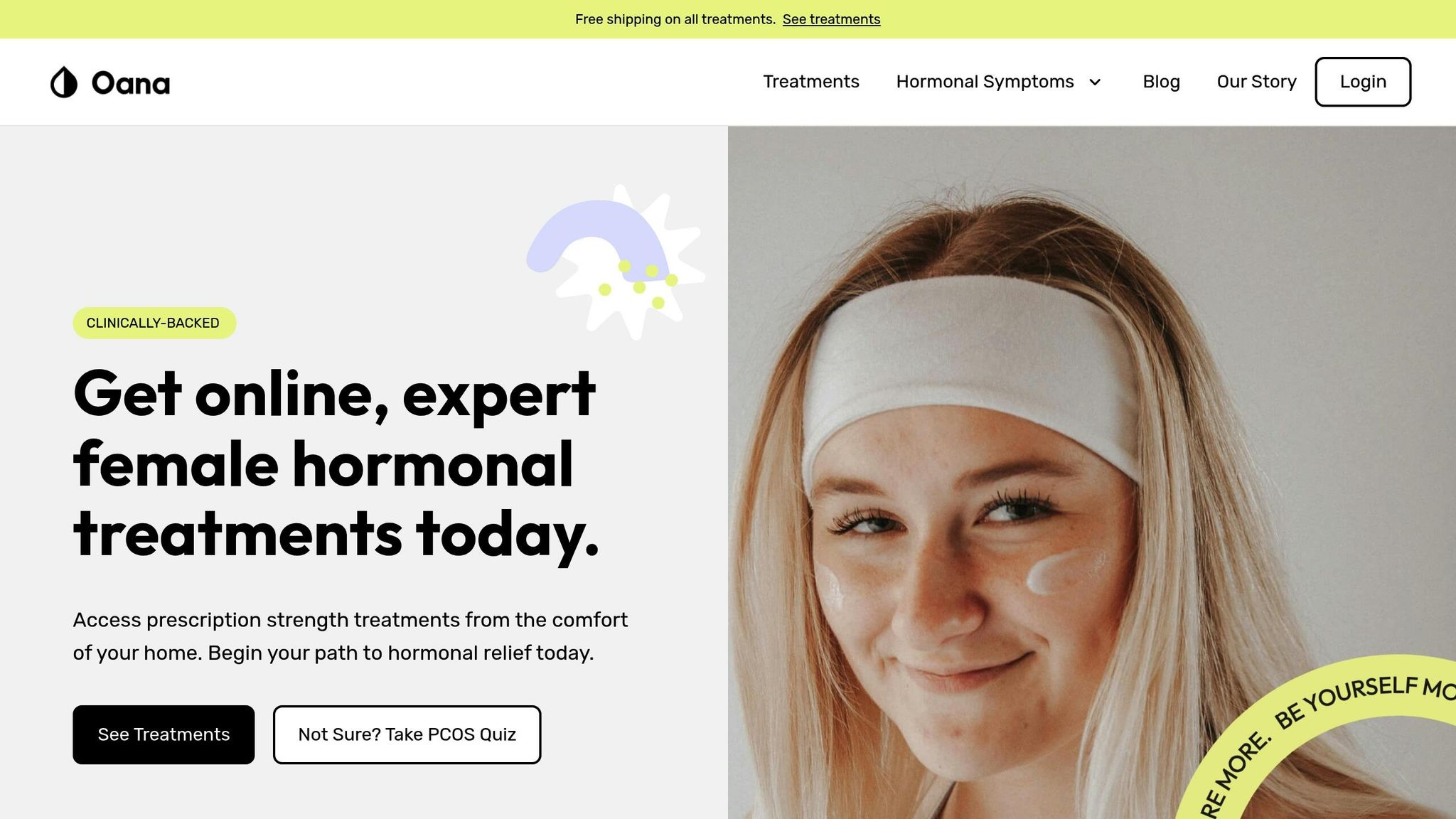
When it comes to managing PCOS symptoms, a personalized approach is key - and that’s exactly what Oana Health offers. If you’re dealing with hormonal imbalances, unwanted facial hair, hair loss, acne, or other androgen-related issues, Oana Health provides telehealth services designed to address your needs with evidence-based, prescription treatments delivered straight to your door.
Their licensed medical professionals craft treatment plans that align with your medical history and health goals, sparing you the hassle of in-person visits or the risks of untested supplements. Oana Health offers treatments like Spironolactone for unwanted hair starting at $14/month, Oral Minoxidil for hair loss at $25/month, and combination options like Metformin & Spironolactone for $32/month to support hormonal balance.
All prescriptions are filled by FDA-regulated pharmacies and include free shipping. Whether you’re considering omega-3 supplementation or exploring other treatment options for PCOS, Oana Health’s team can help you create a comprehensive plan tailored to your specific needs.
FAQs
Can omega-3 fatty acids help regulate androgen levels in women with PCOS?
Recent research points to omega-3 fatty acids as a potential aid in managing androgen levels in women with PCOS. Found in foods like fish oil, flaxseeds, and walnuts, these healthy fats are celebrated for their anti-inflammatory effects and their role in promoting hormonal balance. Studies suggest that omega-3s could help lower elevated androgen levels, which are often linked to common PCOS symptoms such as acne, excess facial hair, and irregular menstrual cycles.
Though the exact processes behind this effect are still under investigation, adding omega-3-rich foods or supplements to your diet might be a helpful step in addressing PCOS symptoms. However, it’s crucial to talk with a healthcare provider to figure out the best plan tailored to your specific needs.
How can omega-3 fatty acids help manage PCOS symptoms, and what are the best ways to include them in my diet?
Omega-3 fatty acids can play a role in promoting hormonal balance and easing some of the challenges tied to PCOS, including inflammation, insulin resistance, and irregular menstrual cycles. Research indicates that omega-3s might also help regulate androgen levels, which are often higher in those with PCOS.
To add more omega-3s to your meals, include fatty fish like salmon, mackerel, and sardines. If you’re looking for plant-based alternatives, flaxseeds, chia seeds, and walnuts are excellent choices. Struggling to make these dietary shifts? Omega-3 supplements can be a helpful option, but it’s important to check with your healthcare provider before introducing any new supplements into your routine.
How do omega-3 fatty acids affect hormone levels in men and women differently?
Research indicates that omega-3 fatty acids can impact hormone levels, though their effects might differ between men and women. For women, particularly those dealing with conditions like PCOS, omega-3s may play a role in managing androgen levels. These hormones are often associated with symptoms like acne, hair thinning, and excessive facial hair. In men, omega-3s have been explored for their potential to support testosterone levels and promote overall hormonal balance.
Although further studies are needed to clarify these gender-specific effects, omega-3s are well-known for their anti-inflammatory benefits, which can positively influence hormonal health in both men and women. It’s always a good idea to consult a healthcare provider to see if omega-3 supplements align with your personal health needs.