
How PCOS Impacts Mental Health and Mood
PCOS affects millions of women in the U.S., with up to 70% of cases undiagnosed. Beyond physical symptoms like irregular cycles, excess hair, and acne, PCOS significantly impacts mental health. Women with PCOS are more than twice as likely to experience depression and six times more likely to face anxiety. The condition's hormonal imbalances, insulin resistance, and inflammation disrupt brain chemistry, leading to mood swings, irritability, and fatigue. Visible symptoms like weight gain and acne often harm self-esteem, while infertility adds emotional strain. Treatment options, including hormonal therapies, lifestyle changes, and mental health support, can address both physical and emotional challenges. Integrated care is key to improving overall well-being.
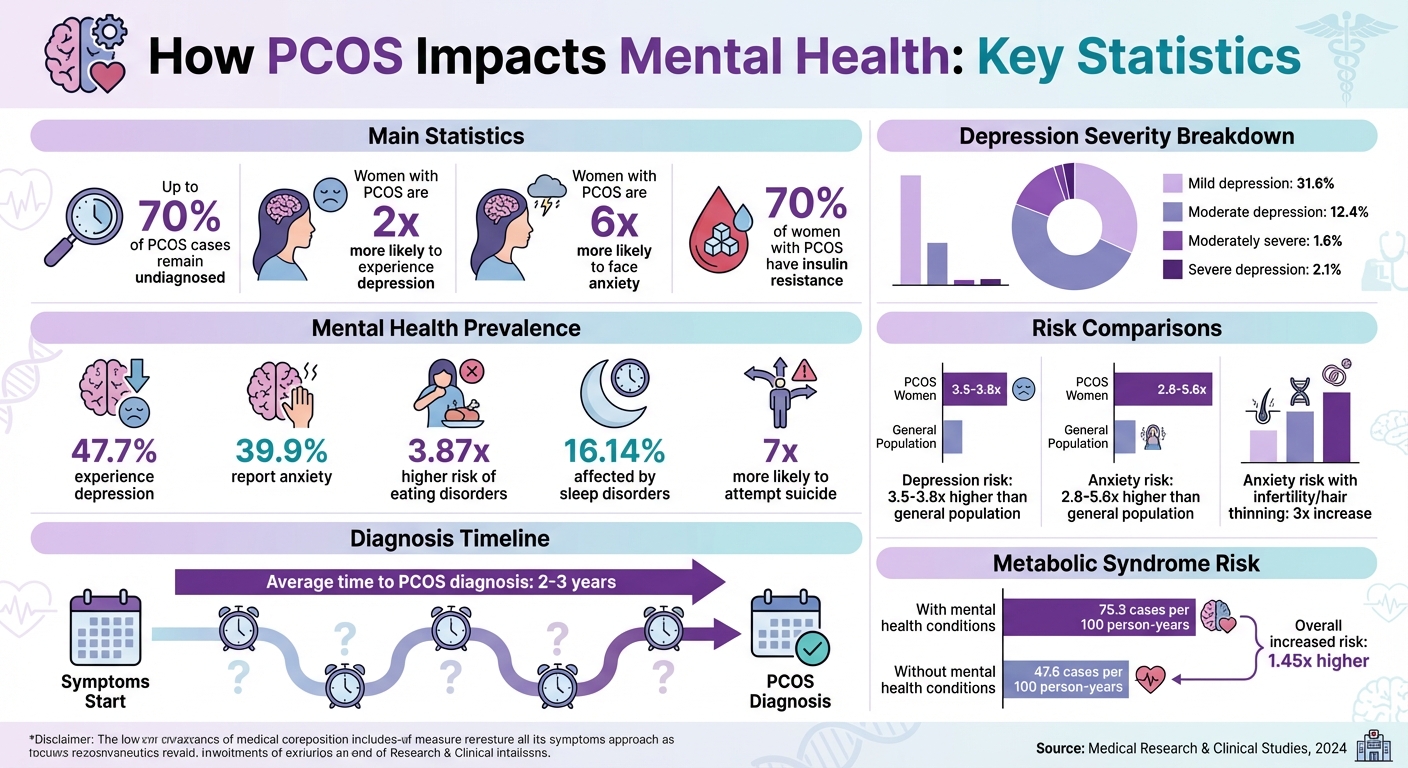
PCOS Mental Health Statistics: Depression, Anxiety, and Risk Factors
How PCOS Affects Mental Health and Mood
Hormonal and Biological Factors
PCOS disrupts the delicate balance of the hypothalamic-pituitary-gonadal axis, leading to significant changes in brain chemistry and mood regulation. This is largely due to imbalances in sex hormones, which affect neurological and immune systems throughout the body.
For instance, elevated androgens like testosterone not only cause physical symptoms but also interfere with brain function. These hormonal shifts disrupt mood regulation centers in the brain, often resulting in irritability and emotional instability. Additionally, insulin resistance - affecting about 70% of women with PCOS - leads to erratic blood sugar levels, which can cause fatigue, brain fog, and sudden mood swings.
The impact on neurotransmitters is especially notable. Women with PCOS often experience reduced levels of serotonin, dopamine, and GABA, while glutamate levels and inflammation markers like C-reactive protein and proinflammatory cytokines (IL-6, TNF-α) are elevated. This combination creates a brain environment that is more prone to anxiety and panic.
"The hormonal and neurotransmitter imbalances in PCOS can trigger significant shifts in mental health, fertility, and overall well-being." - Ovii
Another key factor is progesterone deficiency, which results from irregular ovulation cycles. Progesterone plays a crucial role in regulating neuroactive steroids that influence serotonin and GABA, both of which are essential for emotional stability. Without sufficient progesterone, maintaining a steady mood becomes much harder. Some studies even suggest that women with PCOS may have an exaggerated biological response to everyday stress, making it even more difficult to manage their emotions.
These hormonal and biological disruptions not only affect brain chemistry but also lay the groundwork for deeper emotional and social struggles.
Emotional and Social Challenges
The emotional toll of PCOS extends beyond biochemical imbalances, as the condition’s visible symptoms and societal pressures can have a profound psychological impact. Symptoms like unwanted facial hair, acne, thinning scalp hair, and weight gain - often resistant to typical management strategies - can deeply affect how women perceive themselves and believe others view them.
Many women feel that PCOS diminishes their femininity, leading to body dissatisfaction, low self-esteem, and heightened social anxiety. This isn’t about vanity - it’s a natural psychological response to symptoms that conflict with societal beauty standards. The fear of judgment and embarrassment often result in social withdrawal, which can intensify feelings of isolation and depression.
For women struggling with infertility, the emotional impact is even greater. The grief and loss of control tied to infertility can strain intimate relationships and create marital stress. Studies reveal that infertility and hair thinning alone are linked to more than a threefold increase in anxiety risk. Alarmingly, one study found that women with PCOS are seven times more likely to attempt suicide compared to those without the condition.
The process of getting a diagnosis can also be emotionally draining. On average, it takes 2–3 years for women to receive a PCOS diagnosis, during which time they often endure frustration, anger, and guilt as their symptoms remain unexplained and untreated. This delay can leave many feeling abandoned by the healthcare system, compounding the psychological burden.
"Physical symptoms associated with PCOS, such as weight gain, hirsutism and acne have been shown to cause a reduction in psychosocial well-being and sexual satisfaction." - Steroids Journal
Mental Health Conditions Common in Women with PCOS
Anxiety and Depression
Anxiety and depression are the most frequently reported mental health challenges among women with PCOS, occurring at rates far higher than in the general population. Studies show that women with PCOS are 3.5–3.8 times more likely to experience depression and 2.8–5.6 times more likely to face anxiety compared to those without the condition.
A 2025 study revealed that 47.7% of women with PCOS experienced depression, while 39.9% reported anxiety. Among those with depressive symptoms, 31.6% had mild depression, 12.4% moderate, 1.6% moderately severe, and 2.1% severe depression. These mental health conditions significantly disrupt daily life and well-being.
The emotional toll of managing PCOS symptoms - such as excessive hair growth, acne, and infertility - can intensify these struggles. However, it's not just the symptoms themselves; hormonal imbalances, insulin resistance, and chronic inflammation tied to PCOS may also create an environment in the brain that makes mood disorders more likely.
Other Related Conditions
Beyond anxiety and depression, women with PCOS are at a higher risk of developing other mental health issues. For example, eating disorders are nearly 3.87 times more common in women with PCOS compared to those without the condition. Sleep disorders, including obstructive sleep apnea and excessive daytime sleepiness, affect around 16.14% of women with PCOS.
The overlap of conditions, such as generalized anxiety disorder combined with major depression, can lead to more severe outcomes, including a heightened risk of suicide. Early recognition of these symptoms is critical, as professional care can address both the mental and physical challenges of PCOS.
When to Seek Professional Help
Given the elevated risk of mental health disorders, seeking timely professional help is essential. It's important to distinguish between normal mood changes and more serious issues that interfere with daily life. If you're experiencing persistent sadness or hopelessness, overwhelming worry, severe irritability, hostility, or social withdrawal due to body image concerns, it's time to consider professional support. Chronic sleep issues and fatigue can also signal underlying mental health conditions. Often, women report these physical symptoms to their doctors without realizing they may be linked to a mood disorder.
"In women with PCOS, screening for depressive and anxiety symptoms should be offered at the time of diagnosis and screening for disordered eating should be considered." – Androgen Excess-PCOS Society
Global health guidelines now recommend that all women with PCOS undergo screening for depression and anxiety at the time of diagnosis. If you're noticing any of these warning signs, don’t delay - make mental health care a key part of your PCOS management. For personalized support, telehealth services like Oana Health offer specialized care for women managing PCOS.
Treatment Options for PCOS and Mental Health
Hormonal and Metabolic Treatments
Hormonal treatments can ease PCOS symptoms while also helping to stabilize mood. For instance, oral contraceptives are often used to regulate menstrual cycles and reduce androgen levels. Spironolactone, on the other hand, targets unwanted symptoms like facial hair and acne by blocking androgen effects. Studies suggest that combining oral contraceptives with spironolactone for 12 weeks significantly improves anxiety and depression in women with PCOS.
Metformin is another key player, particularly for addressing insulin resistance - a condition affecting roughly 70% of women with PCOS. Beyond improving insulin sensitivity, metformin’s anti-inflammatory properties may help reduce mood disturbances. Medications like semaglutide, part of the GLP-1 class, enhance insulin sensitivity and support weight management, which can alleviate brain fog and fatigue. Together, these metabolic improvements help reduce mood swings tied to insulin resistance and inflammation.
"Our study provides preliminary evidence that treatment of PCOS may be associated with improvement in psychiatric aspects of the syndrome, particularly depressive symptoms." - Katie M. Douglas, Department of Psychological Medicine, University of Otago
Telehealth platforms such as Oana Health make these treatments more accessible. They connect patients with licensed professionals who can prescribe personalized hormonal and metabolic therapies, shipped directly to your home. If hormonal and metabolic treatments don’t fully address mood issues, psychiatric medications can provide additional support.
Medications for Mental Health
For some, hormonal treatments alone may not be enough to manage mood disorders. In such cases, psychiatric medications like SSRIs or bupropion can help address the chemical imbalances contributing to anxiety and depression. This is especially relevant for women with PCOS, who are more than twice as likely to experience depression (36% compared to 14% in women without PCOS).
It’s important to work with healthcare providers who understand the interplay between PCOS and mental health. For example, tracking your menstrual cycle can reveal whether psychiatric symptoms fluctuate with hormonal changes, allowing your provider to adjust treatment timing accordingly. Oana Health offers bupropion XL (150–300 mg) for $25/month as part of their integrated approach, combining mental health support with hormonal therapies to manage anxiety and stabilize mood.
Lifestyle and Behavioral Changes
Lifestyle changes can play a big role in improving PCOS symptoms and mental health. Regular exercise is particularly effective, and studies show that intermittent aerobic training outperforms both continuous aerobic and resistance training in enhancing quality of life and reducing depressive symptoms. Exercise also boosts insulin sensitivity and releases endorphins, which help combat anxiety and depression.
Diet is another critical factor. A high-fiber diet with minimal refined carbs can stabilize blood sugar levels, reducing the irritability, fatigue, and brain fog linked to insulin resistance. In one 16-week clinical trial, women with PCOS saw a drop in anxiety prevalence from 15.9% to 4.7% by incorporating lifestyle changes like diet, exercise, and behavioral counseling.
Cognitive Behavioral Therapy (CBT) can address the emotional impact of visible PCOS symptoms, such as excessive hair growth or acne, which often lead to feelings of isolation. Additionally, mindfulness-based stress reduction and good sleep hygiene can improve emotional regulation and mental clarity. Research even shows that lifestyle changes can reduce depressive symptoms independently of weight loss - proving that the mental health benefits of exercise and nutrition aren’t solely tied to physical transformations. These approaches help counteract the mood swings and anxiety caused by PCOS-related hormonal and metabolic imbalances.
sbb-itb-6dba428
Coordinated Care for PCOS and Mental Health
Combining Hormonal, Metabolic, and Mental Health Care
For many women with PCOS, managing care can feel like juggling multiple pieces of a puzzle. A gynecologist might address irregular periods, an endocrinologist tackles insulin resistance, and a therapist helps with anxiety. But often, these providers don’t communicate, leaving patients with fragmented care. This siloed system misses a critical point: PCOS symptoms, metabolic issues, and mental health are closely linked.
An integrated approach brings these pieces together. Coordinated care combines gynecological, metabolic, and mental health assessments into one unified plan. Why is this important? Because treating one aspect of PCOS often helps with others. For instance, hormonal therapies not only reduce physical symptoms but can also improve body image, easing social anxiety. Similarly, stabilizing blood sugar through metformin or lifestyle changes can lessen depressive and anxiety symptoms while supporting weight management. Addressing mental health doesn’t just boost emotional well-being - it can also motivate healthier habits, creating a positive cycle that benefits overall outcomes.
"Comprehensive care for the patient with PCOS obligates providers to consider these psychological sequelae in addition to treating the physical manifestations." – Dokras et al., Researchers
This integrated care model is more than just convenient - it’s essential. Women with PCOS who also experience depression or anxiety have a 1.45 times higher risk of developing metabolic syndrome. The numbers speak volumes: 75.3 cases per 100 person-years for those with mental health conditions, compared to 47.6 cases for those without. By addressing hormonal, metabolic, and mental health together, coordinated care can disrupt the cycle where physical symptoms worsen mental health, which in turn hinders effective management of PCOS.
How Telehealth Simplifies Treatment
Telehealth is making this integrated care model more accessible than ever. It brings specialists together, streamlines assessments, and speeds up diagnoses - delivering personalized treatment plans without the hassle of multiple appointments. Oana Health, for example, offers a telehealth-based model that combines hormonal, metabolic, and mental health care into one seamless system.
Through virtual consultations, providers take a comprehensive look at your health, considering everything from menstrual irregularities to metabolic markers and emotional well-being. This allows them to craft a tailored treatment plan, which might include medications like oral metformin ER, spironolactone, or bupropion XL. As your symptoms change, providers can adjust your treatments in real time.
Telehealth’s effectiveness is backed by research. A study by Rogers Behavioral Health, conducted between July 2020 and March 2021, transitioned 1,192 adult patients to telehealth-based intensive programs. The results? No significant differences in symptom reduction or quality of life improvements compared to in-person care. For women managing PCOS and mental health challenges, telehealth eliminates barriers like travel time and cost while offering access to specialized care that targets the root causes of symptoms. By making integrated care more accessible, telehealth supports the holistic approach needed to manage PCOS and its mental health impacts effectively.
Addressing Psychosocial Impacts of Polycystic Ovary Syndrome in Women and Gender Diverse Individuals
Conclusion
PCOS is not just a reproductive or metabolic condition - it profoundly affects mental health as well. The hormonal imbalances, insulin resistance, and physical symptoms like weight gain and excess hair growth often create a cycle where physical and emotional challenges feed into each other. Women with PCOS are known to experience higher rates of depression and anxiety. This interconnected nature of symptoms highlights the importance of an approach that addresses both physical and mental well-being.
Treating PCOS effectively means looking at the whole picture. Combining hormonal treatments, metabolic regulation, and mental health support can disrupt the cycle where physical symptoms worsen emotional struggles. For example, using metformin to stabilize blood sugar levels can help alleviate symptoms like brain fog and irritability. Similarly, addressing visible symptoms like acne or hirsutism can boost self-esteem and ease social anxiety. This integrated approach doesn’t just manage symptoms - it improves overall quality of life. It ties back to the earlier discussions on how deeply PCOS symptoms and mental health are intertwined.
"Effective and comprehensive treatment of women with PCOS must encompass careful attention to psychological symptomatology." – PubMed Abstract
Access to care is another critical piece of the puzzle. Traditional healthcare often fragments treatment, requiring patients to navigate multiple specialists. However, platforms like Oana Health are changing the game by offering coordinated, accessible care in one place. With virtual consultations, providers can evaluate hormonal, metabolic, and mental health needs together, creating personalized treatment plans that tackle the root causes of PCOS. Medications such as oral metformin ER, spironolactone, and bupropion XL are prescribed by licensed professionals and delivered directly to patients with free shipping.
Managing PCOS doesn’t have to feel overwhelming. By addressing both physical and emotional health through coordinated care, the path to wellness becomes much clearer. With the right support and a comprehensive approach, women can find effective solutions without the stress of juggling multiple appointments and fragmented care systems.
FAQs
How does PCOS affect mental health and mood?
PCOS, or polycystic ovary syndrome, doesn’t just affect physical health - it can take a serious toll on mental well-being too. The hormonal imbalances often associated with PCOS, such as elevated androgens and insulin resistance, can interfere with brain chemistry and disrupt mood regulation. On top of that, physical symptoms like acne, unwanted facial hair, weight gain, and irregular periods can lead to body-image struggles and social stress, amplifying emotional challenges.
Studies have found that women with PCOS are more likely to experience anxiety and depression compared to those without the condition. Tackling the underlying issues - like hormonal imbalances and insulin resistance - through tailored treatments can make a big difference in improving both mental and physical health. Oana Health provides telehealth services with prescription-based solutions to help women manage the complex challenges of PCOS with greater ease.
How can lifestyle changes help manage mood swings caused by PCOS?
Lifestyle changes can make a big difference when it comes to managing the mood swings often linked to PCOS. A balanced, low-glycemic diet - filled with whole grains, lean proteins, fiber, and healthy fats - can help keep blood sugar levels steady, which in turn may reduce irritability and anxiety. Combine this with regular physical activity, like brisk walking, cycling, or strength training, and you'll not only improve insulin sensitivity and hormone balance but also enjoy the mood-boosting benefits of endorphins.
Beyond diet and exercise, learning to manage stress is equally important. Practices such as mindfulness, yoga, or sticking to a consistent sleep routine can have a noticeable impact on emotional health. Even small adjustments - like cutting back on caffeine and alcohol or incorporating deep breathing exercises - can go a long way in supporting emotional well-being.
If you're looking for additional guidance, Oana Health provides personalized, science-based treatments and lifestyle coaching tailored to address the unique physical and emotional challenges of PCOS. With their services delivered right to your doorstep, you can take meaningful steps toward better health - all from the comfort of your home.
How does PCOS affect mental health, and why is a comprehensive treatment approach important?
PCOS doesn’t just disrupt hormones - it can take a toll on mental health too. Women with PCOS are at a higher risk of dealing with depression, anxiety, and a lower quality of life compared to those without the condition. Unfortunately, these emotional challenges often go unnoticed by healthcare providers, leaving many women without the support they need.
Addressing PCOS requires more than just tackling physical symptoms. A well-rounded treatment plan that includes endocrinologists, nutritionists, and mental health professionals is key. This team approach ensures that hormonal imbalances, mood struggles, and lifestyle factors are managed together. By connecting these dots, women can break free from the cycle of worsening symptoms and take control of both their physical and mental health.
Telehealth platforms like Oana Health are making it easier than ever to access tailored PCOS treatments. From prescription-based hormone therapy to mental health support, these services bring expert care right to your home. By blending medical knowledge with convenience, they offer women a practical way to manage PCOS and its challenges more effectively.