
Role of Gut Microbiota in Androgenic Alopecia
Androgenic alopecia (AGA), a common form of hair loss, is influenced by genetics and hormones like dihydrotestosterone (DHT). However, recent research highlights a surprising factor: gut bacteria. Studies suggest that imbalances in gut microbiota, or dysbiosis, can affect hair health by disrupting hormone regulation, triggering inflammation, and impairing nutrient absorption.
Key Insights:
- Gut-Skin Axis: The gut and skin communicate through immune and hormonal pathways, impacting hair follicles.
- Gut Dysbiosis: Imbalanced gut bacteria can worsen AGA by promoting inflammation and altering androgen metabolism.
- Nutrient Deficiency: Poor gut health can lead to biotin and zinc deficiencies, essential for hair growth.
- Specific Bacteria: Some bacteria, like Lactobacillus murinus, are linked to hair loss, while others, like Acidaminococcaceae, may protect against it.
- Emerging Treatments: Probiotics, biotin supplements, and prebiotic-rich diets show promise for improving gut health and managing hair loss.
Quick Takeaway:
Focusing on gut health may open new avenues for addressing AGA. Combining probiotics, dietary changes, and hormone-regulating therapies could support hair growth by tackling the root causes of hair loss.
Research Findings: Gut Bacteria's Role in Hair Loss
Specific Bacteria Types Linked to Hair Loss
An in-depth analysis of 211 microbial taxa from the MiBioGen consortium has shed light on the connection between gut bacteria and androgenetic alopecia (AGA).
Certain bacterial groups appear to offer protection against AGA. For instance, the family Acidaminococcaceae and the genera Anaerofilum and Ruminiclostridium 9 are associated with a lower risk of AGA, likely due to their beneficial metabolic functions. On the flip side, an overabundance of Lactobacillus murinus has been linked to a higher risk of AGA, particularly when it contributes to biotin deficiency. These findings have been validated using several analytical methods like Inverse Variance Weighting, Weighted Median, and MR-Egger approaches.
The effects of these microbial imbalances go beyond nutrient levels, also influencing hormone metabolism, which plays a crucial role in hair loss.
Gut Imbalance and Hormone Processing
Gut bacteria have a significant role in processing androgens, including testosterone and dihydrotestosterone (DHT). These hormones are known to cause hair follicle miniaturization in AGA. Specific bacterial groups, such as Actinobacteria and Proteobacteria, are involved in breaking down androgens, which can influence hormone activity throughout the body. When these bacterial populations are out of balance, it can disrupt androgen metabolism, potentially worsening hair loss.
Interestingly, there are sex-specific differences in how gut bacteria process hormones in individuals with AGA. Research shows that men with AGA often exhibit increased steroid hormone biosynthesis, while women with AGA display elevated bile acid biosynthesis pathways, both of which can affect hormone levels and hair health. Additionally, the gut microbiome of individuals with AGA tends to form more intricate microbial networks, with a greater number of unique microbial interactions compared to those without AGA.
Beyond hormonal disruptions, gut imbalances also impact the absorption of vital nutrients needed for healthy hair.
Biotin Deficiency and Hair Health
Gut dysbiosis, or an imbalance in gut bacteria, has been closely tied to biotin deficiency. An overgrowth of Lactobacillus murinus can hinder biotin absorption, and since biotin is essential for maintaining healthy hair, this deficiency can weaken hair follicles and accelerate AGA progression. Poor nutrient absorption due to gut imbalances further exacerbates hair follicle damage.
Interestingly, two reported cases of alopecia universalis - a severe form of hair loss - showed hair regrowth following fecal microbiota transplantation, suggesting that gut-focused interventions may hold promise for improving hair health. While these cases did not specifically involve AGA, they highlight the potential of targeting the gut microbiome to support overall hair health.
The Gut Hair Connection: Functional Strategies for Hair Loss and Alopecia
How Gut Bacteria Affects Hair Follicles
The relationship between gut bacteria and hair follicles highlights the intricate ways digestive health can influence hair growth. These tiny organisms play a key role in supporting the health and function of hair follicles.
Nutrient Absorption and Hair Growth
Gut bacteria are essential for ensuring hair follicles receive the nutrients they need. Certain beneficial bacteria, such as Bifidobacterium and Lactobacillus, can produce biotin in the digestive system, while others help maintain the gut lining, improving nutrient absorption.
When the gut microbiome is balanced, these bacteria help deliver critical nutrients like biotin and zinc to hair follicles. Biotin supports keratin production, the protein that forms the structure of hair, while zinc aids in cellular division and protein synthesis - both of which are critical for healthy hair growth. On the flip side, an overgrowth of certain bacteria can disrupt nutrient absorption, weakening hair follicles. This nutrient supply also ties into the gut's role in controlling inflammation, which is vital for protecting follicle health.
Immune System and Inflammation Control
Gut bacteria also play a role in safeguarding hair follicles by managing the body's immune response. Certain bacteria, such as Faecalibacterium and Coprococcus, produce short-chain fatty acids (SCFAs) that help reduce systemic inflammation.
These SCFAs are crucial for hair health because chronic inflammation can shrink hair follicles and eventually halt hair production. When SCFA-producing bacteria are abundant, they create a supportive environment around the follicles. However, a lack of these beneficial bacteria can lead to heightened inflammation, contributing to the miniaturization of hair follicles often seen in pattern hair loss. Research has linked bacteria like Lachnoclostridium, Butyricoccus, and Coprococcus to better follicle health due to their SCFA production.
Hormone Regulation and Hair Loss
Some gut microbes influence hormones, directly affecting hair follicle health. For example, Clostridium scindens can convert glucocorticoids into androgens, which are known to contribute to androgenic alopecia.
These hormonal changes can weaken hair follicles. In women, elevated bile acid biosynthesis in the gut may also disrupt hormone balance, potentially increasing androgen levels and causing additional damage to hair follicles. As hormone-regulating bacteria multiply, they may amplify these effects, speeding up follicle miniaturization.
Interestingly, studies have found that individuals with androgenic alopecia often have more complex gut microbiomes, with intricate bacterial interactions. This complexity appears to correlate with greater hormonal imbalances, which can directly affect the health of hair follicles.
sbb-itb-6dba428
New Treatments: Probiotics and Gut-Based Therapies
Recent advancements are shedding light on how the gut microbiome influences hair health, offering new ways to address hair loss. By focusing on the relationship between gut bacteria, nutrient absorption, and hormone regulation, researchers are developing therapies that target the gut to promote hair growth. This approach moves beyond traditional scalp treatments, aiming to restore balance from within.
Probiotics and Supplements for Hair Health
Certain probiotic strains, like Bifidobacterium and Lactobacillus, are emerging as potential allies in promoting hair health. These probiotics not only support gut balance but also play a role in neurotransmitter production and hormone regulation, both of which are critical for healthy hair follicles. Unlike conventional treatments that focus on topical solutions, these probiotics create an internal environment that encourages hair growth.
Another promising player is Akkermansia muciniphila, a bacterial strain that has shown the ability to stimulate hair growth and counteract testosterone-related hair loss in studies. Additionally, targeted biotin supplementation can help address deficiencies linked to gut imbalances, offering another avenue to restore hair growth. A Mendelian randomization study involving over 18,000 participants even found a causal connection between gut microbiota composition and the risk of androgenic alopecia, providing strong scientific backing for these approaches.
These findings suggest that gut-focused treatments could play a key role in managing hair loss, offering a fresh perspective on how to tackle this common concern.
Practical Steps for Gut-Based Hair Care
Incorporating gut-health strategies into daily routines can complement probiotic treatments and enhance their effectiveness. The good news? It doesn’t require drastic changes. A diet rich in prebiotics - found in fiber-packed foods like fruits, vegetables, and whole grains - can nourish beneficial gut bacteria. These bacteria produce short-chain fatty acids (SCFAs), which help reduce inflammation around hair follicles and support overall hair health.
Probiotic supplements containing Bifidobacterium and Lactobacillus strains can also help maintain gut balance, especially after antibiotic use or during periods of dietary stress. Meanwhile, avoiding excessive antibiotics and processed foods is crucial, as these can disrupt the gut microbiome and potentially worsen hair loss. For those with suspected biotin deficiencies caused by gut imbalances or long-term antibiotic use, targeted biotin supplementation may help restore normal hair growth patterns.
| Intervention Type | Mechanism | Evidence Level | Key Benefits |
|---|---|---|---|
| Bifidobacterium/ Lactobacillus Probiotics | Hormone regulation, neurotransmitter production | Human studies | Supports gut health and hair growth |
| Akkermansia muciniphila | Counteracts testosterone effects | Animal studies | Stimulates hair growth directly |
| Prebiotic-rich diet | Feeds beneficial bacteria | Observational | Reduces inflammation via SCFA production |
| Biotin supplementation | Corrects deficiencies from gut dysbiosis | Clinical evidence | Promotes normal hair growth patterns |
Given the complex relationship between gut health and hair loss, personalized approaches are likely to yield the best results. Healthcare providers can help tailor a plan that combines probiotics, dietary adjustments, and supplements based on individual gut health and hair loss patterns. This personalized care ensures that the treatment aligns with each person’s unique needs, paving the way for healthier hair from the inside out.
Telehealth Options for Hair Loss and Hormone Issues
Advances in understanding the gut microbiome's influence on androgenic alopecia have paved the way for innovative treatment approaches. Telehealth platforms are now incorporating these insights to offer personalized care for hair loss, connecting cutting-edge research with a more patient-focused experience.
Oana Health's Hair Loss Treatments
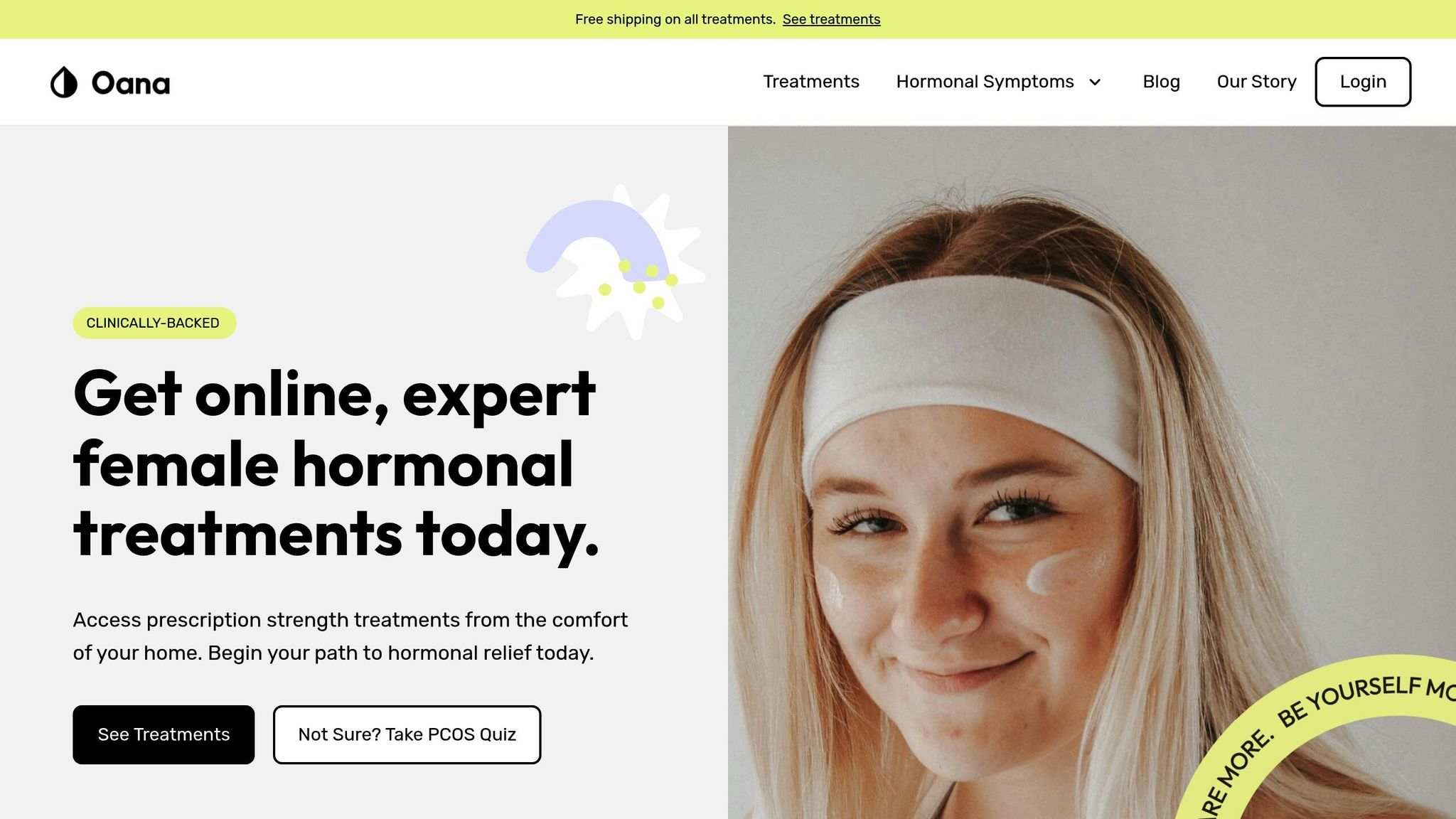
Oana Health provides prescription solutions tailored for androgenic alopecia. Their offerings include:
- Oral Minoxidil: Priced at $25/month, this treatment promotes hair growth.
- Spironolactone: Available at $14/month, it helps regulate hormone levels.
- Hair Plus Plus: At $40/month, this treatment combines multiple active ingredients to address hair loss.
- Metformin & Spironolactone Pack: Designed for PCOS-related hair loss, this $32/month option targets both insulin resistance and elevated androgen levels.
All treatments are prescribed by licensed medical professionals following an online consultation and are shipped directly to patients' homes with free delivery.
Custom Treatment Plans Using Gut Research
Oana Health takes a step further by incorporating gut microbiome data into their treatment plans. Recent studies, including one analyzing over 18,000 participants, have revealed a connection between gut microbiota and androgenic alopecia (AGA), providing a scientific foundation for gut-focused interventions. Specific bacteria like Faecalibacterium and Blautia have been identified as potentially influencing treatment outcomes, with affected individuals showing higher microbial diversity (alpha diversity index of 0.22 versus 0.16 in healthy controls).
By leveraging these findings, Oana Health optimizes therapies for women dealing with AGA and PCOS, aiming to improve results through microbiome-based protocols.
Benefits of Online Hair Loss Care
Oana Health’s telehealth model offers a convenient and cost-effective alternative to traditional clinic visits, especially for women managing androgenic alopecia and hormone-related conditions. Patients can access expert care from the comfort and privacy of their homes, avoiding the need for in-person appointments.
Here’s how Oana Health stands out:
- Affordable Pricing: Treatments range from $14 to $199 per month, making them competitive compared to traditional clinics, which typically cost $50 to $120 per month, excluding travel expenses.
- Convenience: Online consultations take just five minutes, and prescriptions are delivered directly to patients’ homes with free shipping.
- Continuous Support: Oana Health provides 24/7 access to online consultations and automatic prescription refills, ensuring consistent care for chronic conditions like androgenic alopecia.
Patient feedback highlights the platform’s affordability and the convenience of ongoing support, reinforcing the value of telehealth for long-term management.
| Service Feature | Oana Health | Traditional Clinic |
|---|---|---|
| Consultation Method | Online (5 minutes) | In-person visits |
| Prescription Delivery | Free shipping to home | Pharmacy pickup required |
| Pricing Range | $14–$199/month | $50–$120/month + travel |
| Microbiome Integration | Yes, evidence-based | Limited availability |
| Ongoing Support | 24/7 online/phone | Scheduled appointments only |
Conclusion
New research into the connection between gut microbiota and androgenic alopecia (AGA) is reshaping how we understand and approach hair loss. Large-scale studies, involving over 18,000 participants, have gone beyond mere correlation, identifying specific gut bacteria that play a direct role in AGA's development. These findings highlight the biological mechanisms linking gut health to hair loss, offering a more comprehensive perspective on the condition's root causes.
Real-world clinical experiences further emphasize this link, showing that microbiome-focused interventions can sometimes outperform traditional hair loss treatments. By leveraging microbial insights, these therapies aim to regulate hormone levels and improve nutrient absorption, addressing the underlying causes of hair loss instead of just managing its symptoms.
Personalized treatment is becoming increasingly important, as microbiome compositions differ significantly between men and women with AGA. Research into alpha diversity patterns provides valuable direction for tailoring interventions to individual needs. These advancements signal a shift toward more patient-specific care strategies.
Telehealth platforms like Oana Health are already integrating microbiome data into their treatment protocols. By combining gut health research with personalized hormone therapies, these platforms offer patients evidence-based solutions that tackle the root causes of hair loss. This approach reflects the growing potential of microbiome science in transforming hair loss management.
Ongoing clinical trials are delving into targeted probiotics and dietary strategies to refine microbiome-based treatments. The connection between gut health and hair health is clear, and these innovative approaches offer fresh hope for millions of Americans dealing with AGA.
FAQs
What role does gut microbiota play in the development of androgenic alopecia?
Emerging studies indicate that the gut microbiota might play a role in androgenic alopecia, more commonly recognized as male or female pattern hair loss. This connection stems from how gut health influences hormonal balance, inflammation, and nutrient absorption. When gut bacteria become imbalanced - a condition called dysbiosis - it may contribute to issues like excess androgens or chronic inflammation, both of which are associated with hair loss.
Although research in this area is still developing, ongoing clinical trials and microbiome studies are shedding light on the link between gut health and hair growth. Supporting gut health through a balanced diet, probiotics, or other personalized approaches could potentially help in managing androgenic alopecia. However, it’s essential to consult a healthcare professional for advice tailored to your individual needs.
How can probiotics and prebiotics support hair health for individuals experiencing hair loss?
Emerging studies indicate that maintaining a healthy gut microbiome might have a positive impact on hair health, including conditions like androgenic alopecia. A balanced gut can influence hair growth indirectly by enhancing nutrient absorption, reducing inflammation, and supporting hormonal balance.
To help keep your gut in check, consider adding probiotic-rich foods like yogurt, kefir, and fermented vegetables to your meals. Pair these with prebiotic options such as bananas, garlic, and whole grains to nourish the beneficial bacteria in your gut. While this dietary adjustment could be a simple way to support overall health, including potentially aiding hair growth, it’s essential to speak with a healthcare provider before making major dietary changes - especially if you’re dealing with hair loss or other health concerns.
Can improving gut health help reduce hair loss, and what dietary or lifestyle changes might support this?
Emerging research hints at a connection between a healthy gut microbiota and reduced hair loss, including androgenic alopecia. While further studies are necessary to fully understand this link, keeping your gut microbiome balanced might contribute to better hair growth.
To support gut health, try adding more fiber-rich foods - like fruits, vegetables, and whole grains - to your meals. Foods packed with probiotics, such as yogurt, kefir, and fermented vegetables, can also help maintain a diverse and thriving microbiome. Beyond diet, simple habits like staying hydrated, managing stress effectively, and staying active with regular exercise can have a positive impact on your gut health.
If hair loss is a concern, it’s wise to consult a healthcare professional. They can evaluate your specific situation and guide you toward tailored solutions.