
Checklist for Managing Androgen-Driven Skin Flare-Ups
If your skin issues like acne, excess oil, or inflammation persist despite using common treatments, high androgen levels could be the cause. Hormones like testosterone and DHEA increase oil production and slow skin cell turnover, leading to clogged pores and inflammation. This guide provides practical steps to manage androgen-driven skin concerns, covering skincare routines, dietary changes, lifestyle adjustments, and medical treatments.
Key Takeaways:
- Skincare Routine: Use gentle cleansers, non-comedogenic moisturizers, and SPF 30+ sunscreen. Retinoids and salicylic acid can help unclog pores.
- Diet Tips: Focus on low-glycemic foods, omega-3-rich proteins, and avoid dairy and refined carbs.
- Lifestyle: Manage stress, get enough sleep, and maintain regular exercise.
- Medical Options: Consider topical treatments like clascoterone or spironolactone and oral medications like contraceptives or isotretinoin for severe cases.
Hormonal imbalances require targeted solutions. Combining a consistent skincare routine, healthy lifestyle habits, and medical treatments can help you regain control over your skin health.
How Androgens Affect Your Skin
What Androgens Do to Your Skin
Androgens, such as testosterone and DHEA, play a major role in how your skin behaves. These hormones signal your sebaceous glands to ramp up oil production while also slowing down the natural shedding of skin cells. According to Dr. Jacqueline Zuponcic, this combination not only increases oil levels but also reduces skin turnover, creating the perfect storm for clogged pores.
Here’s how it works: excess oil teams up with dead skin cells and bacteria, getting trapped inside hair follicles. This blockage becomes a breeding ground for bacteria, leading to inflammation. The result? Painful cysts or red, irritated bumps. For people with PCOS, where androgen levels are often elevated, these effects are even more pronounced. High androgen levels can also bring about other challenges like unwanted hair growth and thinning hair on the scalp.
Over-the-counter acne treatments often fall short in these situations. Why? They tend to target surface bacteria without addressing the hormonal signals driving oil production. Dr. Zuponcic explains, "This resistance to standard treatment can be a sign that the acne products aren't addressing the root cause, which is hormones".
Understanding how androgens influence your skin is key to tackling these hormonal issues effectively.
Signs of Androgen-Related Skin Problems
Spotting skin issues linked to androgens often comes down to recognizing specific patterns. Unlike the acne common during teenage years, which typically appears on the forehead and nose, hormonal acne tends to show up on the lower part of the face - think chin, jawline, and lower cheeks. This area is sometimes called the U-zone. These breakouts are usually deeper, more inflamed, and can be quite painful, often appearing as cysts.
Other telltale signs include persistently oily skin, even with regular cleansing, and breakouts that flare up around your menstrual cycle. If your acne doesn’t respond to standard treatments, it might also point to a hormonal cause. Beyond acne, you might notice additional symptoms like excess hair growth on the face or chest, thinning hair on the scalp, or dark, velvety patches of skin (known as acanthosis nigricans). These patches can sometimes signal insulin resistance, which is commonly associated with PCOS.
When these signs occur together, it’s a strong indication that androgens could be at the root of your skin concerns. In these cases, addressing the hormonal imbalance directly becomes crucial because surface treatments alone are unlikely to provide lasting relief.
How to manage Hormonal Acne | Dr Davin Lim
Daily Skincare Routine Checklist
Creating a consistent skincare routine, from morning to night, can help manage androgen-driven skin issues and prevent breakouts. The aim? Control excess oil, keep pores clean, and maintain a healthy skin barrier - all while avoiding irritation.
Morning Routine Steps
Kick off your day by washing your face with a gentle, non-abrasive cleanser, using only your fingertips. Skip washcloths or sponges, as they can irritate sensitive skin. Stick to lukewarm water and use soft, circular motions. Once your face is clean and dry, consider applying a non-comedogenic moisturizer if your skin feels dry. Then, finish with a broad-spectrum, water-resistant sunscreen (SPF 30 or higher). Look for labels like "non-comedogenic" or "won't clog pores" to ensure your products won't worsen breakouts.
With your skin prepped for the day, you can focus on a deeper cleanse and treatments in the evening.
Evening Routine Steps
Your nighttime routine is all about repair and treatment. Begin by removing makeup, sunscreen, and the day's buildup with a thorough cleanse. Again, use your fingertips and a mild cleanser. If you've used heavy makeup or sunscreen, try a double cleanse to make sure everything is removed.
After cleansing, wait 10 to 15 minutes before applying any acne medication - this helps minimize irritation. Apply a pea-sized amount of topical retinoid (such as adapalene or tretinoin) to your entire face, not just breakout areas. Retinoids boost cell turnover and help prevent clogged pores, making them a key part of long-term acne care. To offset dryness, follow up with a water-based, non-comedogenic moisturizer. Be patient - consistent use of retinoids typically shows results in four to six weeks.
Now, let’s break down the ingredients that can make or break your skincare routine.
Helpful and Harmful Ingredients
When it comes to hormonal acne, some ingredients stand out. Salicylic acid helps exfoliate dead skin cells and fights bacteria, making it perfect for oily or congested skin. Benzoyl peroxide is another powerhouse, targeting bacteria and reducing excess oil, especially for inflamed acne. For calming inflammation, ingredients like niacinamide and green tea are gentle yet effective. For long-term prevention, retinoids (like adapalene or tretinoin) are essential - they keep pores clear and stop future breakouts before they start.
On the other hand, steer clear of rubbing alcohol, oil-based cosmetics, and heavy creams. Harsh scrubs, toners, and astringents can strip your skin, often making acne worse. Always check product labels for terms like "non-comedogenic", "oil-free", or "won't clog pores". And remember: hands off your face. Picking at pimples can lead to scars and dark spots that are harder to treat.
Diet and Nutrition Checklist
To support your skincare routine, maintaining a balanced diet is key when tackling androgen-driven skin flare-ups. What you eat can significantly impact hormone levels and skin inflammation. For instance, high-glycemic foods can cause insulin and IGF-1 spikes, which increase oil production and clog pores. Studies even show that people who consume milk are 16% more likely to experience acne compared to those who don’t. Making thoughtful food swaps can go a long way in managing these skin conditions.
Foods That Help
- Low-glycemic carbohydrates: Choose options like quinoa, oats, sweet potatoes, and brown rice. These help stabilize blood sugar levels and prevent insulin spikes.
- Omega-3 and fiber-rich proteins: Incorporate fatty fish like salmon and mackerel or plant-based options such as tofu, lentils, and chickpeas.
- Zinc-packed foods: Add pumpkin seeds, shellfish, and nuts to your meals to fight acne-causing bacteria.
- Antioxidant-rich vegetables: Load up on broccoli, kale, spinach, and bell peppers to help reduce inflammation.
- Healthy fats: Include avocados, olive oil, chia seeds, and walnuts for their skin-nourishing properties.
- Green tea: Replace sugary drinks with green tea. Research shows green tea extract can significantly reduce acne lesions.
Foods to Limit
- Refined carbs, sugars, and dairy: These can spike insulin and IGF-1 levels. Instead, try unsweetened almond, cashew, or coconut milk as alternatives.
- Whey protein supplements: These have been linked to breakouts. Opt for plant-based protein powders instead.
- Saturated fats: Cut down on red meat, butter, and fried fast food, as they may worsen inflammation.
- Iodine-rich foods: If you’re sensitive to iodine, moderate your intake of seaweed and iodized salt, as they can trigger flare-ups in some individuals.
- Consistent eating habits: Even a small weight reduction of 5–10% can help improve metabolic and hormonal balance.
sbb-itb-6dba428
Lifestyle and Stress Management Checklist
The choices you make every day can have a big impact on your skin's health. Stress and lack of sleep are two factors you can control, and both can contribute to hormonal acne and worsen breakouts. When you're stressed, your body produces more cortisol, often called the stress hormone, which can lead to increased oil production and disrupt your hormonal balance. As Dr. Kristina Liu and Dr. Janelle Nassim from Harvard Health Publishing succinctly put it:
"Adulthood is stressful enough without breakouts!"
Sleep and Stress Control
Getting enough restful sleep each night is a cornerstone for managing skin issues tied to hormones. When you don’t sleep well, cortisol levels rise, which can fuel inflammation and increase oil production. Before heading to bed, make sure to gently remove your makeup using a non-comedogenic remover to avoid clogging your pores.
Incorporating stress-relief practices like yoga, meditation, or mindfulness into your routine can help lower cortisol levels and stabilize hormones. Lauren Zamborsky from Cleveland Clinic emphasizes:
"Adopting healthy stress management habits can help your skin."
On top of stress and sleep management, regular physical activity can further support hormonal balance and overall skin health.
Exercise Guidelines
Engaging in moderate exercise, such as walking, strength training, or yoga, not only helps balance hormones but also improves blood circulation, which benefits your skin. After working out, cleanse your face promptly with a mild cleanser to remove sweat and oil buildup.
Keep your hair clean and tied back to minimize oil transfer to your face during exercise. Also, don’t forget to apply a non-comedogenic, broad-spectrum sunscreen with SPF 30 or higher when exercising outdoors. This protects your skin from harmful UV rays, which can worsen acne and make treatments less effective.
Medical Treatment Options Checklist
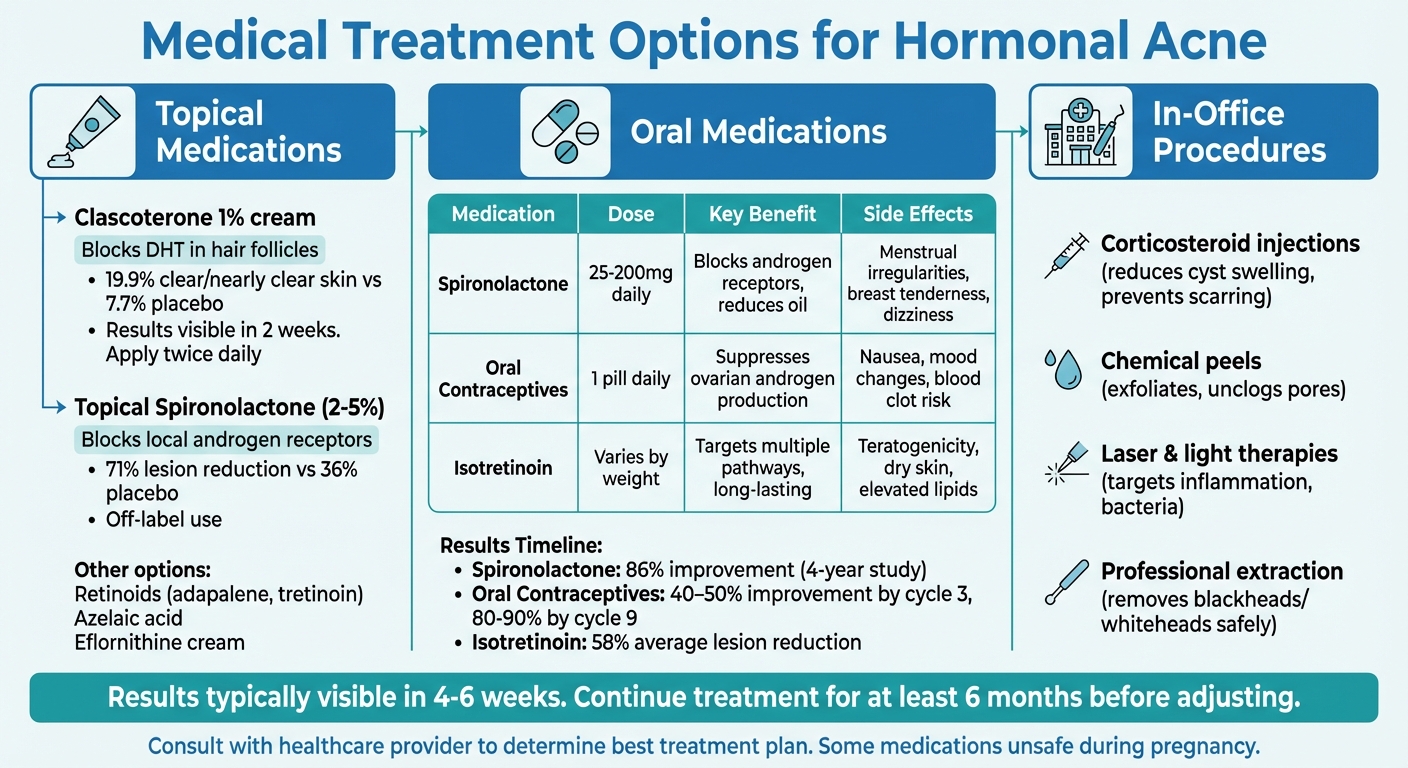
Medical Treatment Options for Androgen-Driven Acne: Medications Comparison Chart
When lifestyle adjustments and over-the-counter remedies fall short in managing androgen-driven breakouts, prescription treatments can step in to provide relief. Your dermatologist or healthcare provider will recommend treatments tailored to the severity of your symptoms and how well your skin responds.
Topical Medications
Topical treatments work by targeting androgens directly at the skin level. One option is Clascoterone 1% cream, an androgen receptor inhibitor that blocks DHT in hair follicles and oil glands. Clinical trials showed that 19.9% of patients achieved clear or nearly clear skin compared to 7.7% in the placebo group, with results visible as early as two weeks. For best results, apply clascoterone twice daily to clean, dry skin.
Another option is topical spironolactone (2%–5%, off-label), which blocks local androgen receptors. A 5% gel reduced acne lesions by 71% compared to 36% with a placebo. Oana Health offers topical spironolactone as part of a customized treatment plan. Additional effective options include retinoids like adapalene and tretinoin, which help regulate skin cell turnover, and azelaic acid, which reduces the conversion of testosterone to DHT. For unwanted facial hair, eflornithine cream can slow hair growth when applied twice daily. Oana Health's eflornithine treatment is available with convenient home delivery.
These topical treatments focus on localized symptoms, offering targeted relief.
Oral Medications
If topical treatments don't fully address breakouts, oral medications provide a more systemic approach. Spironolactone is a common choice for adult female acne, with doses ranging from 25–200 mg daily. In a four-year study, 86% of patients reported clinical improvement, and hyperkalemia in healthy young women was rare, occurring in about 0.7% of cases. Oana Health's spironolactone treatment starts at $14 per month.
Another option is combined oral contraceptives (COCs), which contain both estrogen and anti-androgenic progestins like drospirenone or dienogest. These can suppress ovarian androgen production, with women typically seeing a 40–50% improvement by the third cycle and 80–90% improvement by the ninth cycle. For severe or treatment-resistant acne, isotretinoin is a powerful option, achieving an average 58% reduction in lesions when taken at cumulative doses of 120 mg/kg or more. In specific cases, doctors may also prescribe cyproterone acetate or metformin, particularly when dealing with PCOS-related insulin resistance.
| Medication | Typical Dose | Key Benefit | Common Side Effects |
|---|---|---|---|
| Spironolactone | 25–200 mg daily | Blocks androgen receptors; reduces oil production | Menstrual irregularities, breast tenderness, dizziness |
| Oral Contraceptives | 1 pill daily | Suppresses ovarian androgen production | Nausea, mood changes, blood clot risk |
| Isotretinoin | Varies by weight | Targets multiple acne pathways; long-lasting results | Teratogenicity, dry skin, elevated lipids |
In-Office Procedures
For stubborn skin issues, in-office treatments can complement your prescription regimen by addressing active lesions directly. Corticosteroid injections deliver medication into painful cysts, reducing swelling and lowering the risk of scarring. According to the American Academy of Dermatology:
"Treating acne this way [corticosteroid injection] can also reduce the patient's risk of developing an acne scar."
Other procedures include chemical peels, which exfoliate dead skin cells and unclog pores, improving skin texture. Laser and light therapies, such as photodynamic therapy, target inflammation and bacteria. Photodynamic therapy is one of the most studied light-based treatments for acne. For persistent blackheads and whiteheads, professional extraction safely removes blockages without causing infection or scarring. These procedures work best when paired with a consistent skincare routine and the right prescription treatments to maintain long-term results.
Preparing for Your Doctor Visit Checklist
Getting ready for a doctor’s appointment can make all the difference in receiving effective care. Whether you’re seeing a dermatologist in person or using a telehealth platform like Oana Health, organizing your information ahead of time helps your doctor address hormonal imbalances more effectively. This is especially important if you’re managing androgen-driven skin issues. The American Academy of Dermatology reminds us, "Effective treatment begins with an accurate diagnosis. If you have acne, your dermatologist can diagnose you by looking at the breakouts". Use the following checklist to clearly present your symptoms and medical history during your visit.
Track Your Symptoms and Triggers
Start by keeping a detailed record of your symptoms. Note where and when breakouts occur, as well as their type and severity. If you’re a woman, track whether flare-ups align with your menstrual cycle. Include other signs like excess facial or chest hair, thinning scalp hair, dandruff, or dark, velvety skin patches. If over-the-counter treatments like benzoyl peroxide or salicylic acid haven’t worked, jot that down too - these products often don’t address hormonal causes.
Additionally, monitor lifestyle factors like stress, sleep patterns, and diet, particularly your intake of refined sugars and carbohydrates, as these can elevate androgen levels. Keeping a log of these details can help your doctor pinpoint triggers and recommend more targeted treatments.
Here’s a table to help you organize your notes:
| Symptom Category | What to Track | Why it Matters |
|---|---|---|
| Location | Chin, jawline, neck, shoulders | May indicate hormonal acne rather than bacterial |
| Timing | Menstrual cycle phase, stress events | Helps identify specific androgen triggers |
| Severity | Pain level, depth of cysts, duration | Guides decisions on oral vs. topical treatments |
| Dietary | High-sugar foods, refined carbs | Can increase insulin, worsening androgen levels |
| Physical | Hair thinning, facial hair, dark patches | Could signal conditions like PCOS |
Collect Your Medical Information
Prepare a complete list of all medications, supplements, and vitamins you’re currently taking, including dosages. Don’t forget to mention any medications you’ve recently stopped, especially birth control, as hormonal shifts after discontinuation can lead to breakouts. Document when your symptoms began and how they’ve changed over time. If there’s a family history of acne, PCOS, or other hormonal conditions, make a note of that too. Be ready to discuss the regularity of your menstrual cycles.
If you’re pregnant or planning to become pregnant, make sure to inform your doctor. Some treatments for androgen-driven skin issues, like spironolactone or isotretinoin, are unsafe during pregnancy. Bring a list of your skincare and hair care products so your doctor can check for ingredients that might clog pores.
Lastly, prepare specific questions about treatment options, timelines, and potential side effects. Keep in mind that many treatments take 6 to 8 weeks to show results. When scheduling your appointment, ask if you should avoid hair removal methods like shaving or waxing beforehand, as this can affect how your doctor evaluates hair growth patterns.
Conclusion
Managing androgen-driven skin issues effectively requires more than just surface-level treatments. While standard topical products address external symptoms, medical options like oral contraceptives and spironolactone tackle hormonal imbalances at their core. As Dr. Jacqueline Zuponcic, an Ob/Gyn at Cleveland Clinic, puts it:
"This resistance to standard treatment can be a sign that the acne products aren't addressing the root cause, which is hormones".
The best results come from a holistic approach that combines gentle skincare routines, dietary changes, stress management, and medical treatments. Even small lifestyle adjustments can have a noticeable impact on hormonal balance. Medical treatments work internally to prevent new breakouts, while consistent skincare and healthy habits help minimize the buildup of dead skin and bacteria. Together, these strategies create a pathway to healthier, more balanced skin.
Results won't happen overnight - most people start seeing improvements within four to six weeks of sticking to their treatment plan. Clinical recommendations suggest continuing medications for at least six months before making any changes to the dosage or type of treatment. With patience and the right combination of therapies, long-term control over androgen-driven skin concerns is achievable.
For convenient, personalized hormonal health solutions, Oana Health offers telehealth services with licensed professionals. Their Topical Spironolactone 5% targets androgen receptors in the skin to reduce sebum production, with clinical studies showing noticeable results in as little as eight weeks.
FAQs
How can I know if my acne is related to high androgen levels?
Acne that’s tied to high androgen levels often comes with a few telltale signs, such as persistent breakouts, oily skin, irregular periods, excess facial or body hair, and thinning hair. These symptoms are frequently linked to elevated levels of hormones like testosterone or DHEA, which are common in conditions such as PCOS.
If these symptoms sound familiar, reaching out to a healthcare professional is a smart move. They can assess whether hormonal imbalances are playing a role in your skin concerns and suggest treatments specifically suited to your situation.
What dietary changes can help manage androgen-driven skin flare-ups?
Making smart changes to your diet can play a big role in reducing androgen-driven skin issues, especially for conditions like PCOS. For starters, focusing on a low-glycemic diet can help. This means incorporating foods like whole grains, legumes, non-starchy vegetables, and low-sugar fruits (think berries and apples). These choices help keep blood sugar and insulin levels steady, which are often tied to skin flare-ups. Adding sources of healthy fats - like omega-3s from fatty fish, flaxseeds, or walnuts - can also help by easing inflammation that might worsen skin problems.
Another important factor is gut health. Including probiotics, such as those found in yogurt, kefir, or sauerkraut, along with prebiotics like garlic, onions, or green bananas, can support hormonal balance and improve skin. At the same time, cutting back on refined carbs, sugary snacks, and processed foods can make a difference. If you're sensitive to dairy or gluten, reducing or avoiding these might also help manage hormonal imbalances and skin concerns.
Pairing these dietary changes with medical treatments can boost your efforts and make a noticeable difference in your skin’s health.
What medical treatments are available for hormonal acne?
When it comes to tackling hormonal acne, several medical treatments can make a real difference. These include prescription options like topical spironolactone, oral minoxidil, insulin sensitizers, and oral semaglutide (GLP-1). Each of these treatments works by addressing the hormonal imbalances - such as elevated androgens - that often trigger acne breakouts.
Consulting with a licensed healthcare provider is key to finding the right solution for your specific symptoms and needs. These treatments are designed not only to manage the root hormonal causes but also to improve the visible effects of androgen-related skin issues.