
Checklist: Choosing the Right PCOS Weight Loss Medication
Managing weight with PCOS can be challenging due to insulin resistance and hormonal imbalances. Medications like metformin and GLP-1 receptor agonists (e.g., semaglutide) offer solutions when lifestyle changes aren't enough. Here's what you need to know:
- Metformin: Improves insulin sensitivity, aids in modest weight loss (2–5%), and regulates menstrual cycles. Costs around $22/month for oral forms and $43/month for topical options.
- GLP-1 Agonists: Promote significant weight loss (10%+), reduce appetite, and improve metabolic health. Monthly costs can reach $199 for options like oral semaglutide.
- Other Options: Phentermine and bupropion/naltrexone offer additional choices, with weight loss potential of 5–10%, but may have more side effects and limitations for those with heart conditions or pregnancy plans.
Key Considerations:
- Health factors like insulin resistance, BMI, and pre-existing conditions.
- Lifestyle preferences, including dosing schedules (daily pills vs. weekly injections).
- Costs and insurance coverage for off-label PCOS treatments.
- Fertility goals, as some medications may support ovulation, while others aren't safe during pregnancy.
Quick Tip: Consult a healthcare provider to find the best fit for your needs. Services like Oana Health simplify access to PCOS care with telehealth consultations and home delivery options.
Off-Label Weight Loss Medications for PCOS Explained
What Off-Label Medications Are
When a medication is prescribed for a purpose other than its FDA-approved use, it’s considered "off-label." This approach is quite common in managing PCOS because, at present, there are no FDA-approved medications specifically designed to treat the condition. Essentially, every drug used to address PCOS symptoms falls under this category.
Take metformin, for example. Originally developed to treat diabetes, it’s often prescribed to support weight loss in individuals with PCOS. Similarly, GLP-1 receptor agonists - like semaglutide and tirzepatide - were initially created for diabetes and obesity but are now used to tackle the metabolic challenges associated with PCOS.
These medications work by targeting key metabolic issues. Metformin enhances insulin sensitivity, while GLP-1 receptor agonists help suppress appetite and improve metabolic performance. Many healthcare providers who specialize in PCOS rely on these treatments, guided by emerging clinical research. For those seeking tailored advice, telehealth platforms like Oana Health connect patients with licensed professionals experienced in these therapies.
Understanding the role of these off-label treatments sheds light on why weight loss is such a critical component of PCOS management.
Why Weight Loss Helps Manage PCOS
Losing weight can create a ripple effect, alleviating many PCOS symptoms. Improved insulin sensitivity leads to lower insulin levels, which can reduce excess androgen production - a key factor behind issues like irregular periods and excessive hair growth.
Even modest weight loss - just 5% of body weight - can make a big difference. It can help restore ovulation, regulate menstrual cycles, and ease symptoms like acne and unwanted hair growth. Weight loss medications can play a significant role in this process. For instance, metformin typically results in a weight loss of 6–9 pounds while also helping to regulate menstrual cycles. GLP-1 receptor agonists, on the other hand, work by curbing appetite and slowing digestion, often leading to more substantial weight loss and improved insulin function.
For women trying to conceive, these benefits can boost fertility and lower the risk of pregnancy complications. Beyond that, all women with PCOS can experience long-term health advantages, such as a reduced risk of type 2 diabetes and heart disease.
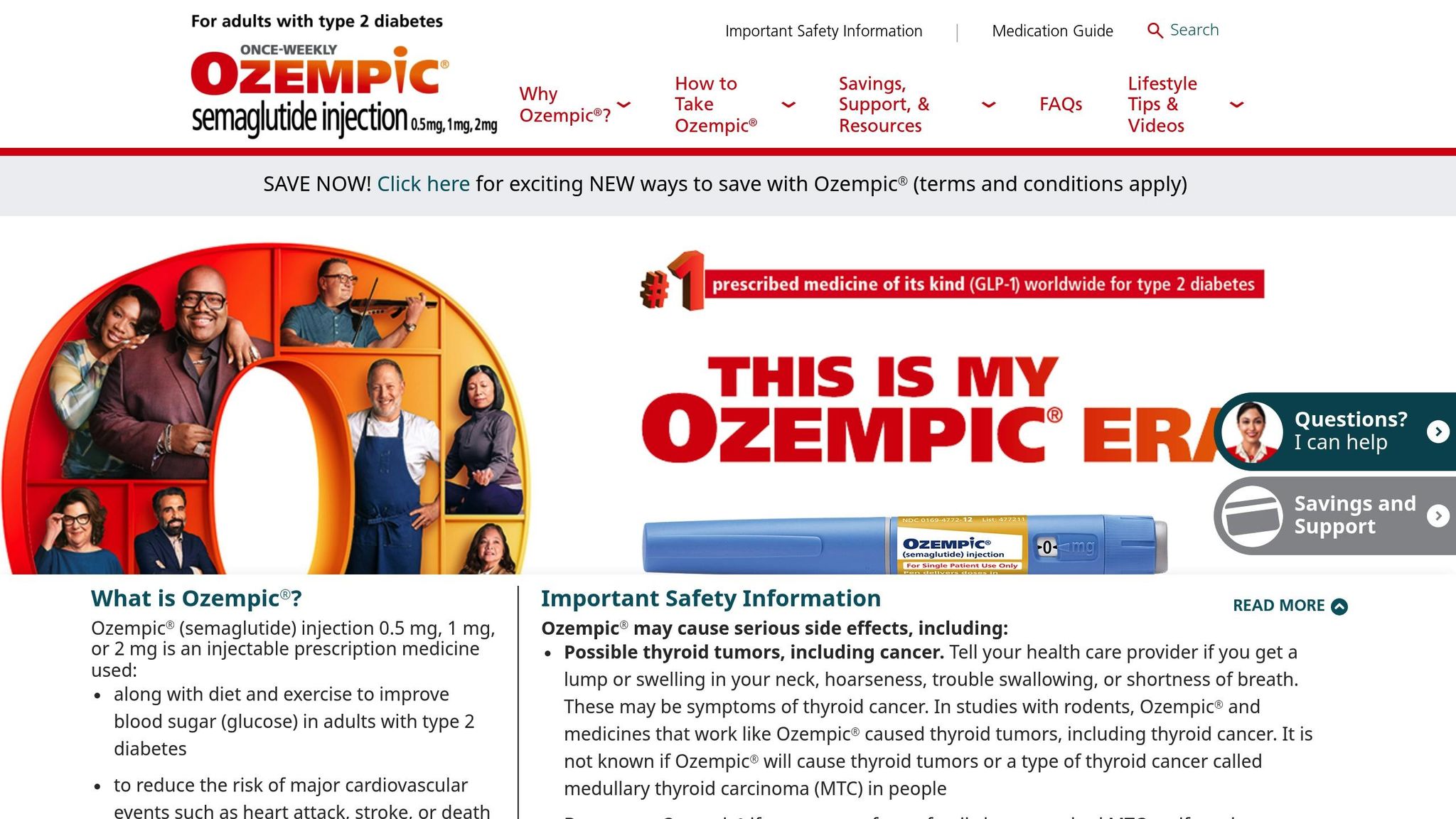
The Truth About Ozempic for PCOS Treatment | Dr. Dan | Obesity Expert
What to Consider When Choosing PCOS Weight Loss Medications
Finding the right weight loss medication for PCOS isn’t a one-size-fits-all decision. Your health, lifestyle, and future goals all play a role in determining what works best for you. Taking the time to assess these factors with your healthcare provider can help you make a choice that truly fits your needs. Let’s break down some key medical, lifestyle, and reproductive factors to consider before diving into specific options.
Medical Factors to Review
Your overall health is the foundation for selecting the right medication. A good starting point is your body mass index (BMI). Women with different BMI ranges may respond differently to the same treatment. For example, semaglutide has been shown to help women with PCOS and mild obesity achieve significant weight loss and improved insulin resistance. However, the results may not be as pronounced for those with severe obesity.
Insulin resistance - a condition affecting more than 75% of people with PCOS - can also guide medication choices. If this is a factor for you, your doctor might recommend treatments like metformin or GLP-1 receptor agonists (e.g., semaglutide or liraglutide), which not only improve insulin sensitivity but also support weight loss.
Other health conditions matter, too. If you have type 2 diabetes or heart disease, some medications may be more suitable than others. For instance, phentermine, which can raise heart rate and blood pressure, might not be the best option for someone with cardiovascular concerns.
Your past experiences with medications are also important. If you’ve tried weight loss treatments before, your doctor will want to know how effective they were and whether you experienced any side effects. This history can help shape your treatment plan moving forward.
Lifestyle and Cost Factors
Practicality plays a big role in sticking with a treatment. Some medications are taken as daily pills, while others are injections. For instance, semaglutide is usually injected once a week, whereas liraglutide often requires daily injections. Think about what fits best with your routine and what method you’re most comfortable using.
Telehealth options have made accessing care easier than ever. Services like Oana Health offer remote consultations, prescription management, and even home delivery with free shipping. This can be especially helpful for busy women or those living in areas with limited healthcare access.
Cost is another key factor, as medication prices can vary widely. Here’s a quick look at typical monthly costs for some treatments available through Oana Health:
| Medication Type | Monthly Cost Range | Example Price |
|---|---|---|
| Oral Metformin | $20–$25 | Oral Metformin ER: $22 |
| Topical Metformin | ~$43 | Metformin HCL Lotion 20%: $43 |
| GLP-1 Receptor Agonists | ~$199 | Oral Semaglutide GLP-1: $199 |
| Combination Packs | ~$32 | Metformin & Spironolactone: $32 |
While GLP-1 receptor agonists tend to be more expensive than metformin, telehealth providers like Oana Health often offer savings plans or bundled pricing to make treatments more affordable. It’s also worth checking your insurance coverage for off-label uses and exploring manufacturer savings programs.
Family Planning and Fertility Goals
Your reproductive goals are another important consideration. Some weight loss medications can also improve fertility by regulating menstrual cycles and encouraging ovulation. Both metformin and GLP-1 receptor agonists have shown benefits in these areas for women with PCOS.
Here’s what one patient had to say about her experience with metformin:
"Thanks to Oana, my menstrual cycles are more regular, and my skin has never looked better!"
- Margaret K.[1]
However, not all medications are safe for pregnancy or women actively trying to conceive. For example, phentermine and combination treatments like bupropion/naltrexone may pose risks to a developing fetus. Even medications that support fertility, such as metformin and GLP-1 agonists, might need to be stopped before pregnancy. It’s essential to discuss these details with your healthcare provider.
If you’re planning to start a family soon, share your timeline with your doctor. This ensures that your treatment plan aligns with both your weight loss goals and your future reproductive plans. By addressing these factors now, you’ll be better prepared to evaluate specific medication options in the next step.
sbb-itb-6dba428
Common Off-Label Medications for PCOS Weight Loss Compared
Let’s take a closer look at some of the most common off-label medications for managing PCOS-related weight loss. Understanding their effects, costs, and side effects can help you find the best fit for your needs.
Metformin Overview
Metformin is often the go-to medication for addressing PCOS-related weight challenges. It works as an insulin sensitizer, helping the body manage insulin more effectively, which can improve PCOS symptoms. Weight loss with metformin tends to be modest, typically around 2–5% of total body weight. Studies have also noted benefits such as improved BMI, more regular menstrual cycles, and reduced androgen levels.
That said, oral metformin can cause gastrointestinal issues like nausea and diarrhea, which may make it hard for some people to stick with it. If this is a concern, topical metformin might be an alternative. This version avoids digestive side effects while still boosting insulin sensitivity. Through Oana Health, you can access Oral Metformin ER for $22 per month or Metformin HCL Lotion 20% for $43 per month.
Topical metformin typically starts showing results after 3–4 weeks of consistent daily use. Many users report noticeable improvements in PCOS symptoms within a few months.
GLP-1 Receptor Agonists (Semaglutide, Tirzepatide)
GLP-1 receptor agonists, including semaglutide (found in Ozempic and Wegovy) and tirzepatide (available as Mounjaro and Zepbound), are some of the most effective medications for weight loss in PCOS. These drugs mimic gut hormones to increase insulin secretion, suppress appetite, and slow down digestion. Clinical trials have shown that semaglutide can result in weight loss exceeding 10%, with one study highlighting significant weight reduction in nearly 80% of obese PCOS patients who did not respond to lifestyle changes. Tirzepatide has shown even greater potential, with weight loss rates of 15–20%.
However, these medications come with side effects like nausea, vomiting, diarrhea, constipation, and abdominal discomfort. Rare but serious risks include pancreatitis and, based on animal studies, thyroid C-cell tumors. Oana Health offers Oral Semaglutide GLP-1 for $199 per month, a much lower cost compared to traditional retail prices, which often exceed $1,000 monthly.
Other Options: Phentermine, Bupropion/Naltrexone
If neither metformin nor GLP-1 agonists suit your needs, other options may be worth considering.
- Phentermine: This stimulant suppresses appetite and can lead to 5–10% body weight loss when paired with lifestyle changes. It’s relatively affordable, costing $30–$60 per month. However, it’s only approved for short-term use and may cause side effects like insomnia, dry mouth, increased heart rate, and anxiety. It’s not recommended for individuals with heart conditions or those planning to become pregnant.
- Bupropion/Naltrexone (Contrave): This combination medication reduces cravings and appetite, offering similar weight loss potential (5–10%). Side effects may include nausea, headaches, and potential psychiatric effects. The cost ranges from $100 to $200 per month. As with phentermine, it’s not ideal for individuals actively trying to conceive.
| Medication | Weight Loss Potential | Monthly Cost | Side Effects | Dosing |
|---|---|---|---|---|
| Oral Metformin | 2–5% body weight | $22 | GI upset, nausea | Daily oral |
| Topical Metformin | 2–5% body weight | $43 | Minimal GI effects | Daily application |
| GLP-1 Agonists | >10% possible | $199 | Nausea, vomiting, etc. | Weekly injection or daily oral |
| Phentermine | 5–10% possible | $30–$60 | Insomnia, anxiety, increased HR | Daily oral |
| Bupropion/Naltrexone | 5–10% possible | $100–$200 | Nausea, headache | Daily oral |
Ultimately, selecting the right medication depends on factors like your individual health profile, budget, tolerance for side effects, and reproductive plans. While GLP-1 agonists offer the most dramatic weight loss results, they come with higher costs and more pronounced side effects. Metformin provides a gentler option, especially for managing insulin resistance, with topical formulations minimizing digestive discomfort. Meanwhile, phentermine and bupropion/naltrexone may work well in specific situations but require careful medical oversight. Discuss these options with your healthcare provider to find the best fit for your needs.
Checklist for Talking with Your Healthcare Provider
Making the most of your healthcare appointment starts with preparation. By organizing key health details and having a clear plan, you can better collaborate with your provider to make informed decisions about your PCOS weight loss journey.
Gather Your Medical History and Set Clear Goals
Start by collecting all relevant health information. This includes documented diagnoses like PCOS, diabetes, high blood pressure, or heart disease, as well as your medication history (including any side effects), allergies, menstrual and mental health records, and recent lab results such as blood glucose, cholesterol, and liver function tests. If you've tried treatments like metformin or GLP-1 receptor agonists before, note how your body responded to them. Also, track your weight trends over time to give your provider a fuller picture.
When setting weight loss goals, be specific and realistic. For example, you might say, "I want to lose 15 pounds over the next six months" or "I'm aiming for a 5-10% reduction in my current weight." Studies show that even losing 5% of your body weight can improve PCOS symptoms and enhance medication effectiveness. Be open about your timeline, symptoms you hope to address (like irregular periods, acne, or insulin resistance), and any fertility goals. This is especially important since some medications, such as metformin, can assist with ovulation, while others may not be suitable if you're trying to conceive.
Consider Medication Costs and Accessibility
Once you have a clear understanding of your medical history, it’s time to think about the financial side of treatment. Medication costs can vary widely, so check what your insurance covers, ask about generic alternatives, and explore patient assistance programs that could help lower your out-of-pocket expenses.
Telehealth services like Oana Health offer specialized care for PCOS, providing personalized treatment plans and even direct-to-home medication delivery. Typically, the process begins with a quick 5-minute online intake, where you share your medical history and health needs, making specialized care more accessible and convenient.
Plan for Monitoring and Follow-Up
After discussing your treatment options, work with your provider to outline a plan for monitoring your progress. Regular follow-ups - typically every 1-3 months - are essential for tracking weight, metabolic markers (like blood glucose and cholesterol), menstrual cycle changes, and any medication side effects. These appointments also allow your provider to adjust doses based on how well your body tolerates the treatment.
Ask about any routine lab tests you might need and whether mental health check-ins are recommended, especially if you have a history of depression or eating disorders. Be proactive about discussing potential side effects of your chosen medication. For instance, metformin can cause gastrointestinal discomfort in 10-20% of users, while GLP-1 receptor agonists may lead to nausea or vomiting, and in rare cases, more serious issues like pancreatitis.
Making the Right Choice for PCOS Weight Loss
Choosing the right medication for PCOS weight loss starts with understanding your specific medical needs and personal goals. Since PCOS affects women in different ways - some may struggle with insulin resistance, while others face fertility challenges or significant weight gain - it's crucial to select a treatment that suits your individual circumstances.
The best treatment plans consider your medical history, current symptoms, and long-term objectives. For instance, if insulin resistance is a major concern, your healthcare provider might suggest metformin as an initial option. Metformin is widely supported by clinical research for addressing PCOS-related insulin issues. On the other hand, if you need more pronounced weight loss or haven’t achieved the desired results with metformin, GLP-1 receptor agonists like semaglutide could be an alternative, though they often come with a steeper price tag.
Cost and accessibility are also key considerations. Platforms like Oana Health aim to simplify access to specialized PCOS care. They offer a quick online intake process - taking only about five minutes - to connect you with licensed medical professionals. Treatments are delivered directly to your home with free shipping, making it easier to stick to your plan.
Your treatment should also take into account your family planning goals. This means regular monitoring and adjustments are essential, as outlined in the monitoring checklist. Whether through in-person visits or telehealth services, follow-up appointments ensure your treatment remains effective and adapts to your changing needs over time.
FAQs
How can I choose between metformin and GLP-1 receptor agonists for PCOS-related weight loss?
When choosing between metformin and GLP-1 receptor agonists for managing weight with PCOS, the decision largely hinges on your unique health profile, goals, and medical history. Both medications can aid in weight management, but they operate in distinct ways. Metformin focuses on improving insulin resistance, a frequent challenge for those with PCOS. In contrast, GLP-1 receptor agonists work by curbing appetite, leading to more direct weight loss.
The best way to decide is by consulting a licensed healthcare professional. They can assess your symptoms, medical background, and lifestyle to recommend the most suitable option. For those seeking personalized care, Oana Health provides telehealth services that connect you with specialists who can offer tailored, science-backed PCOS treatments, including prescription-based options.
Can weight loss medications for PCOS provide health benefits beyond just losing weight?
Yes, certain medications prescribed for weight loss in individuals with PCOS can provide benefits that go beyond simply managing weight. By targeting issues like insulin resistance and hormonal imbalances, these treatments may help alleviate symptoms such as acne, unwanted facial hair, and hair thinning. Achieving better weight control can also lower the chances of developing serious conditions like type 2 diabetes, heart disease, and fertility problems.
To find the right medication for your situation, it’s essential to work with a licensed healthcare provider. Options like the personalized treatments available through Oana Health focus on both your weight loss goals and overall well-being, ensuring your care plan is designed specifically for your needs.
How can family planning and fertility affect my choice of PCOS weight loss medication?
When choosing a weight loss medication for PCOS, it’s essential to think about how it might affect your fertility and family planning goals. Certain medications can impact ovulation, hormone levels, or other aspects of reproductive health. If having children is part of your plan, make sure to talk with a healthcare provider to find a treatment that supports your goals.
For advice tailored to your situation, consider reaching out to a specialist in PCOS treatments who can help you explore the best options for your needs.