
GLP-1 Agonists: Role in Insulin Resistance
GLP-1 receptor agonists are medications that help manage insulin resistance by mimicking the hormone GLP-1, which regulates blood sugar. These drugs improve insulin sensitivity, reduce inflammation, promote weight loss, and lower the risk of cardiovascular complications. They are particularly effective for conditions like type 2 diabetes and PCOS, where insulin resistance plays a central role.
Key Benefits of GLP-1 Agonists:
- Lower A1C levels by 0.8%–1.6%.
- Support weight loss (2.2 to 6.6 lbs in trials).
- Reduce inflammation and oxidative stress.
- Improve lipid metabolism, lowering LDL and triglycerides.
- Enhance reproductive health in PCOS by reducing hyperinsulinemia and androgen levels.
For women with PCOS, GLP-1 agonists address insulin resistance, a root cause of symptoms like irregular cycles and weight gain. Combining these medications with metformin has shown better outcomes for weight loss, insulin sensitivity, and fertility.
While generally safe, common side effects include nausea, vomiting, and diarrhea, which often lessen over time. Rare risks, such as pancreatitis or thyroid issues, warrant careful monitoring. GLP-1 agonists also provide cardiovascular benefits, with trials showing a 10%–26% reduction in major events.
Telemedicine providers like Oana Health make accessing GLP-1 treatments easier, offering personalized plans with free delivery for $199/month. These options are ideal for managing metabolic conditions, improving hormonal health, and supporting weight loss.
“If the goal is to keep insulin low, why is GLP-1 good, since it stimulates insulin production?”
How GLP-1 Agonists Reduce Insulin Resistance
GLP-1 receptor agonists improve the body's insulin response by acting on various biological pathways.
Insulin Secretion and Beta-Cell Protection
These medications bind to beta cells, triggering a chain reaction where adenylyl cyclase produces cAMP, which then activates PKA and Epac. This process promotes insulin release.
Interestingly, insulin secretion depends on elevated blood sugar levels. Glucose metabolism generates ATP, which drives cAMP production. As blood sugar drops, insulin secretion slows, reducing the risk of hypoglycemia.
"The activity of GLP-1 and its receptor agonists is self-limiting, ceasing when blood glucose levels fall in response to the secreted insulin." - PMC3556522
Beyond their immediate impact on insulin release, GLP-1 agonists help protect the pancreas by promoting beta-cell survival and reducing apoptosis. They also suppress glucagon secretion from alpha cells, which helps curb excessive glucose production in the liver.
But the benefits don’t stop there - these medications also target inflammation and oxidative stress.
Anti-Inflammatory and Antioxidant Effects
GLP-1 receptor agonists play a role in reducing inflammation by blocking the NF-κB signaling pathway. For instance, exenatide prevents NF-κB from binding to DNA, which lowers the production of inflammatory cytokines like TNF-α and IL-1β.
Interestingly, the anti-inflammatory effects go beyond weight loss. In trials like PIONEER 2, semaglutide reduced C-reactive protein (CRP) levels by 30%, even though weight loss alone only accounted for part of the improvement. By comparison, empagliflozin, despite similar weight loss, showed no impact on CRP.
On a cellular level, GLP-1 agonists directly affect immune cells. They activate GLP-1 receptors on T cells, reducing the phosphorylation of proteins like ZAP70 and SLP-76. This dampens the production of inflammatory proteins such as IFN-γ and TNF-α. By suppressing TNF-α, these medications help restore proper insulin signaling by preventing harmful changes to Insulin Receptor Substrate-1 (IRS-1) and boosting GLUT-4 expression.
The antioxidant effects are equally important. GLP-1 agonists reduce reactive oxygen species (ROS) and protect against mitochondrial damage and endoplasmic reticulum stress. They also enhance the activity of antioxidant enzymes while suppressing pathways like NADPH oxidase and PKC that contribute to oxidative stress.
Effects on Lipid Metabolism and Oxidative Stress
By reducing inflammation, these medications also improve how the body processes lipids and combat oxidative stress.
GLP-1 receptor agonists have been shown to reduce dietary fat absorption, inhibit chylomicron production, and increase hepatic fatty acid oxidation and autophagy. These changes lead to reductions in LDL cholesterol (by ~3.1 mg/dL), total cholesterol (by ~5.0 mg/dL), and triglycerides. Even modest weight loss of 5% can significantly lower triglyceride levels and improve insulin sensitivity.
Preventing harmful fat buildup in organs, known as lipotoxicity, is another key benefit.
"GLP-1 receptor agonists reduce LDL-C and ameliorate ox-LDL's proinflammatory injurious effects on vascular endothelial cells." - Husam Abu-Nejim, The Warren Alpert Medical School of Brown University
These combined effects highlight how GLP-1 agonists contribute to better hormonal balance and metabolic health.
Clinical Evidence for GLP-1 Agonists in Insulin Resistance
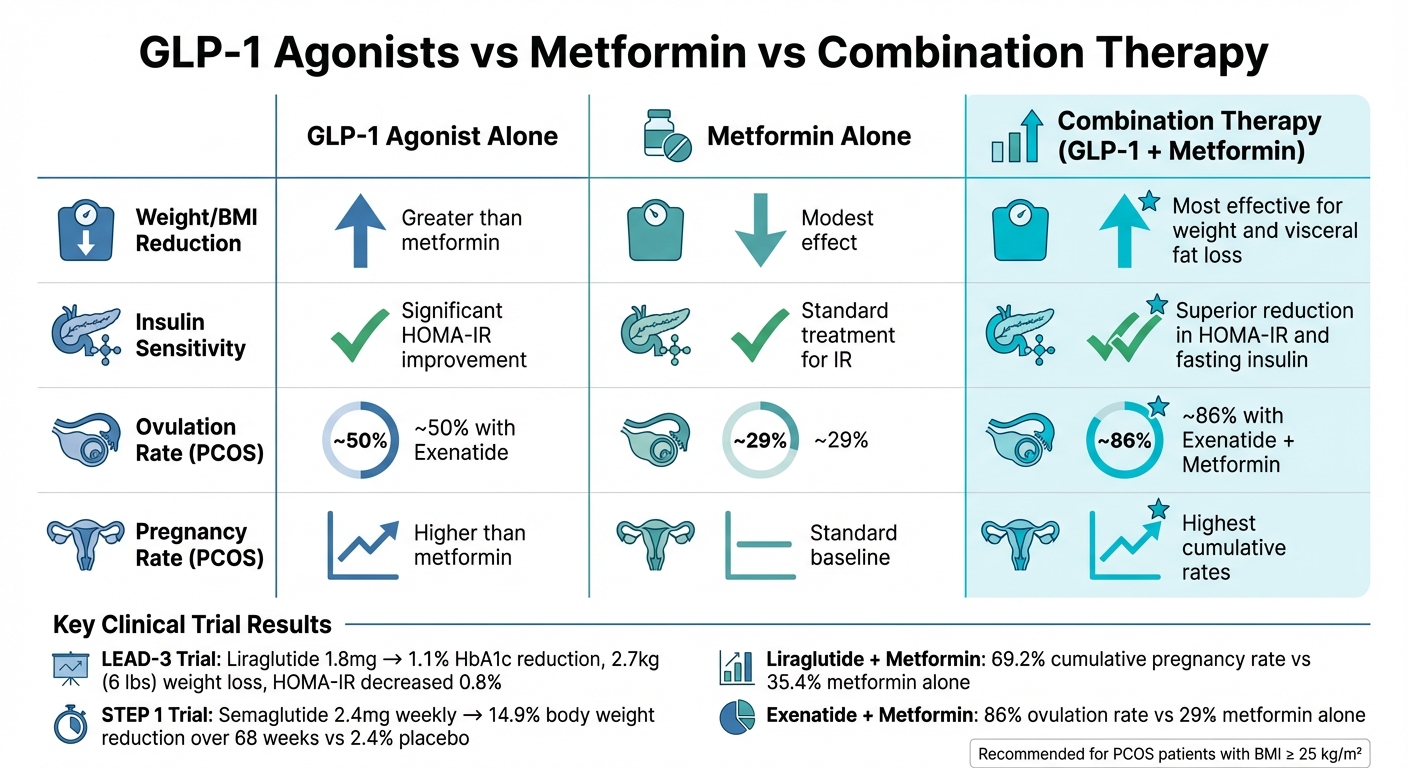
GLP-1 Agonists vs Metformin vs Combination Therapy for PCOS and Insulin Resistance
Clinical trials have provided strong support for the role of GLP-1 agonists in addressing insulin resistance. These studies show clear improvements in both insulin sensitivity and glucose control.
In the LEAD-3 trial, which tracked 746 patients over two years, liraglutide 1.8 mg reduced HbA1c levels by 1.1% and led to an average weight loss of about 2.7 kg (6 lbs). In contrast, patients in the glimepiride group experienced weight gain. Notably, the HOMA-IR score, a measure of insulin resistance, dropped by 0.8% with liraglutide but rose by 0.8% in the glimepiride group. Similarly, the STEP 1 trial demonstrated that weekly doses of semaglutide 2.4 mg resulted in a 14.9% reduction in body weight over 68 weeks, compared to just 2.4% in the placebo group. These findings underscore the effectiveness of GLP-1 agonists in improving metabolic health.
Liraglutide's Effect on Insulin Sensitivity Beyond Weight Loss
In January 2024, researchers from Vanderbilt University highlighted liraglutide's ability to improve insulin sensitivity within just two weeks, as measured by HOMA-IR and the Matsuda index. Their 14-week study involved individuals with obesity and prediabetes, divided into groups receiving liraglutide, a hypocaloric diet, or sitagliptin. Interestingly, liraglutide enhanced insulin sensitivity even before significant weight loss occurred.
"Liraglutide exerts rapid, weight loss–independent, GLP-1R–dependent effects on insulin sensitivity that are not achieved by increasing endogenous GLP-1."
– Nancy J. Brown, MD, Yale School of Medicine
The study also found that administering exendin(9-39) reversed these benefits, confirming that the effects are receptor-dependent. These results align with the known mechanisms of GLP-1 agonists in reducing insulin resistance.
GLP-1 Agonists for PCOS Management
Polycystic ovary syndrome (PCOS) is often accompanied by severe insulin resistance, affecting about 75% of cases, and up to 93.9% in individuals with obesity. GLP-1 agonists address this issue by lowering hyperinsulinemia, which reduces excessive ovarian androgen production and visceral fat accumulation.
A 2025 meta-analysis of 13 randomized controlled trials showed that GLP-1 agonists significantly reduced BMI, body weight, waist circumference, and HOMA-IR scores in women with PCOS (P < 0.0001 in most cases). Beyond metabolic improvements, these medications also enhanced reproductive outcomes. For instance, a combination of liraglutide and metformin resulted in a cumulative pregnancy rate of 69.2%, compared to 35.4% for metformin alone.
"GLP1-RAs seem promising for effective treatment of obese PCOS patients, acting on one of the primary causes of PCOS at the molecular level."
– Krzysztof Bednarz, Department of Gynecological Endocrinology, Medical University of Silesia
Exenatide has also shown impressive results. In one study, the pregnancy rate was 43.6% with exenatide compared to 18.7% with metformin alone. When combined, exenatide and metformin achieved an ovulation rate of 86%, compared to just 29% with metformin monotherapy.
Combining GLP-1 Agonists with Metformin
Combining GLP-1 agonists with metformin has consistently outperformed using either medication alone. The table below highlights how these treatments compare:
| Parameter | GLP-1RA Alone | Metformin Alone | Combination Therapy |
|---|---|---|---|
| Weight/BMI Reduction | Greater than metformin | Modest effect | Most effective for weight and visceral fat loss |
| Insulin Sensitivity | Significant HOMA-IR improvement | Standard treatment for IR | Superior reduction in HOMA-IR and fasting insulin |
| Ovulation Rate (PCOS) | ~50% (Exenatide) | ~29% | ~86% (Exenatide + Metformin) |
| Pregnancy Rate (PCOS) | Higher than metformin | Standard baseline | Highest cumulative rates |
This evidence highlights the advantages of combination therapy, particularly for PCOS patients with a BMI ≥ 25 kg/m² and for individuals with type 2 diabetes who struggle to meet glycemic targets on metformin alone. While GLP-1 agonists may cause nausea and vomiting, these side effects are typically linked to dose escalation and tend to subside over time.
sbb-itb-6dba428
GLP-1 Agonists in Hormonal Health Management
GLP-1 receptor agonists have emerged as an important tool in managing hormones, especially in conditions like PCOS and metabolic syndrome. These medications interrupt the harmful cycle where high insulin levels drive androgen overproduction and visceral fat accumulation. By reducing compensatory hyperinsulinemia, GLP-1 agonists lower the stimulatory effects of insulin on ovarian theca cells. This results in reduced testosterone levels and a lower Free Androgen Index (FAI). These hormonal adjustments work hand in hand with the metabolic benefits previously discussed.
An additional advantage is the increase in SHBG (sex hormone-binding globulin) levels. SHBG binds to free testosterone, reducing its activity throughout the body. Clinical research has shown that liraglutide (1.8 mg) can reduce liver fat by 44% and visceral adipose tissue by 18% in women with PCOS. This directly tackles chronic inflammation and oxidative stress by lowering pro-inflammatory cytokines like TNF-α and IL-6.
GLP-1 agonists also play a role in regulating the hypothalamic-pituitary-gonadal (HPG) axis, which is often disrupted in PCOS. By modulating the pulsatile secretion of GnRH and normalizing luteinizing hormone (LH) levels, these medications contribute to hormonal balance. This rebalancing improves both insulin sensitivity and overall metabolic health, and when combined with other therapies, the hormonal benefits are even greater.
"GLP1-RAs not only reduce body weight but also enhance glucose transporter expression and decrease inflammation and oxidative stress."
– MDPI
GLP-1 receptor agonists offer a comprehensive approach to hormonal health management by addressing multiple metabolic dysfunctions simultaneously. They target six of the eight core defects in type 2 diabetes - often called the "ominous octet" - including issues like impaired insulin secretion, increased glucagon levels, and neurotransmitter dysfunctions related to satiety. This holistic action is particularly impactful for women with PCOS, as 44% experience depressive symptoms and 41.9% face anxiety disorders. By improving metabolic and weight-related outcomes, GLP-1 therapies can also help support mental health and overall well-being.
Safety, Efficacy, and Oana Health Treatment Options

GLP-1 receptor agonists are considered safe but can come with a range of side effects, both common and rare. The most frequent issues are gastrointestinal, with nausea affecting 25% to 60% of patients, vomiting occurring in 5% to 15%, and diarrhea reported in 10% to 20% of cases. These symptoms are typically seen during the early stages of treatment or when the dosage is increased. One major safety benefit of these medications is their glucose-dependent action - they stimulate insulin production only when blood sugar levels are elevated, which means the risk of hypoglycemia is low when used on their own. To reduce side effects, gradual dose adjustments and smaller meal portions are often recommended.
However, there are rare but serious risks, including acute pancreatitis, acute kidney injury, and gallbladder disorders. Additionally, these medications carry a boxed warning about thyroid C-cell tumors, based on findings from animal studies. For this reason, they are not recommended for individuals with a personal or family history of medullary thyroid carcinoma or Multiple Endocrine Neoplasia syndrome type 2. Beyond managing blood sugar, GLP-1 agonists have shown cardiovascular benefits. For instance, the SUSTAIN 6 trial found that semaglutide reduced the risk of major cardiovascular events by 26%.
These safety considerations highlight the importance of accessible and tailored treatment options.
Oana Health's Telemedicine for Insulin Resistance
Given these safety factors, having convenient and personalized treatment options is key. That’s where Oana Health steps in, offering prescription-based GLP-1 treatments designed for those managing insulin resistance, PCOS, and other metabolic conditions. The process is simple: it starts with a consultation with licensed healthcare providers who review your medical history to create a personalized treatment plan. No existing prescription is needed - Oana Health takes care of everything. Once approved, medications are shipped directly to your door with free delivery. All treatments come from state-licensed, FDA-registered, LegitScript-certified compounding pharmacies.
The effectiveness of these treatments is backed by research. For example, patients using oral semaglutide often lose 5% to 10% of their starting weight within 12 weeks. Oana Health operates in several states, including Arizona, California, Colorado, Florida, Texas, and Washington. Their team includes experienced professionals like Dr. Bhavesh Patel, who has over a decade of clinical experience and is licensed in 40 states.
Treatment Plan Comparison for Insulin Resistance
Here’s a quick look at the treatment plans Oana Health offers for managing insulin resistance:
| Plan Name | Monthly Price | Key Benefits | PCOS Relevance |
|---|---|---|---|
| Oral GLP-1 & Metformin | $199 | Combines GLP-1 agonists and Metformin for comprehensive metabolic support. | Highly recommended for PCOS and metabolic health. |
| Oral Semaglutide GLP-1 | $199 | GLP-1 agonist treatment achieving 5–10% weight loss in 12 weeks. | Supports PCOS symptom management. |
| Ozempic | $1,299 | Injectable GLP-1 agonist for weight management and insulin sensitivity with weekly dosing. | Effective for severe insulin resistance and cardiovascular support. |
For the best results, consider incorporating strength training to maintain muscle mass during weight loss. Oral medications should be taken sublingually and timed with meals for better absorption.
Conclusion
GLP-1 receptor agonists have proven to be effective in managing insulin resistance in women with PCOS and other metabolic disorders. These medications work by enhancing glucose-dependent insulin secretion, reducing inflammation, and improving both glucose and lipid metabolism. By addressing hyperinsulinemia, GLP-1RAs help lower ovarian androgen production, promoting a healthier hormonal balance.
Research shows that around 75% of women with PCOS experience insulin resistance. GLP-1 agonists not only reduce A1C levels by 0.8% to 1.6% but also support weight loss. Additionally, they increase SHBG levels and reduce free testosterone, further contributing to improved hormonal balance.
"GLP-1 receptor agonists are an innovative and effective option to improve blood glucose control, with other potential benefits of preserving beta-cell function, weight loss, and increasing insulin sensitivity" – Dr. Lalita Prasad-Reddy, Chicago State University
One of the standout features of GLP-1 agonists is their glucose-dependent mechanism, which lowers the risk of hypoglycemia. Along with their cardiovascular and pancreatic benefits, these medications offer a comprehensive approach to metabolic health.
For those seeking a convenient way to access GLP-1 treatments, Oana Health offers a telemedicine service that simplifies the process. Licensed providers develop personalized treatment plans, and medications are delivered directly to your door for $199 per month. This makes managing insulin resistance, hormonal health, and weight concerns easier and more accessible.
FAQs
How do GLP-1 receptor agonists help improve insulin resistance in women with PCOS?
GLP-1 receptor agonists play an important role in improving insulin resistance in women with PCOS. These medications enhance insulin secretion in response to glucose, which leads to better blood sugar control. Beyond that, they aid in weight loss and help reduce visceral fat - two major factors in boosting insulin sensitivity.
Here's how they work: GLP-1 receptor agonists decrease glucose production in the liver while improving the body’s ability to use glucose in peripheral tissues. They also support weight management by increasing feelings of fullness and reducing appetite. This helps lower excess body fat, which often contributes to insulin resistance.
By targeting multiple issues - blood sugar regulation, weight, and fat distribution - GLP-1 receptor agonists provide a well-rounded approach to managing insulin resistance in PCOS.
What are the common side effects and risks of using GLP-1 receptor agonists?
GLP-1 receptor agonists are known to cause gastrointestinal issues, with nausea, vomiting, and diarrhea being the most commonly reported side effects. While these are generally manageable, there are rare but serious risks to be aware of, such as pancreatitis - a painful inflammation of the pancreas - and an increased chance of developing thyroid tumors, including medullary thyroid carcinoma. This risk is especially relevant for individuals with a family history of thyroid conditions.
On their own, GLP-1 agonists usually carry a low risk of hypoglycemia. However, when used alongside other diabetes medications, the likelihood of low blood sugar can rise. To ensure this treatment is appropriate for you, it’s essential to discuss your medical history and any concerns with your healthcare provider. This helps tailor the treatment to your specific needs and minimizes potential risks.
How do GLP-1 agonists and metformin work together to improve insulin resistance?
The pairing of GLP-1 agonists with metformin offers a powerful way to tackle insulin resistance by improving blood sugar management, lowering the reliance on higher insulin doses, and aiding in weight loss. By addressing multiple aspects of insulin resistance, this combination boosts the effectiveness of treatment.
GLP-1 agonists work by helping to regulate blood sugar levels and suppress appetite, while metformin enhances the body's insulin sensitivity and decreases glucose production in the liver. Together, they provide a well-rounded approach that supports better blood sugar control and overall metabolic health.