Blog
Reproductive Health
Explore our expert articles on reproductive health related to PCOS management and treatment.

Checklist for Starting Metformin and Spironolactone
Step-by-step checklist to start metformin and spironolactone safely: medical history, baseline labs, dosing, side-effect monitoring, lifestyle changes...

Spironolactone and Progesterone: Combining Treatments Safely
Guide to using spironolactone with progesterone for PCOS: benefits, risks, dosing, monitoring (potassium, kidney), contraception, and telehealth optio...

Ultimate Guide to Hormonal Drug Packaging Safety
Guidance on FDA labeling, safe materials, child-resistant and tamper-evident features, and telehealth shipping to prevent hormonal medication errors.

How Healthy Fats Improve Insulin Sensitivity
Learn how monounsaturated and omega‑3 fats improve insulin sensitivity, reduce inflammation, and help manage PCOS and diabetes risk through simple die...

How Insulin Resistance Links PCOS and Fasting
How intermittent fasting can lower insulin, reduce androgens, improve ovulation and weight in many women with PCOS — with cautious, personalized medic...

MBSR for PCOS: What Studies Show
Research shows MBSR can reduce stress and anxiety, lower fasting glucose, improve insulin sensitivity, and support weight and quality of life in women...

Cardio and Resistance Training for PCOS
Combine cardio and resistance training to improve insulin sensitivity, lower androgens, reduce visceral fat, and support modest weight loss for PCOS.

Spironolactone vs. Eflornithine: Drug Interactions
Compare spironolactone and topical eflornithine for hirsutism: interaction risks, monitoring needs, and safety considerations.

Cardio and Hormonal Balance in PCOS
Regular cardiovascular exercise can improve insulin sensitivity, lower androgens, raise SHBG, and restore hormonal balance in PCOS within 12 weeks.

PCOS and Endometrial Hyperplasia Risk
How PCOS increases endometrial hyperplasia and cancer risk through chronic anovulation, insulin resistance, and obesity — symptoms, monitoring, and tr...

Mindful Yoga for PCOS: Benefits and Poses
Mindful yoga can lower testosterone, reduce anxiety and depression, improve insulin sensitivity, and support PCOS treatment with simple poses and brea...
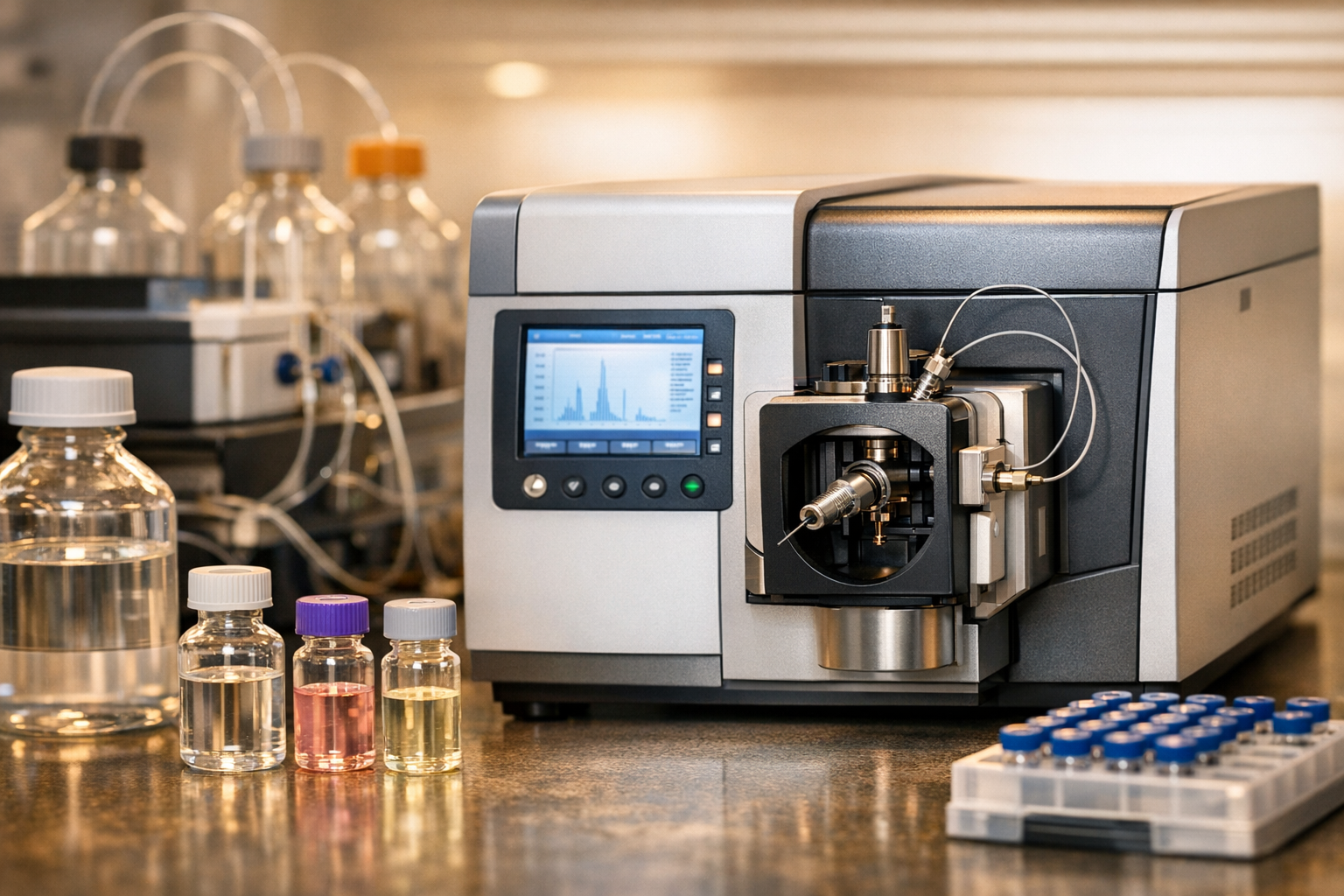
Emerging Biomarkers for Adrenal Hyperandrogenism
How 11‑oxygenated androgens, 21‑deoxycortisol and LC‑MS/MS improve diagnosis and treatment of adrenal-driven hyperandrogenism.

Plant-Based Diets and Insulin Resistance
How a whole-food plant-based diet can improve insulin sensitivity, lower androgens, support weight loss, and reduce diabetes risk in PCOS.
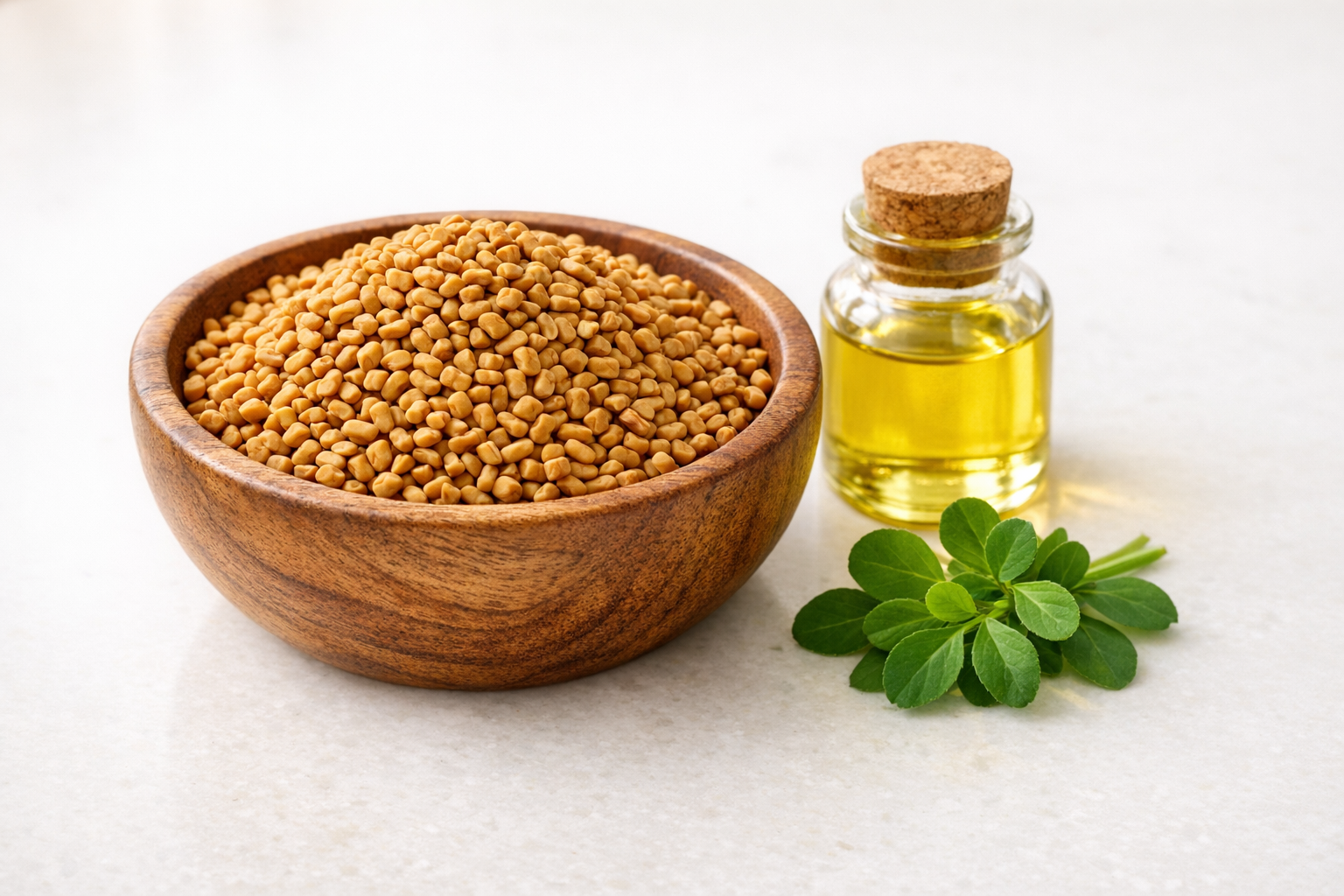
Fenugreek for Hirsutism: What Studies Show
Clinical studies show fenugreek may reduce hirsutism in women with PCOS by lowering androgens, improving insulin sensitivity and lipid profiles.
Insulin Resistance in PCOS: Role of Pharmacotherapy
Metformin, GLP‑1 drugs, inositols and combination therapies target insulin resistance in PCOS; telehealth offers personalized prescriptions and follow...

How Endocrine Disruptors Affect Hormonal Health
Everyday chemicals (BPA, phthalates, PFAS) can disrupt female hormones, worsen PCOS and insulin resistance, and practical steps to lower your exposure...

Customizing Spironolactone for PCOS Symptoms
Personalized guide to using spironolactone for PCOS acne, hirsutism, and hair loss—dosing, monitoring, safety, and pregnancy considerations.
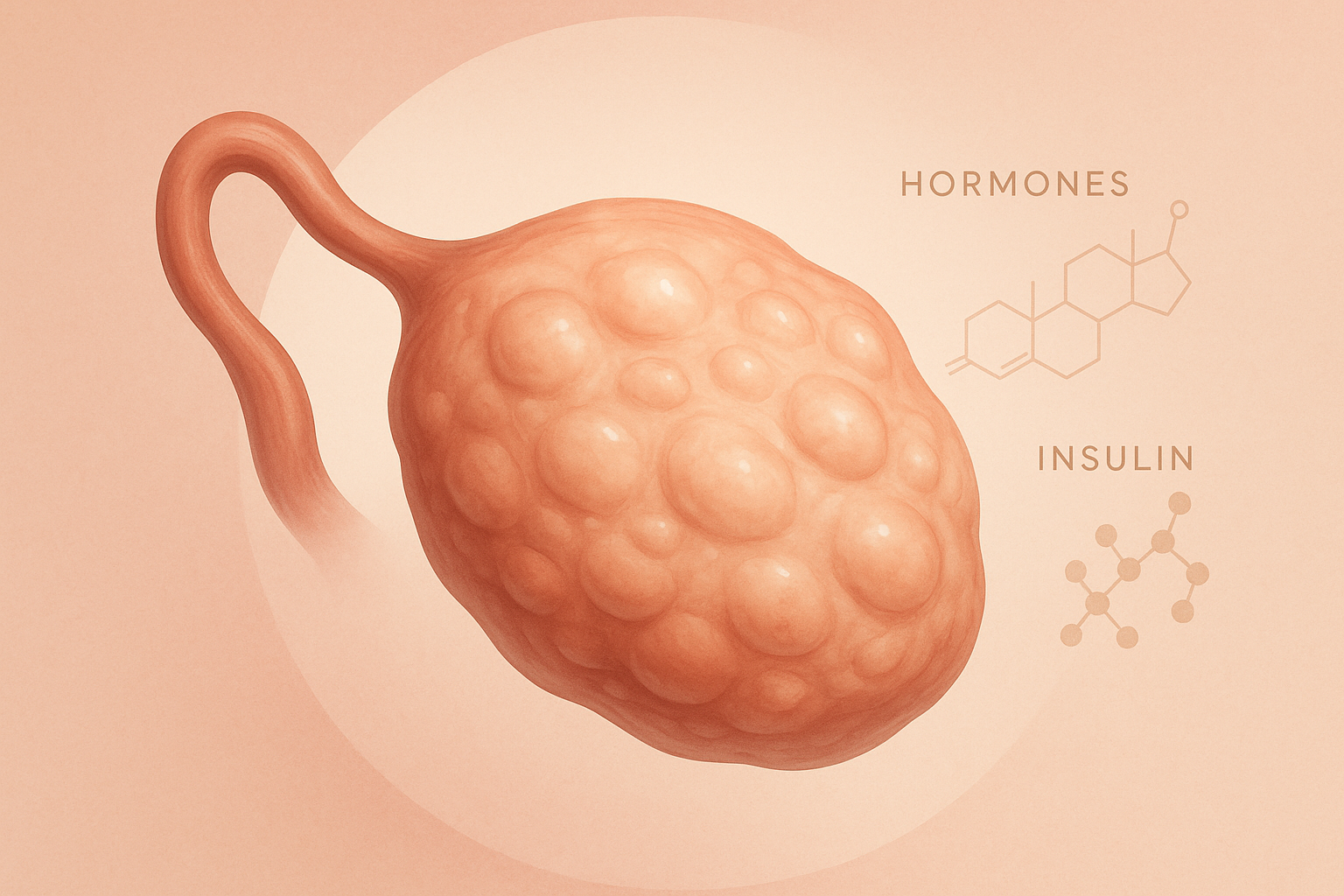
How PCOS Affects Ovarian Cancer Risk
Overall ovarian cancer risk is low for women with PCOS, but postmenopausal PCOS may raise risk; manage insulin, weight, hormones, and screening.

Synbiotics and Insulin Resistance in PCOS
Synbiotics (probiotics + prebiotics) may improve insulin sensitivity, lower HOMA‑IR, fasting insulin and lipids in women with PCOS, especially alongsi...

Low-Dose Spironolactone for PCOS: What Studies Show
Low-dose spironolactone (25–50 mg) for PCOS: helps acne, hirsutism and hair loss; covers safety, monitoring, and use with metformin or birth control v...
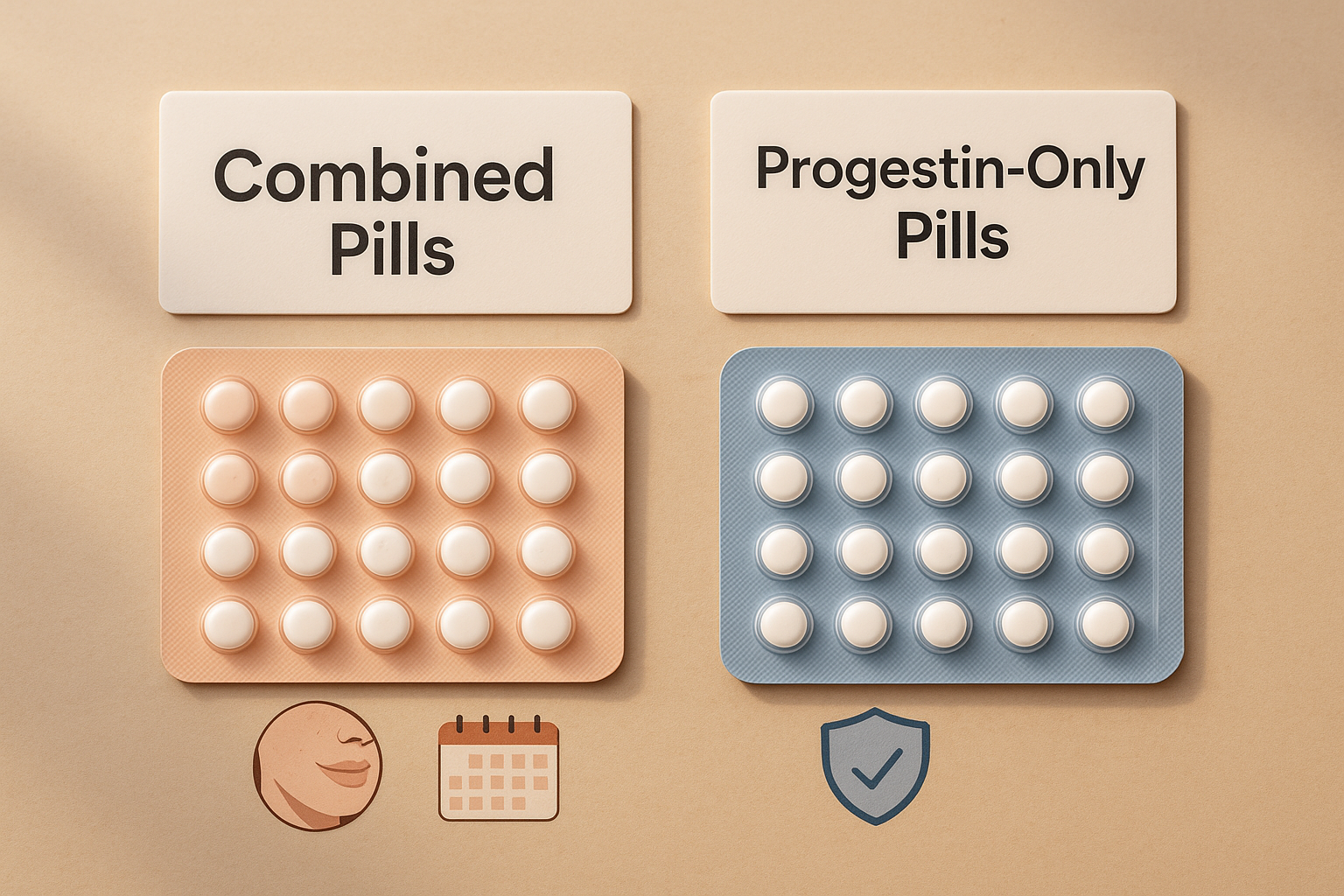
Combined vs. Progestin-Only Pills for PCOS
COCs better manage acne, hirsutism and cycle irregularity in PCOS, while progestin-only pills offer safer contraception for high-risk users.
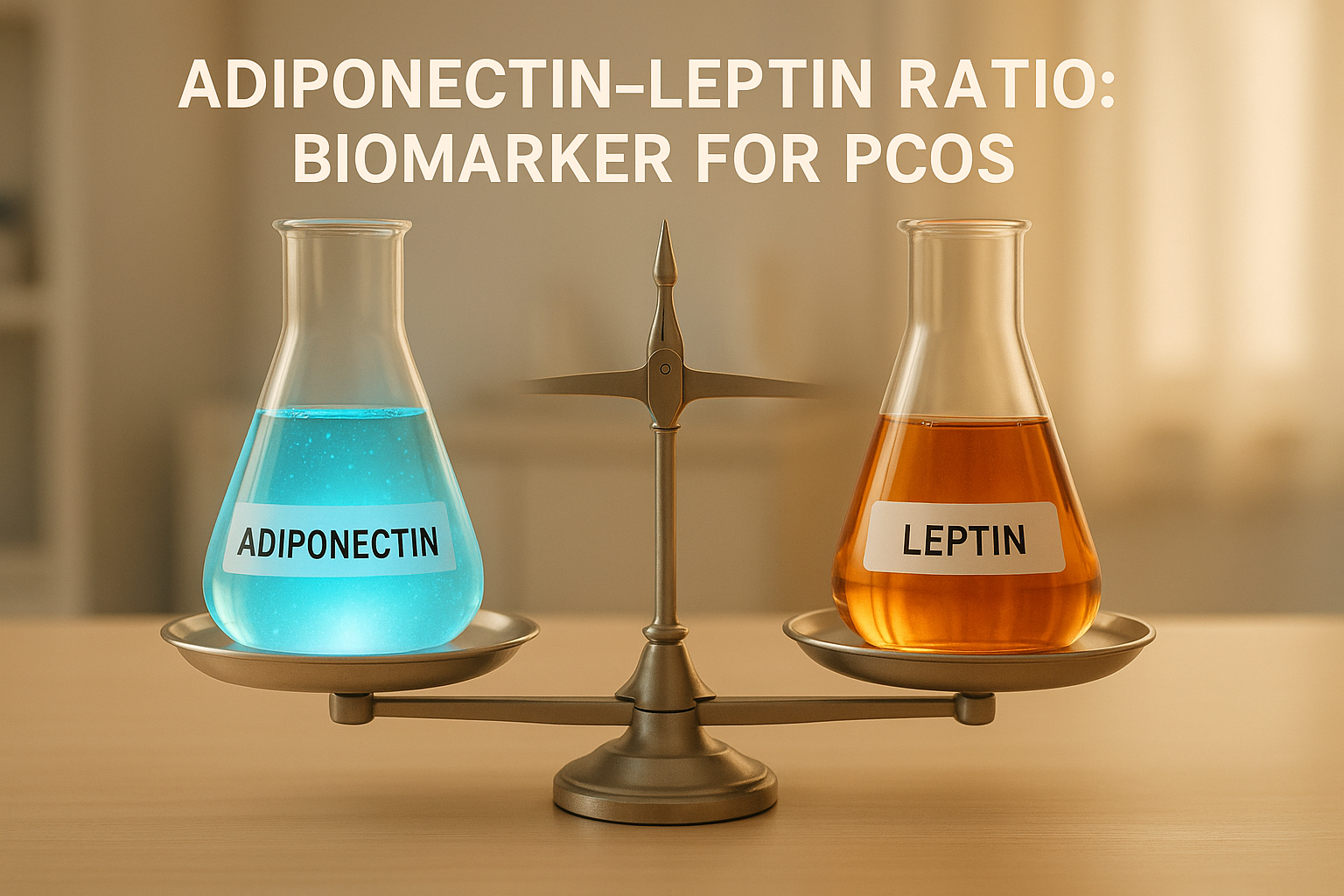
Adiponectin-Leptin Ratio: Biomarker for PCOS
Adiponectin-leptin ratio detects insulin resistance and cardiometabolic risk in PCOS, enabling earlier, targeted care beyond BMI or fasting glucose.

Telehealth for PCOS: What to Expect in Your First Visit
Prepare for your first PCOS telehealth visit: test tech, gather medical history, expect symptom review, tailored treatment options, prescriptions, and...
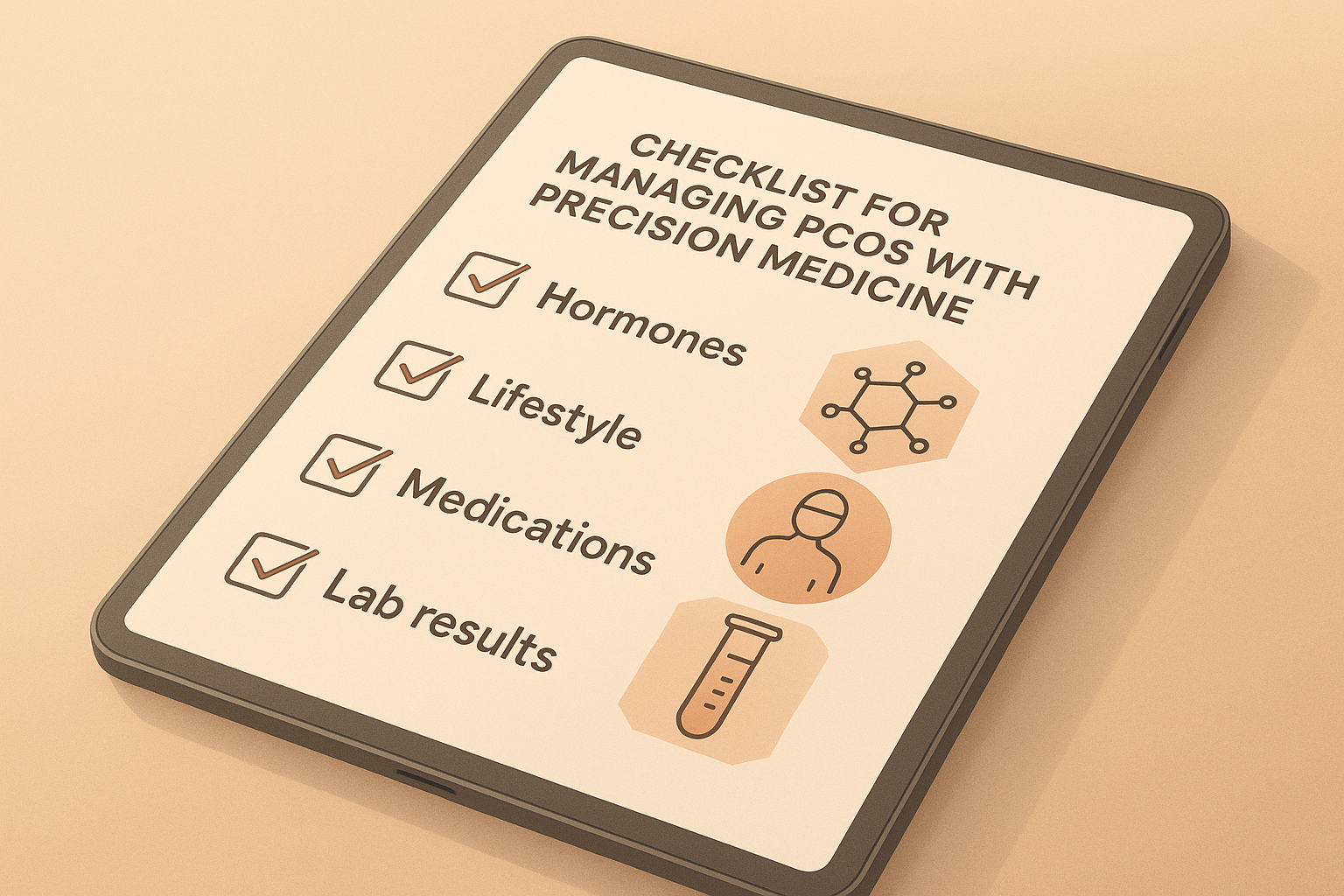
Checklist for Managing PCOS with Precision Medicine
A step-by-step checklist to assess your PCOS type, build a precision medicine treatment plan, monitor labs, and pair targeted medications with lifesty...