
Mood Swings in Menopause: BHRT Solutions
Menopause often brings unpredictable mood swings caused by hormonal changes, impacting daily life and emotional well-being. Bioidentical Hormone Replacement Therapy (BHRT) offers a personalized solution to restore hormonal balance and stabilize mood. Here's what you need to know:
- Why Mood Swings Happen: Hormonal fluctuations, especially in estrogen and progesterone, disrupt neurotransmitters like serotonin and GABA, leading to irritability, anxiety, or sadness.
- How BHRT Helps: BHRT uses plant-based hormones that mimic your body's natural ones, improving mood regulation, sleep, and overall emotional stability.
- Delivery Options: Includes patches, gels, pills, or implants, tailored to individual needs.
- Lifestyle Matters: Pairing BHRT with healthy eating, exercise, stress management, and quality sleep enhances results.
- Risks to Consider: BHRT may slightly increase risks of blood clots, stroke, or breast cancer, so careful monitoring is essential.
Mood swings during menopause don’t have to disrupt your life. BHRT, combined with lifestyle changes, can help you regain control and feel balanced again.
Menopause & Mood: How changing hormones increase the risk of anxiety & depression | Felice Gersh, MD
What Is Bioidentical Hormone Replacement Therapy (BHRT)?
When menopause brings hormonal imbalances that lead to mood swings, Bioidentical Hormone Replacement Therapy (BHRT) can help restore equilibrium. BHRT uses lab-created hormones derived from plants like soy or yams, designed to closely match the hormones your body naturally produces. In the U.S., around 1 to 2.5 million women over 40 rely on compounded bioidentical hormones to manage their symptoms. Let’s break down how BHRT can help stabilize mood and bring relief.
How BHRT Works
BHRT replenishes declining levels of hormones like estrogen, progesterone, and testosterone with bioidentical versions. These hormones are designed to work in harmony with your body, often providing a more natural fit compared to synthetic options. There are two main forms of BHRT:
- FDA-approved standardized versions: These are available at pharmacies and follow strict manufacturing guidelines.
- Custom-compounded formulations: These are tailored to meet your specific hormonal needs, often created by specialized pharmacies.
Both forms circulate through the bloodstream and work to regulate mood by influencing brain activity.
How BHRT Reduces Mood Swings
Mood swings during menopause often stem from fluctuating hormone levels, and BHRT can help by influencing key brain chemicals. Here’s how it works:
- Estrogen: Helps stabilize serotonin, a neurotransmitter that plays a major role in mood regulation.
- Progesterone: Affects GABA, a brain chemical that promotes relaxation, potentially easing anxiety and improving sleep.
- Testosterone: In low doses, it can enhance energy, motivation, and mood stability.
Dr. Tara Scott, an OB-GYN and menopause specialist, puts it simply:
"Estrogen acts like a natural antidepressant, progesterone is like a natural anti-anxiety, and testosterone is a mood stabilizer".
Women often report noticeable improvements in mood within 4 to 8 weeks of starting BHRT, with the full effects typically felt after about three months.
BHRT Delivery Methods and Customization
BHRT offers flexibility in how it’s delivered, allowing treatments to be tailored to individual needs. Here are the most common delivery methods:
- Transdermal patches: Applied once or twice a week, these provide steady hormone levels and avoid liver metabolism, making them a good option for those with hypertension or who smoke.
- Topical gels or sprays: These are applied daily and absorbed through the skin.
- Oral pills: A convenient daily option for hormone replacement.
- Pellets: Implanted under the skin, these release hormones gradually over several months, offering a long-term solution.
- Vaginal creams or rings: These target local symptoms but don’t address mood changes systemically.
Because every woman experiences menopause differently, healthcare providers typically use lab tests and symptom evaluations to customize hormone dosages and adjust treatment plans over time. This personalized approach ensures that BHRT meets each individual’s unique needs effectively.
Benefits and Risks of BHRT for Mood Management
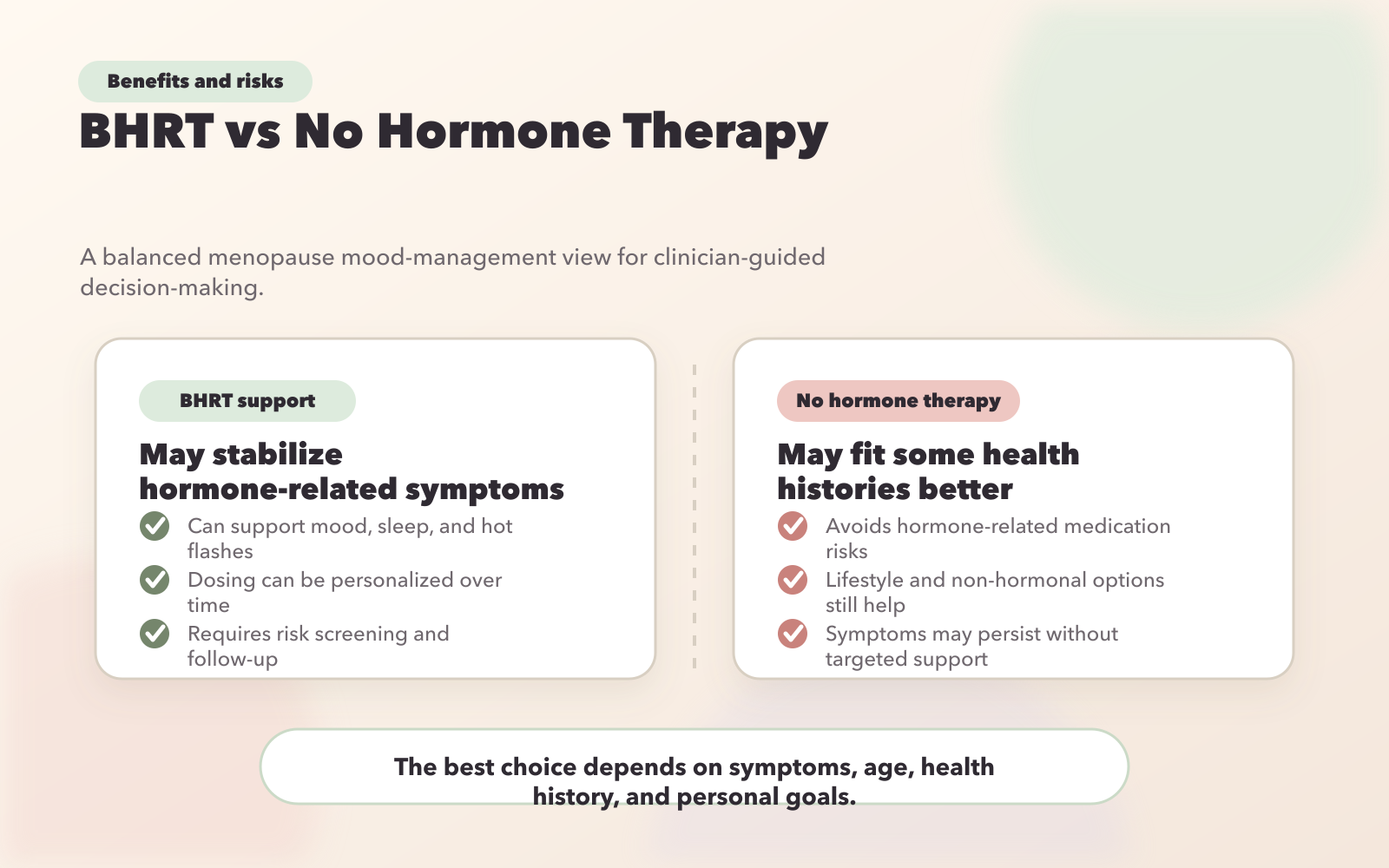
BHRT vs No Hormone Therapy: Benefits and Risks Comparison for Menopause
Emotional and Physical Benefits
Bioidentical Hormone Replacement Therapy (BHRT) offers a range of benefits, from improving mood and sleep to supporting bone health and skin elasticity. It can also alleviate vaginal dryness, a common issue during menopause. Research from 2024 highlights its effectiveness, with a combined estrogen-progesterone therapy showing a 96.05% success rate, compared to 86.84% in a placebo group.
Sleep disturbances are another area where BHRT shines, as it helps reduce hot flashes and night sweats - two culprits that affect sleep quality for up to 80% of menopausal women. In fact, between 40% and 69% of women report sleep problems during menopause. Additionally, BHRT helps maintain bone density, reducing the risk of osteoporosis, and improves skin collagen levels while addressing vaginal dryness. On the cognitive side, it can restore mental clarity, memory, and focus, which are often disrupted by hormonal changes. However, while these benefits are compelling, it's essential to weigh them against the potential risks.
Potential Risks and Safety Considerations
As with any medical treatment, BHRT comes with potential risks that require careful evaluation. Combined estrogen-progesterone therapy has been linked to a slight increase in breast cancer risk - approximately 8 additional cases per 10,000 women annually. However, the overall increase remains small, estimated at less than 1 in 1,000. Other risks include blood clots (venous thromboembolism), stroke, and gallbladder disease.
For women with a uterus, combining estrogen with progesterone is critical to prevent endometrial cancer, as using estrogen alone significantly raises this risk. Transdermal delivery methods, such as patches or gels, can reduce the risk of blood clots by bypassing liver metabolism. The American Academy of Family Physicians advises a cautious approach:
"The decision to continue combined hormone therapy for more than three to five years should be made after reviewing the risks, benefits, and symptoms with the patient".
Timing is also a crucial factor. Starting BHRT before age 60 or within 10 years of menopause onset can help lower cardiovascular risks. However, BHRT is generally not recommended for individuals with a history of breast or uterine cancer, blood clotting disorders, stroke, heart disease, or severe liver conditions. Common initial side effects - such as breast tenderness, bloating, headaches, and spotting - often subside as the body adjusts. Regular monitoring, including annual gynecological exams and mammograms, ensures ongoing safety.
Comparison Table: BHRT vs. No Hormone Therapy
| Feature | BHRT (Bioidentical Hormone Therapy) | No Hormone Therapy |
|---|---|---|
| Symptom Relief | High relief for mood swings, hot flashes, and insomnia | Symptoms may persist for a decade or more |
| Mood Stability | 96.05% effectiveness in clinical trials | Higher vulnerability to anxiety and depression |
| Sleep Quality | Significant improvement in sleep and reduction in insomnia | 40%–69% report sleep disturbances |
| Bone Health | Protects bone density and reduces osteoporosis risk | Increased risk of bone density loss and fractures |
| Safety Profile | Small risk of blood clots, stroke, and breast cancer | No hormone-related risks; higher risk of cardiovascular disease and osteoporosis |
| Quality of Life | Significant improvement in emotional and physical well-being | Potential for impaired productivity and mental health |
| Additional Benefits | Reduced risk of colon cancer and diabetes | No reduction in these specific risks |
To maximize benefits while minimizing risks, experts recommend using the lowest effective dose for the shortest duration necessary. Choosing the right delivery method and maintaining regular medical checkups are key to ensuring safe and effective treatment.
sbb-itb-6dba428
Combining BHRT with Lifestyle Changes
Diet, Exercise, and Sleep for Mood Stability
While Bioidentical Hormone Replacement Therapy (BHRT) can help balance hormones, pairing it with smart lifestyle choices like healthy eating, regular exercise, and quality sleep makes a world of difference. Hormonal treatments alone aren't enough if you're not addressing other factors that influence your well-being. For example, women who incorporate nutritious eating habits and consistent exercise into their routine have reported a 24% reduction in menopause-related symptoms, including mood swings.
What you eat plays a big role in stabilizing your energy and supporting brain health. Focus on meals that include lean protein, high-fiber carbohydrates, and Omega-3-rich fats - think salmon, walnuts, or flaxseeds - to help regulate your mood. Cutting back on processed sugars and refined carbs can prevent those pesky blood sugar spikes that lead to irritability or brain fog. Even small changes, like eating protein and fiber before starchy carbs, can help smooth out glucose levels and improve focus and emotional balance.
Exercise, too, is a powerful mood booster. Getting about 50 minutes of aerobic activity four times a week has been shown to significantly reduce mood disturbances and irritability. Adding resistance training two or three times a week not only helps maintain muscle mass but also keeps blood sugar levels steady. Dr. Liz Leek from Marion Gluck Clinic emphasizes this holistic approach:
"Menopause isn't just about hormone replacement. Lifestyle, diet, sleep, stress management, and exercise all play a critical role in how women experience this transition."
Sleep is another key factor. Aim for 7–9 hours of sleep each night to combat menopause-related irritability, as up to 60% of women experience sleep disruptions during this phase. While BHRT can help you fall asleep, maintaining good habits is crucial for sustaining sleep quality. Keep your bedroom cool and dark, establish a consistent sleep schedule, and avoid caffeine or alcohol before bed. Managing stress is equally important, as it directly affects hormonal balance.
Stress Management Techniques
Stress can wreak havoc on your hormones, making BHRT less effective. Chronic stress elevates cortisol levels, which not only worsens hormonal imbalances but also triggers anxiety and leads to fat accumulation around the midsection. By reducing stress, you can enhance the benefits of BHRT and improve your emotional health.
Simple stress management techniques, like yoga, meditation, or deep breathing, can lower cortisol levels. Just 10 minutes a day can make a noticeable difference. Another helpful tip? Keep a journal to track your sleep patterns, mood changes, and stress triggers. Sharing this information with your healthcare provider can help them adjust your BHRT dosage to better suit your emotional needs.
Managing Related Health Conditions
To get the most out of BHRT, it's essential to address any underlying health conditions that might be contributing to mood instability. Issues like insulin resistance, thyroid disorders, and PCOS can mimic or amplify menopausal symptoms, so tackling these conditions is key.
For instance, declining estrogen during menopause often leads to insulin resistance. Studies have shown that postmenopausal women experience 42% higher glucose spikes after meals compared to premenopausal women. These blood sugar fluctuations can cause brain fog, irritability, and energy crashes that feel like mood swings. Dr. Disha Narang, an endocrinologist at Endeavor Health, explains:
"When people have high blood sugars, they don't feel good. Your brain swims, you feel more tired, and your thinking is impaired."
To identify insulin resistance, ask your doctor for fasting glucose and Hemoglobin A1c tests. Building muscle through resistance training is one of the most effective ways to maintain insulin sensitivity and keep blood sugar levels stable.
Thyroid disorders can also mimic menopausal symptoms, causing fatigue, anxiety, and depression. A full thyroid panel - including TSH, T3, and T4 tests - can help rule out thyroid-related issues. Women with PCOS face added challenges, as this condition affects both insulin levels and androgen production, leading to hormonal instability during menopause. Monitoring and treating these conditions creates a solid foundation for BHRT to deliver better mood stability.
Personalized Care with Oana Health
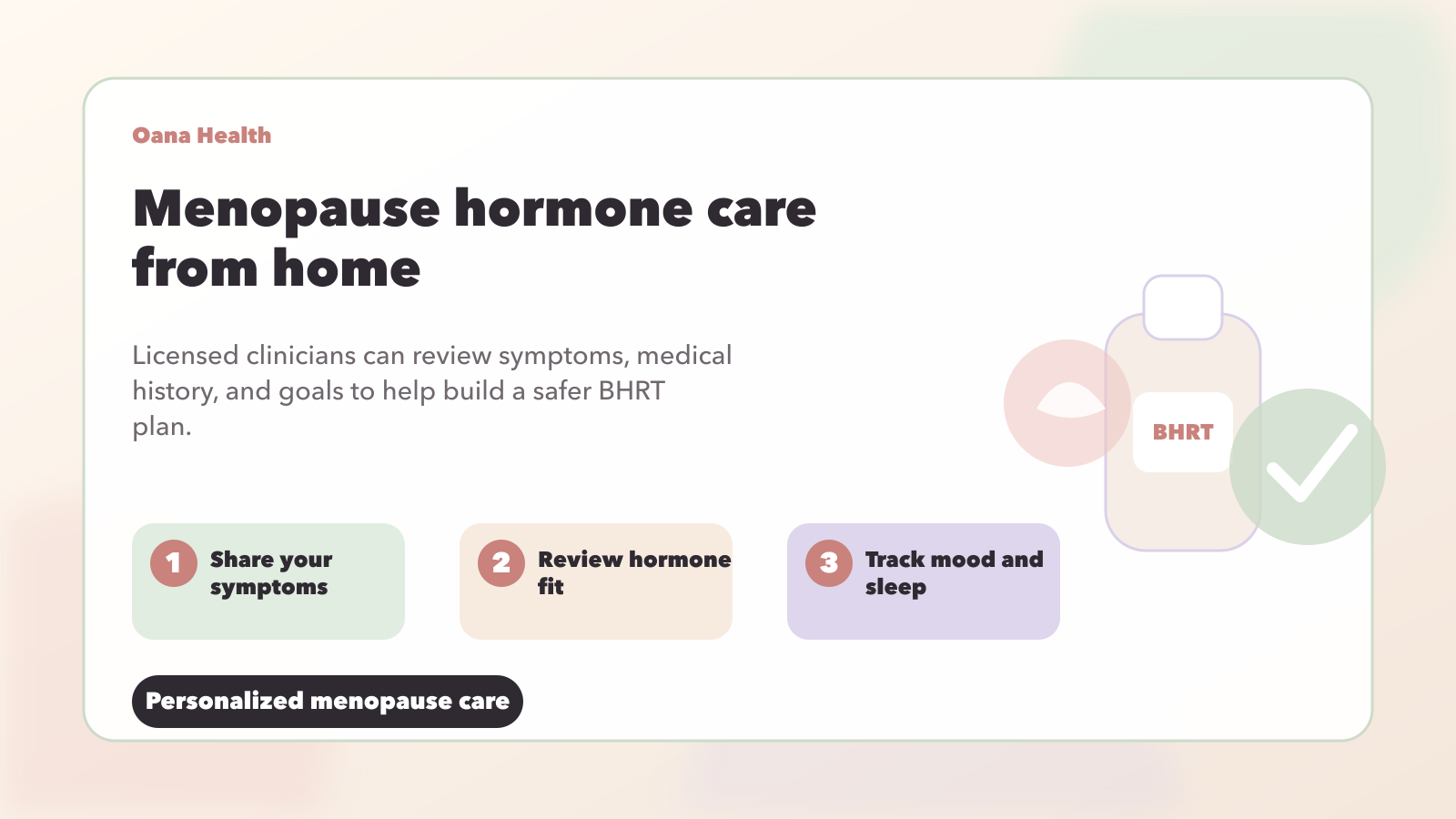
In addition to BHRT and lifestyle changes, personalized telehealth care offers a more tailored way to achieve hormonal balance.
Telehealth Solutions for Hormonal Health
Get expert hormonal care without leaving your home. Oana Health connects you with licensed specialists in hormonal and mental health. Considering there are only around 3,000 certified menopause providers for an estimated 75 million menopausal individuals, this access is crucial.
Treatments are grounded in science, including Bioidentical Hormone Replacement Therapy (BHRT). These plant-based hormones are chemically identical to the ones your body naturally produces. For instance, estrogen replacement can help stabilize serotonin levels, improving mood, while progesterone therapy supports relaxation and better sleep quality.
Convenient and Accessible Care
Oana Health removes the hurdles to getting the care you need. You can complete an online consultation whenever it fits your schedule, and treatments are delivered straight to your door with free shipping. Licensed healthcare providers review your health history to create a treatment plan that’s specifically designed for you.
This service fills a critical gap in menopause care. Shockingly, fewer than 20% of OBGYN residents receive formal training in menopause medicine. By connecting you with specialists who truly understand hormonal health, Oana Health ensures you’re working with professionals who can address the biological roots of your symptoms.
Customized Treatment Plans
Oana Health develops personalized care plans based on your unique health profile. This includes lab results, medical history, sleep habits, and stress levels. These factors help determine the best hormone dosing and delivery method - whether that’s pills, patches, or gels. Most women notice improvements in mood stability within 4 to 8 weeks.
The platform also integrates treatments for related conditions. For example, Oana Health offers Bupropion XL for $25/month to support mental health and Metformin to manage insulin resistance, which can contribute to mood swings. By addressing hormonal imbalances alongside other health concerns, Oana Health’s approach amplifies the benefits of BHRT. This holistic care model prioritizes your emotional well-being while tackling multiple aspects of your health.
Conclusion
Mood swings during menopause aren't something you just have to live with - they're a real medical symptom caused by hormonal changes.
About 1 in 3 women report significant emotional shifts during menopause. However, many notice improvement within 4 to 8 weeks of starting personalized bioidentical hormone replacement therapy (BHRT). Estrogen replacement helps regulate serotonin, which supports mood balance, while progesterone aids relaxation and improves sleep - both essential for emotional well-being.
Hormone therapy, though, works best when paired with a well-rounded approach. Women who prioritize healthy eating and regular exercise can reduce menopause symptoms, including mood swings, by 24%. Incorporating stress management practices like yoga or meditation, along with maintaining a steady sleep routine, enhances the benefits of BHRT. This combined strategy creates a foundation for better emotional health.
Personalized care is key. Tailored treatments based on lab results, medical history, and symptoms ensure hormone therapy is both effective and safe. Whether it's pills, patches, or gels, finding the right delivery method can make a big difference.
Timing also matters. Starting therapy within the "critical window" - usually within 10 years of menopause onset or before age 60 - can maximize benefits while reducing risks. If mood swings are affecting your quality of life, consulting a specialist in hormonal health can help you regain balance and feel like yourself again.
FAQs
How can BHRT help with mood swings during menopause?
Bioidentical Hormone Replacement Therapy (BHRT) is designed to address the ups and downs in estrogen and progesterone levels that often trigger mood swings during menopause. By helping to stabilize these hormones, BHRT can potentially ease emotional turbulence, lessen anxiety, and help lift feelings of depression.
What sets BHRT apart is its personalized approach. It directly targets hormonal imbalances, providing a tailored, research-based solution for managing the emotional challenges tied to menopause, while also contributing to an improved sense of well-being.
What are the potential risks of bioidentical hormone replacement therapy (BHRT)?
Bioidentical Hormone Replacement Therapy (BHRT) can help alleviate menopause-related symptoms, but it’s not without potential risks. These risks might include a higher chance of blood clots, stroke, breast cancer, and other side effects. The level of risk often depends on several factors, such as the specific hormone used, the dosage, how it's administered, and how long the treatment lasts.
To make an informed decision, it’s essential to review your medical history and address any concerns with a licensed healthcare provider. They can help you weigh the benefits and risks to see if BHRT is a suitable choice for you.
How can lifestyle changes improve the results of BHRT for menopause symptoms?
Incorporating healthy habits into your daily routine can make a big difference when it comes to the effectiveness of bioidentical hormone replacement therapy (BHRT) for managing menopause symptoms like mood swings, hot flashes, and trouble sleeping. For instance, regular exercise - whether it’s brisk walking or strength training - can give your endorphins a boost and improve insulin sensitivity, which works hand-in-hand with BHRT’s mood-stabilizing benefits. Pair that with a well-rounded diet full of vegetables, fruits, lean proteins, healthy fats, and phytoestrogen-rich foods like soy and flaxseed, and you’re helping your body maintain steady hormone levels while keeping inflammation in check.
On top of that, prioritizing 7–9 hours of quality sleep each night, practicing stress management techniques like yoga or mindfulness, and steering clear of alcohol, caffeine, and smoking can further support hormone balance. When these lifestyle adjustments are combined with a personalized BHRT plan, the results can be more consistent symptom relief and an overall boost to your well-being. Oana Health provides tailored, science-based BHRT treatments, often paired with practical lifestyle guidance, to help women feel their best as they navigate menopause.