
Semaglutide vs. Tirzepatide: Mental Health Effects
Semaglutide (Ozempic/Wegovy) and tirzepatide (Mounjaro/Zepbound) are injectable medications widely used for weight management, particularly in individuals with obesity, insulin resistance, or PCOS. While they support weight loss and metabolic health, their effects on mental health are mixed. Both drugs act on brain pathways tied to mood, reward, and appetite, potentially influencing mental well-being.
Key findings:
- Semaglutide has been linked to higher odds of depression (1.87x) and suicidal behavior (1.73x) in some reports, though clinical trials show no consistent increase in psychiatric risks.
- Tirzepatide shows fewer psychiatric safety signals, with only four reported suicidal events in European data, but long-term research is limited.
- Both drugs may improve mood indirectly through weight loss and better metabolic control but require monitoring for rare side effects like depression or suicidal thoughts.
Quick Comparison:
| Factor | Semaglutide | Tirzepatide |
|---|---|---|
| Depression Risk | Higher signal (1.87x) | No significant signal |
| Suicidal Ideation Risk | Higher signal (1.73x) | Few reported cases |
| Psychiatric Data Volume | Extensive | Limited (newer drug) |
| Reported Suicidal Events | ~50% of GLP-1 cases | 4 cases (Europe data) |
Patients with a history of mental health challenges should undergo regular screenings during treatment. Tools like telehealth platforms can help monitor mood changes and ensure safe, effective use of these medications.
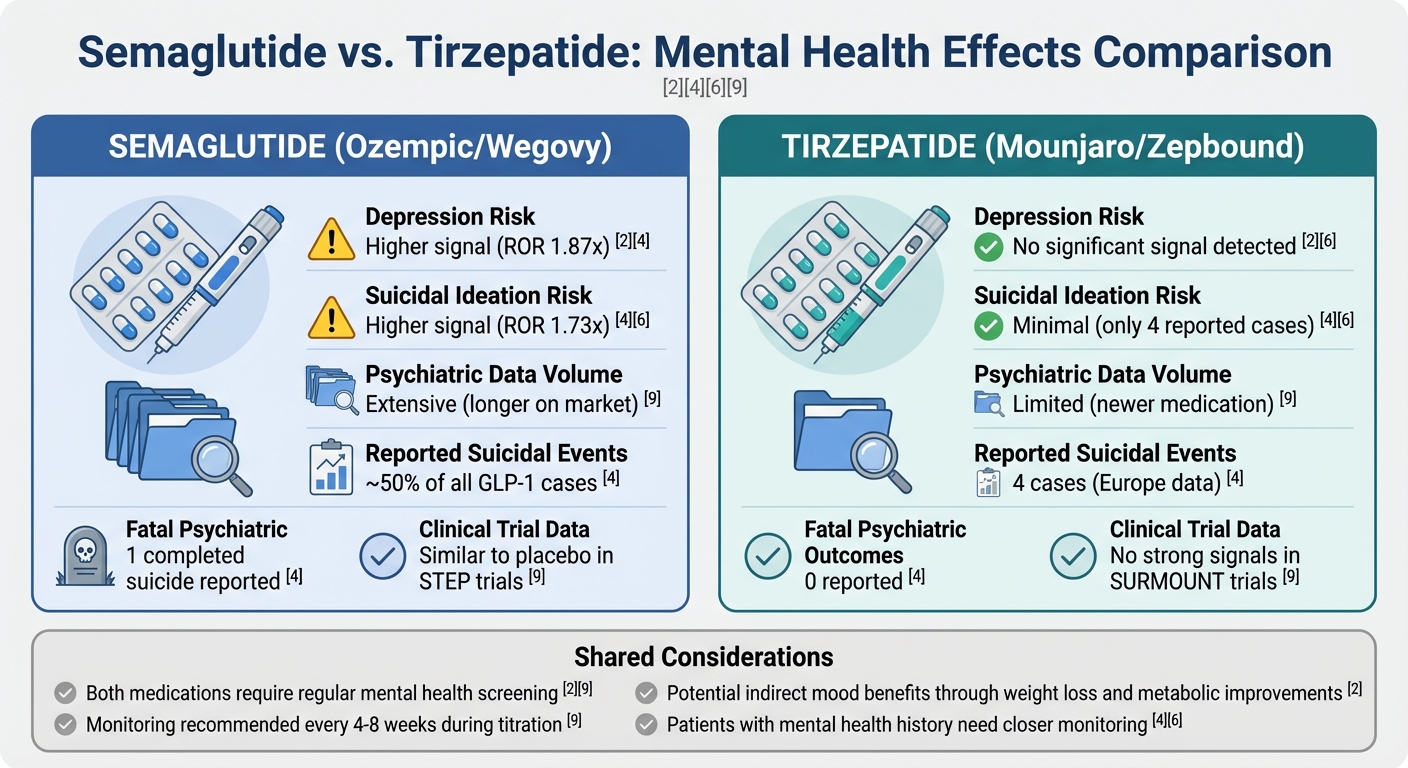
Semaglutide vs Tirzepatide Mental Health Effects Comparison
How GLP-1 and GIP Medications Affect Mental Health
Brain Effects of GLP-1 and GIP
Semaglutide and tirzepatide, two medications designed to mimic natural gut hormones, also influence brain function. GLP-1 receptors are found in key brain areas like the hypothalamus, hippocampus, and amygdala, which are involved in regulating hunger, mood, and stress. When semaglutide activates these receptors, it reduces appetite and food cravings by dampening the brain's reward response to eating. This can be particularly helpful in addressing binge eating or emotional eating, which are common struggles for many women.
Tirzepatide, on the other hand, targets both GLP-1 and GIP receptors in the brain. This dual action may enhance its effects on mood and energy regulation, although research into its mental health benefits in humans is still in early stages. Studies in lab settings suggest that GLP-1 receptor agonists can protect brain health by lowering inflammation, boosting mitochondrial function, and improving neuronal communication. These effects may help enhance mood and cognitive function, especially in individuals dealing with chronic inflammation caused by obesity or insulin resistance.
The physical improvements these medications promote - such as better blood sugar control, reduced insulin resistance, and lower systemic inflammation - can also positively impact mental health. Stable blood sugar levels can alleviate fatigue, irritability, and brain fog, which often worsen anxiety and depression. Meanwhile, weight loss may reduce physical discomfort, improve sleep, and increase confidence. However, the effects on mood aren't always straightforward. While some patients report feeling more optimistic and energized, there have been reports of depression and suicidal thoughts, particularly with semaglutide.
These brain and metabolic effects are especially significant for women managing hormonal and metabolic challenges.
Mental Health Effects in Women with PCOS and Insulin Resistance
For women with PCOS, these medications may offer both substantial mental health benefits and unique challenges. Women with PCOS are more likely to experience depression and anxiety compared to those without the condition. This is often tied to hormonal imbalances, insulin resistance, chronic inflammation, and the emotional toll of symptoms like acne, excess facial hair, and irregular menstrual cycles. By improving insulin sensitivity and encouraging weight loss, medications like semaglutide or tirzepatide can help boost energy, enhance body image, and improve overall mood.
Since mood disorders in PCOS are closely linked to hormonal imbalances, inflammation, and metabolic stress, these medications may provide greater psychological relief for this group compared to others. However, women with PCOS often face societal pressures related to weight, which can make them more vulnerable to body image issues and disordered eating. Unrealistic expectations for rapid results - or discouragement from side effects like nausea or constipation - could lead to frustration, diminished self-esteem, or worsening mental health if proper support isn't in place. Programs like Oana Health aim to address these challenges by combining metabolic treatments with emotional support, offering personalized care starting at $199 per month.
Ozempic, Wegovy, and Mental Health: Are GLP-1 Drugs Linked to Suicidal Thoughts?
Mental Health Effects of Semaglutide
Semaglutide, a GLP-1 therapy, interacts with the brain and metabolism in complex ways, leading to a nuanced mental health profile.
Effects on Mood and Anxiety
Large clinical trials of semaglutide at a 2.4 mg dose found no consistent rise in depression or anxiety, even when assessed with tools like the PHQ-9 and Columbia-Suicide Severity Rating Scale. This held true for participants with preexisting psychiatric conditions, who made up about a quarter of the study group.
While some patients may experience mood improvements due to weight loss, these benefits aren't universal. Importantly, the drug itself hasn’t been shown to directly enhance mental health.
Psychiatric Side Effects
Although clinical trials offer reassuring findings, post-marketing data has flagged some rare psychiatric side effects. Between January 2018 and September 2023, adverse-event databases recorded 14,435 reports involving semaglutide. Among these, there were notable signals for depression (Reporting Odds Ratio 1.87) and suicide/self-injury (ROR 1.73). Another analysis of the WHO database identified 107 reports of suicidal ideation linked to semaglutide, showing a 45% higher reporting risk compared to several other diabetes treatments, particularly in patients with anxiety or depression.
In Europe, an analysis of the EudraVigilance database from January 2021 to May 2023 found psychiatric events accounted for just 1.2% of all adverse reports related to GLP-1 agonists like semaglutide. Across 372 psychiatric adverse-event reports for semaglutide, liraglutide, and tirzepatide, the most common issues were depression (50%), anxiety (39%), and suicidal ideation (20%). There was one death attributed to semaglutide in this dataset. However, it’s essential to note that these findings come from signal-detection studies, which can’t confirm causation. Instead, they highlight the need for close monitoring of high-risk patients.
In contrast, real-world data paints a different picture. A large analysis of U.S. electronic health records by Epic Research, involving over 3,500 trial participants, found no increased risk of mental health issues in patients without a history of major mental illness who used semaglutide for obesity or diabetes. Interestingly, among patients without diabetes, those taking semaglutide were less likely to receive a depression diagnosis compared to matched non-GLP-1 users.
How Weight Loss Affects Mental Health
Weight loss can have a significant impact on mental well-being. Improved body image and mobility often lead to reduced anxiety and depression. Additionally, shedding weight may alleviate obesity-related stigma, further boosting mood. However, rapid weight loss can sometimes complicate a person’s relationship with food and self-image, potentially leading to stress or disordered eating behaviors.
Changes in social interactions and identity can also contribute to emotional challenges. For instance, being treated differently at work or in personal relationships might feel unsettling. For individuals with a history of disordered eating, shifts in eating patterns during weight loss could trigger restrictive behaviors or binge-purge cycles. These psychological effects, while not directly caused by the drug, underscore the importance of paying attention to the broader emotional and social dimensions of weight loss.
Mental Health Effects of Tirzepatide
Tirzepatide, a dual GLP-1/GIP receptor agonist, is primarily used for managing type 2 diabetes and weight loss. While it’s a newer option compared to semaglutide, long-term data on its psychiatric effects are still emerging. Early findings, however, suggest it may have a promising impact on mental health.
Potential Benefits for Mood and Behavior
Initial case reports indicate that tirzepatide may positively affect mood, anxiety, sleep, motivation, and binge-eating behaviors, often noticeable shortly after dose adjustments. One case involving two patients observed improvements in mood and anxiety during tirzepatide initiation or dose increases, with symptoms worsening during tapering - changes that appeared independent of antidepressant use.
In another notable case, a 36-year-old woman with depression and binge-eating disorder experienced a dramatic improvement in her PHQ-9 score, dropping from 14 to 1, alongside nearly 50 pounds of weight loss over five months on tirzepatide (titrated to 7.5 mg). She reported feeling “in the best mood,” becoming more socially active, and freeing herself from negative self-talk. Interestingly, these mood improvements were evident within days of dose increases, well before significant weight loss occurred, and appeared to follow a dose-dependent pattern.
These findings hint at potential direct effects on the brain, beyond the psychological benefits of weight loss. Possible mechanisms include reduced neuroinflammation, enhanced mitochondrial function, neurogenesis, and changes in reward and stress pathways. Patients also report fewer food cravings, reduced "food noise", and less binge-eating, which may alleviate feelings of shame and distress around eating.
These early observations open the door to exploring tirzepatide’s broader role in mental health.
Psychiatric Safety Data and Research Gaps
While initial reports highlight potential benefits, larger datasets also paint a reassuring picture of tirzepatide’s psychiatric safety. Post-marketing data show low rates of psychiatric side effects. For example, between January 2021 and May 2023, a European analysis of 31,444 reports for semaglutide, liraglutide, and tirzepatide combined found that tirzepatide accounted for only 740 reports (2.3%), with just four cases of suicidal events linked to its use. Additionally, a U.S. pharmacovigilance study analyzing 15,597 tirzepatide reports found no significant signals for depression or suicidality and a mortality rate of just 0.26%, lower than other anti-obesity medications.
Unlike semaglutide, which has shown higher rates of depression and suicidality in some reports, tirzepatide consistently demonstrates fewer adverse psychiatric cases. A 2025 real-world study in Frontiers in Psychiatry further supported this, showing tirzepatide was linked to a lower risk of suicidal ideation or attempts compared to other weight-loss medications.
However, gaps in research remain. Most clinical trials for tirzepatide, such as the SURMOUNT series, focus on gastrointestinal side effects and provide limited data on psychiatric outcomes. There is a lack of long-term studies on depression, anxiety, or suicidality, and trials often exclude individuals with unstable psychiatric conditions. Groups that require further study include those with severe mood or anxiety disorders, active substance use, eating disorders, adolescents, and women with PCOS or perinatal mood conditions.
To better understand tirzepatide’s psychiatric safety, population-level studies and dedicated trials are needed. These would help determine whether it carries risks typical of its drug class or differs from other weight-loss medications.
sbb-itb-6dba428
Semaglutide vs. Tirzepatide: Mental Health Comparison
Evidence and Risk Comparison
When comparing semaglutide and tirzepatide, one of the key distinctions lies in how much psychiatric data is available for each. Semaglutide has been on the market longer, giving researchers more time to gather trial results, post-marketing data, and psychiatric studies. Tirzepatide, being newer, has fewer reports and shorter follow-up periods, meaning the absence of evidence doesn’t necessarily equate to safety.
Looking at real-world data, a study of 38,316 adverse event reports for weight-loss medications revealed some concerning trends. Semaglutide showed notable safety signals for depression (ROR 1.87) and suicide/self-injury (ROR 1.73), while tirzepatide didn’t show any significant signals for these issues. Another review of a European database found that 50% of suicidal events related to GLP-1/GIP drugs were connected to semaglutide, compared to just four events tied to tirzepatide. Additionally, tirzepatide had no fatal psychiatric outcomes, while semaglutide was linked to one completed suicide.
| Factor | Semaglutide | Tirzepatide |
|---|---|---|
| Evidence volume | Extensive trials and post-marketing data | Limited long-term data; newer medication |
| Depression signal | ROR 1.87 in studies | No significant signal detected |
| Suicidal ideation signal | ROR 1.73; ~50% of GLP-1/GIP suicidal events | Only 4 events reported; no significant signal |
| Fatal psychiatric outcomes | 1 completed suicide reported | 0 reported |
| Mortality rate | Not specified for weight-loss use | 0.26% (lowest among anti-obesity medications) |
| Trial psychiatric data | Similar to placebo in STEP trials | No strong signals in SURMOUNT trials |
| Monitoring recommendations | Screen for depression/suicidal ideation | Screen for depression/suicidal ideation |
Regulatory agencies continue to emphasize the importance of mental health monitoring for all GLP-1 receptor agonists, recommending regular screening for depression and suicidal ideation. While semaglutide’s stronger safety signals may partly reflect its broader use and media coverage, clinicians should remain cautious and alert.
These findings highlight the importance of considering hormonal factors, particularly in women with PCOS, when evaluating mental health outcomes.
Hormonal Factors in Women with PCOS
Emerging research suggests that tirzepatide’s more pronounced weight-loss effects may offer additional benefits for addressing hormonal imbalances associated with PCOS. The medication’s ability to promote greater weight loss and reduce insulin levels could translate into improved mood and hormonal regulation. For example, the SURMOUNT-5 trial demonstrated tirzepatide’s success in achieving superior weight reduction along with quality-of-life improvements, including better physical functioning and emotional well-being. However, rapid metabolic changes might sometimes lead to temporary mood swings.
For women with PCOS, mental health challenges often stem from a combination of issues - such as concerns about fertility, hirsutism, acne, and weight stigma. Addressing these factors comprehensively, alongside medication, is critical for improving mental health outcomes. Telehealth platforms like Oana Health are stepping in to fill this gap by offering remote mental health screening, consistent mood tracking, and personalized treatment plans. These services can be especially helpful for women using semaglutide or tirzepatide.
At present, there’s no strong evidence to confirm that tirzepatide’s dual GLP-1/GIP mechanism has a clear psychiatric advantage or disadvantage compared to semaglutide’s GLP-1-only approach. Both medications share similar considerations within their class, and the choice between them should be guided by an individual’s medical history, metabolic needs, and ongoing monitoring.
Monitoring Mental Health During Treatment
Initial Assessment and Regular Monitoring
When it comes to managing mental health risks associated with semaglutide and tirzepatide, careful monitoring is a must. Before beginning treatment, it's essential to gather a comprehensive psychiatric history. This includes details about past or current issues like depression, anxiety, bipolar disorder, substance use, trauma, or suicidal thoughts. Using tools like the PHQ-9 and GAD-7 to establish baseline mental health scores can provide a solid starting point for tracking changes over time. Research suggests that individuals with pre-existing mental health conditions may be more likely to experience suicidal ideation while on GLP-1 therapy. Although psychiatric symptoms account for about 1.2% of adverse event reports related to GLP-1 medications, common issues include depression, anxiety, and suicidal thoughts. Initial assessments should cover mood, sleep patterns, appetite, and any self-harm thoughts.
Patients should be monitored every 4–8 weeks during the titration phase and every 3–6 months once the treatment stabilizes. Those with a history of mental health challenges may need more frequent check-ins. Simple questionnaires repeated at each visit can help identify trends and flag emerging concerns. Safety guidelines stress the importance of staying alert for suicidal thoughts or behaviors. Patients and their families should be encouraged to report any noticeable changes in mood or behavior immediately. Tools like short surveys during appointments, secure portal updates, and follow-up calls after dose changes can create a framework for consistent monitoring and timely intervention.
Managing Mental Health Side Effects
If new mental health symptoms arise, starting with small adjustments can often prevent the need to discontinue treatment. For mild or moderate symptoms, consider slowing the titration process or reducing the dose. This is particularly helpful if these symptoms occur alongside physical side effects like nausea or disrupted sleep. It's also important to explain to patients that GLP-1 and GIP medications influence appetite and brain reward pathways, which might contribute to mood fluctuations. Open communication and adjusting dosing schedules can help ease mild concerns. Data from clinical trials show that rates of depression and suicidal ideation are comparable between semaglutide and placebo groups, suggesting that continuing treatment with close monitoring is often appropriate for stable, mild symptoms.
Key approaches include increasing the frequency of check-ins, initiating or optimizing therapies like cognitive behavioral therapy, and promoting healthy habits such as good sleep hygiene, physical activity, and social connections - especially during periods of rapid weight loss. If symptoms persist, worsen, or interfere with daily life, it’s critical to involve a mental health specialist and reassess the risks and benefits of the medication. Warning signs that demand immediate attention include sudden, overwhelming sadness; heightened anxiety or panic; new thoughts of self-harm or suicide; severe sleep disruptions; or dramatic personality changes noticed by loved ones. Regulatory guidelines advise stopping the medication and seeking urgent care - whether through an emergency room, crisis hotline, or psychiatric evaluation - if suicidal behaviors or thoughts develop. For ongoing support, telehealth services can play a key role in ensuring patient safety when in-person care isn’t enough.
Telehealth Support for Treatment
Telehealth offers a practical way to manage treatment schedules for semaglutide and tirzepatide while keeping a close eye on mental health. Platforms like Oana Health combine weight-loss medication management with evaluations of factors like female hormones, PCOS, insulin resistance, and mental health. These services provide personalized virtual care, including prescription management and home delivery, making it easier for patients to stay on track without frequent in-person visits.
Patients can maintain daily or weekly logs to monitor their mood, anxiety, energy levels, sleep quality, and appetite. Journaling about emotional reactions to eating habits or body changes can also shed light on emerging mental health concerns, including any self-harm thoughts. Involving a trusted family member or friend during virtual appointments can provide additional insights into behavioral or personality changes that might otherwise go unnoticed. Clinicians should equip patients with clear, written instructions on what symptoms to watch for and how to quickly reach their care team if needed. By combining telehealth with proactive communication, patients and providers can work together to address mental health challenges effectively.
Conclusion
Both medications, semaglutide and tirzepatide, appear to carry a low risk of psychiatric side effects when used for weight loss. Semaglutide has shown rates of depression and suicidal ideation comparable to placebo, while tirzepatide has presented even fewer risk signals in clinical studies and databases. Though rare, serious reports of depression, anxiety, and suicidal thoughts have led to regulatory warnings. Most patients, however, tolerate these medications well, especially with careful mental health monitoring.
When comparing the two, subtle differences emerge. Semaglutide has been associated with slightly higher reporting odds ratios for depression and self-injury compared to tirzepatide, which has only four reported suicidal events in European databases. Additionally, real-world studies suggest GLP-1 medications might reduce the likelihood of new depression and anxiety diagnoses, particularly in non-diabetic patients. However, tirzepatide’s psychiatric safety data is based on smaller sample sizes and shorter follow-up periods, leaving room for further research.
The mental health benefits tied to substantial weight loss are worth noting. Many patients experience improved self-esteem, better mobility, and enhanced quality of life. Some report greater control over emotional eating, fewer binge episodes, and reduced "food noise", which can alleviate anxiety around food and body image. For women with PCOS or insulin resistance, weight loss and metabolic improvements can also lead to better mood and increased body confidence over time. These positive effects highlight the importance of tailoring treatment to each individual’s unique needs and goals.
Proactive mental health monitoring is crucial throughout treatment. Choosing the right medication should involve a balance of factors, including a patient’s mental health history, metabolic needs, side-effect tolerance, and access to care. For those with a history of depression, anxiety, or suicidal behavior, baseline mental health assessments and ongoing follow-ups are essential, regardless of the medication prescribed. Telehealth services like Oana Health can support this process by combining weight-loss medication management with evaluations for female hormones, PCOS, insulin resistance, and mental health through personalized virtual care.
Regular screening for mood disorders, monitoring behavioral changes, and involving trusted family members can help detect concerns early. If mental health issues arise, adjustments such as modifying doses, slowing titration, or consulting mental health professionals may allow patients to continue treatment safely. With thoughtful care and a tailored approach, both semaglutide and tirzepatide can be effective tools for weight management while supporting mental well-being.
FAQs
Do semaglutide and tirzepatide affect mental health?
While studies on the mental health effects of semaglutide and tirzepatide are still in their early stages, some patients have shared experiences of mood shifts, anxiety, or even depression. These reactions aren’t fully understood yet and can differ widely from one person to another.
If you experience any noticeable changes in your mental health while taking these medications, make sure to bring it up with your healthcare provider. Addressing these concerns early can help ensure your treatment remains both safe and supportive of your overall well-being.
What are the effects of semaglutide and tirzepatide on mood and anxiety?
Semaglutide and tirzepatide may impact mood and anxiety, but their effects can differ widely between individuals. For some, these medications seem to boost mood, potentially as a result of weight loss and improved metabolic health. On the flip side, others have reported side effects such as mood swings or heightened anxiety.
Since reactions vary, keeping an eye on any mental health changes while taking these medications is crucial. If concerns arise, it’s important to talk with a healthcare provider. Ongoing research aims to shed more light on how these drugs influence mental well-being.
What should people with a history of mental health concerns know before starting Semaglutide or Tirzepatide?
If you have a history of mental health conditions, it's important to talk to your healthcare provider before starting medications like Semaglutide or Tirzepatide. These treatments can sometimes lead to mental health-related side effects, so reviewing your medical history with your provider can help determine if they're a good fit for you.
While taking these medications, keep a close eye on your mood and overall mental well-being. If you experience symptoms such as increased anxiety, feelings of depression, or noticeable changes in your mental health, contact your provider immediately. Staying in regular communication with your healthcare team ensures any concerns can be addressed early, helping you stay on track with your treatment.