
Spironolactone vs Flutamide: Patient Reviews
Struggling with hirsutism and deciding between Spironolactone and Flutamide? Here's the bottom line:
- Spironolactone is a steroidal antiandrogen often prescribed for hirsutism caused by PCOS. It reduces androgen effects but may cause menstrual irregularities (up to 50% of users) and requires patience - results typically take 6–12 months.
- Flutamide, a pure antiandrogen, offers faster results (as early as 3 months) and fewer menstrual issues but comes with a rare risk of liver toxicity (0.03%).
Both medications improve hair growth and skin conditions like acne, but side effects and treatment timelines vary.
Quick Comparison
| Factor | Spironolactone | Flutamide |
|---|---|---|
| Results Timeline | 6–12 months | 3–6 months |
| Hirsutism Reduction (6M) | ~30–41% | ~39.5–46.4% |
| Acne Improvement | ~50% | ~80% |
| Side Effects | Menstrual irregularities (50%) | Liver concerns (0.03%), dry skin |
| Discontinuation Rate | 15% | 3.7% |
Key takeaway: Spironolactone is slower but widely used, while Flutamide offers quicker results with some added risks. Regular monitoring is essential for both treatments.
Want more details? Keep reading for patient insights, study data, and how these medications compare in effectiveness and side effects.
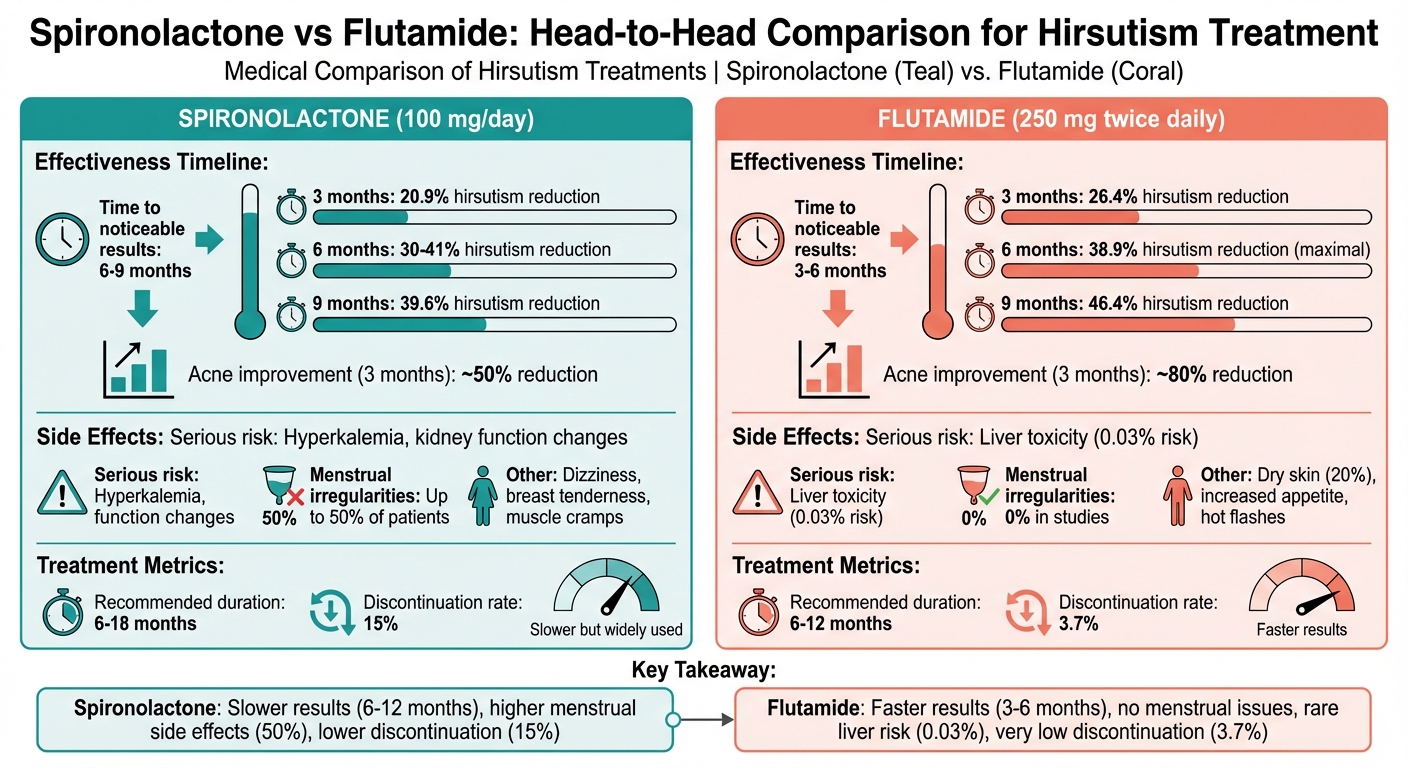
Spironolactone vs Flutamide Comparison: Effectiveness, Timeline, and Side Effects
HIRSUTISM (Unwanted Facial and Body Hair in women) Cause and Treatment by Dr Tanvi Mayur Patel
How Patient Reviews Were Collected
The patient reviews highlighted in this article are based on data from randomized controlled trials (RCTs) and prospective clinical studies carried out at respected academic institutions like Marmara University and Laval University. These studies closely monitored patient outcomes, providing a strong foundation for comparing treatment effectiveness.
To ensure objective results, researchers used the Ferriman-Gallwey (F-G) scoring system. In some cases, advanced tools like computer-assisted light microscopy measured hair shaft diameters from the linea alba. For instance, one 6-month study involving 40 women found that hair diameter decreased by 11.7% with Spironolactone and 18.0% with Flutamide.
Safety was also a top priority. Double-blind protocols were implemented to eliminate bias. Monthly check-ins included interviews and blood tests to monitor for side effects, such as liver, kidney, and hormone changes. This careful tracking helped identify challenges like menstrual irregularities and dry skin.
Spironolactone Patient Reviews: Results and Effectiveness
Spironolactone works by blocking androgen receptors and reducing ovarian androgen production, making it a targeted treatment for hirsutism. Research by P. Moghetti et al. (2000) revealed promising results: a 41% reduction in Ferriman-Gallwey scores and an 11.7% decrease in hair shaft diameter after six months of taking 100 mg daily.
However, patience is key. Many patients don’t see noticeable changes until about six months into treatment, with the best results typically appearing between six and 18 months. As Dr. Richard Sadovsky explained:
Drug therapy requires six to 18 months for maximal results.
These results provide a foundation for understanding the experiences - both positive and challenging - shared by patients.
Benefits Patients Reported
In addition to reducing unwanted hair, many patients noticed improvements in their skin. A study of 53 women reported a 50% reduction in acne and oily skin within three months and a 30% drop in hirsutism scores by six months when Spironolactone was combined with a triphasic oral contraceptive.
Patients also highlighted hormone regulation and a decrease in terminal hair density as benefits. Compared to those on placebo, individuals taking Spironolactone were 7.18 times more likely to report subjective improvements in hair growth.
Challenges Patients Faced
Menstrual irregularities were a frequent issue. In one study, 56% of women taking 200 mg daily experienced intermenstrual bleeding, leading 68% to either lower their dosage or stop the medication entirely.
Other common side effects included increased urination (polyuria), headaches due to low blood pressure, fatigue, and dry skin. Because Spironolactone can impact potassium levels, regular blood tests are essential - usually starting two to four weeks after treatment begins. Additionally, contraception is necessary during treatment to prevent fetal feminization.
Flutamide Patient Reviews: Results and Effectiveness
Flutamide, a pure antiandrogen that blocks testosterone receptors, is known for delivering results quickly. Clinical studies highlight its effectiveness, showing a 26.4% reduction in hirsutism scores after three months, which increased to 39.5% at six months and 46.4% at nine months. Additionally, after six months of treatment, the diameter of hair shafts decreased by 18%.
Patients also reported significant improvement in other symptoms. By the three-month mark, there was an 80% reduction in acne, seborrhea, and hair loss. In comparative trials, those on Flutamide were 17 times more likely to notice visible improvements compared to those on a placebo. Over a three-year period, 95% of patients expressed satisfaction, with the most pronounced benefits observed around the two-year mark. These results show Flutamide’s impact extends well beyond hair reduction.
Benefits Patients Reported
Apart from reducing hair growth, patients saw a dramatic 80% improvement in acne and oily skin within three months. Dr. Leonello Cusan’s research team noted:
The present data obtained in a randomized prospective study clearly demonstrate that the pure antiandrogen flutamide is superior to spironolactone in the treatment of female hirsutism and its related androgen-dependent symptoms and signs in women.
One notable advantage is that Flutamide typically doesn’t cause menstrual irregularities. For instance, in a comparative study, 0% of Flutamide users reported menstrual problems, while 50% of Spironolactone users did. This makes it a more appealing option for many women.
Challenges Patients Faced
While Flutamide offers clear benefits, it’s not without challenges. Liver health is a major concern, as 6% of patients discontinued treatment due to elevated liver enzymes. Regular blood tests are essential, especially at higher doses, to monitor liver function. Other side effects include dry skin and increased appetite, affecting around 20% of patients, as well as occasional gastrointestinal discomfort. Additionally, strict contraception is required to avoid birth defects.
Cost and the need for long-term commitment also pose hurdles. Treatment often requires six to 12 months to achieve optimal results, and stopping the medication can lead to hair regrowth. Over a three-year period, about 20% of patients discontinued treatment due to side effects or other concerns. However, in one study, only 10% of Flutamide users stopped due to side effects, compared to 40% in the Spironolactone group.
Flutamide’s effectiveness comes with trade-offs, but for many, the benefits outweigh the challenges. Regular monitoring and adherence to treatment guidelines are key to managing its risks effectively.
Side Effects: Spironolactone vs Flutamide
Both Spironolactone and Flutamide come with their own set of side effects, and understanding these is key when deciding on a treatment plan.
Spironolactone Side Effects
Spironolactone is known to cause menstrual irregularities. In a study involving 40 women, 5 participants experienced irregular bleeding. Dr. Richard Sadovsky, M.D., from the American Academy of Family Physicians, highlighted:
Spironolactone and cyproterone acetate are the most commonly used agents, but they are associated with frequent menstrual irregularity.
Such side effects can be significant enough to lead some patients to stop treatment. In one study, about 15% of Spironolactone users discontinued the medication due to adverse effects.
Other commonly reported side effects (affecting more than 1% of users) include dizziness, nausea, muscle cramps, fatigue, and breast pain or enlargement. These symptoms often occur early in treatment and tend to improve as the body adjusts. However, more serious complications like hyperkalemia (elevated potassium levels), dehydration, and reduced kidney function can occur, especially in patients with existing kidney problems or those on ACE inhibitors. To minimize these risks, patients are advised to take Spironolactone with meals, rise slowly to reduce dizziness, and consult a healthcare provider if symptoms like persistent muscle cramps arise.
Flutamide Side Effects
Flutamide's side effects are notably different, with an emphasis on liver health. The medication carries a black box warning for liver toxicity, its most serious risk. While rare, hepatic failure occurs in about 0.03% of patients (3 in 10,000). Regular liver function tests are essential during the first three months of therapy, and treatment should be stopped immediately if symptoms like jaundice or a doubling of liver enzyme levels appear.
Other common side effects include hot flashes (reported by over 50% of patients), decreased libido (36%), and gastrointestinal issues like diarrhea or nausea (around 10%). Despite these risks, Flutamide users are less likely to discontinue treatment compared to Spironolactone users - only 3.7% stopped therapy due to side effects in a comparative study, compared to Spironolactone's 15% discontinuation rate. Additional side effects like dry skin and breast tenderness have been reported, but these are generally less disruptive than the hormonal effects associated with Spironolactone.
sbb-itb-6dba428
Patient Results Comparison Table
The following table highlights key patient outcomes and side effects, offering a side-by-side look at Spironolactone and Flutamide treatments.
| Factor | Spironolactone (100 mg/day) | Flutamide (250 mg twice daily) |
|---|---|---|
| Hirsutism Reduction (3 months) | 20.9% | 26.4% |
| Hirsutism Reduction (6 months) | 30% to 41% | 38.9% to maximal reduction |
| Hirsutism Reduction (9 months) | 39.6% | 46.4% |
| Acne/Seborrhea Improvement (3 months) | ~50% reduction | ~80% reduction |
| Time to Noticeable Results | 6–9 months | 3–6 months |
| Discontinuation Rate | 15% (4 out of 27 patients) | 3.7% (1 out of 26 patients) |
| Menstrual Irregularities | Up to 50% of patients | 0% in comparative studies |
| Other Common Side Effects | Dizziness, breast tenderness, muscle cramps | Dry skin (20%), increased appetite, hot flashes |
| Serious Risks | Hyperkalemia, kidney function changes | Liver toxicity (0.03% risk) |
| Recommended Treatment Length | 6–18 months for optimal results | 6–12 months for optimal results |
This comparison emphasizes the trade-offs between the two treatments. While Spironolactone shows a higher discontinuation rate of 15% - largely due to menstrual irregularities affecting up to half of its users - Flutamide has a much lower discontinuation rate at 3.7%. However, Flutamide's rare risk of liver toxicity (0.03%) demands regular monitoring, which can limit its suitability for some patients over extended periods.
The differences in side effects, effectiveness, and risks underscore the importance of tailoring treatment plans to individual needs, balancing results with tolerance to potential side effects.
Patient Experiences with Combined Treatments
Patients often see better results when combining Spironolactone or Flutamide with other therapies. For instance, pairing these medications with oral contraceptives has shown promising outcomes. Patients using Spironolactone alongside birth control pills reported improvement rates as high as 89.9%, compared to using Spironolactone alone. This combination also helps address menstrual irregularities, a common side effect affecting up to 50% of users. Additionally, incorporating complementary procedures can further enhance these benefits.
Physical hair removal methods, like waxing, laser hair removal, and electrolysis, work hand-in-hand with these medications. By removing hair from the follicle, these methods allow the medication to more effectively reduce regrowth. One patient shared their experience:
"When the hair is removed from the follicles, the spiro stunts its regrowth. For me, if I wax it once a week, when it does regrow, it comes back barely half as thick as it used to."
– H J…, Patient Reviewer
Another patient highlighted the transformative impact of combining laser hair removal with Spironolactone:
"I have been taking it [Spironolactone] in conjunction with laser hair removal, and let me say it has been LIFE CHANGING."
– Lib…, Patient Reviewer
These accounts underscore how physical hair removal techniques can amplify the effects of medication, leading to noticeable reductions in both hair thickness and regrowth.
Lifestyle adjustments can also play a role in improving treatment outcomes. For example, one patient reported significant lightening of facial hair after combining Spironolactone with an 800-calorie diet over 3.5 months. However, because Spironolactone spares potassium, patients are advised to limit high-potassium foods - such as bananas, avocados, and salmon - to avoid the risk of potassium buildup.
Flutamide combinations have also demonstrated impressive results. Clinical trials show that pairing Flutamide with a triphasic birth control pill led to an 80% reduction in acne and seborrhea within 3 months, compared to a 50% reduction for Spironolactone. Additionally, Flutamide combinations achieved maximal hirsutism reduction within 6 months, while Spironolactone combinations only reached a 30% reduction during the same period. These results highlight the potential for faster and more pronounced improvements with Flutamide-based treatments.
However, challenges persist. Around 20% of Flutamide users reported increased appetite. Additionally, patients noted that discontinuing treatment often leads to hair regrowth, emphasizing the importance of long-term commitment to maintain results.
Oana Health Spironolactone Options for Hirsutism

Oana Health simplifies access to Spironolactone for women dealing with PCOS-related unwanted facial hair. Through their telehealth platform, patients can start with a quick 5-minute online intake form, sharing their medical history and concerns about hirsutism. U.S.-licensed providers then review the information and, if appropriate, prescribe Spironolactone. The medication is prepared at FDA-regulated pharmacies and shipped directly to your doorstep with free shipping.
The service includes ongoing support, such as automatic refills and easy access to providers via phone or messaging. Pricing is straightforward: $17 per month for Spironolactone, plus a $20 doctor consultation fee. New patients can also get $20 off their first treatment by signing up for the newsletter.
Patients have shared positive experiences with the treatment. For example, Susanne H., a Spironolactone user, said:
Discovering spironolactone changed everything for me... since starting on my treatment, I've seen dramatic improvements in my skin and hair quality.
Similarly, Virgie S. praised the service:
Oana Health provides great service! I love how easy and accessible it is to get my Spiro. Their patient support team and doctors are very eager and quick to help whenever I have questions.
These testimonials highlight the convenience and effectiveness of Oana Health’s patient-focused approach. By addressing consultations, prescriptions, and delivery in one seamless process, the platform eliminates the need for in-person visits.
For more details on accessing Spironolactone for hirsutism, visit https://spironolactone.oanahealth.com/.
What Patients Want You to Know
Here’s what patients have shared about their experiences and insights:
Patience is key for results. It typically takes 6–12 months for treatments to show their full effects. Improvements in hair diameter and density happen gradually, with noticeable changes often taking at least six months. Quick fixes aren’t realistic, so it’s important to manage expectations.
Medications alone aren’t enough to remove hair completely. While treatments can slow hair growth, they don’t eliminate it entirely. Many patients continue with methods like waxing, laser hair removal, or electrolysis alongside their prescriptions. Medications help, but they’re part of a broader approach.
Understand potential side effects before starting treatment. Research shows that 7.5% of Spironolactone users stopped due to side effects, compared to 1.8% for Flutamide. Spironolactone is linked to irregular menstrual bleeding in up to 50% of users, while Flutamide may cause issues like gastrointestinal discomfort, dry skin, or decreased libido. Knowing these possibilities can help you make an informed decision.
Flutamide may offer faster cosmetic results. For patients dealing with acne or scalp hair loss, Flutamide often delivers quicker improvements compared to Spironolactone. While Spironolactone doesn’t significantly impact scalp hair loss, Flutamide has shown notable benefits in this area. These factors are worth discussing with your provider when choosing a treatment.
Mental health matters, too. Hirsutism isn’t just a physical issue - it can deeply affect self-esteem and social interactions. Many patients face stress and emotional challenges, making psychological support an essential part of the treatment plan. Addressing both the physical and emotional aspects is crucial for overall well-being.
FAQs
What are the key differences in side effects between Spironolactone and Flutamide?
The side effects of Spironolactone and Flutamide differ because of how each medication interacts with the body.
Spironolactone, being a diuretic, often causes side effects tied to hormonal and electrolyte shifts. These can include menstrual changes, breast tenderness, and high potassium levels, which might necessitate regular blood tests to monitor potassium.
Flutamide, however, carries a greater risk of liver toxicity. Because of this, patients taking Flutamide typically need routine liver function tests to ensure their liver remains healthy during treatment.
The choice between these medications should always be made in consultation with a healthcare provider, who can weigh the risks and benefits based on individual health needs.
How do Spironolactone and Flutamide compare for treating hirsutism?
Both Spironolactone and Flutamide are effective options for managing hirsutism, with results typically becoming noticeable within 6 to 12 months. Research indicates that Flutamide might lead to faster or slightly greater symptom reduction. However, it carries a higher risk of liver toxicity, which means regular monitoring is essential. Spironolactone, while generally easier on the body, may cause side effects such as menstrual irregularities.
Deciding which treatment to use depends on factors like overall health, tolerance for side effects, and professional medical advice. Always consult a licensed healthcare provider to determine the best course of action for your situation.
How do I choose between Spironolactone and Flutamide for treating hirsutism?
When choosing between Spironolactone and Flutamide for managing hirsutism, it's essential to consider their effectiveness, possible side effects, and how they fit your individual health needs.
Spironolactone is a widely used option that works by blocking androgens, which can help reduce unwanted hair growth. However, it may lead to side effects such as menstrual irregularities or increased potassium levels. Because of this, regular potassium monitoring is recommended during treatment.
Flutamide, another androgen blocker, can also be effective but comes with a higher risk of liver toxicity. If this medication is prescribed, frequent liver function tests are crucial to ensure safety.
To determine the right choice, it's important to have an open discussion with your healthcare provider about your medical history, lifestyle, and treatment goals. Personalized care, like what Oana Health provides, can guide you toward an informed decision and offer continuous support tailored to your situation.