
FDA-Approved GLP-1 Drugs for PCOS
GLP-1 receptor agonists, like semaglutide and liraglutide, are increasingly used off-label to manage PCOS symptoms, though none are FDA-approved specifically for this condition. These medications help address insulin resistance and obesity, two key challenges in PCOS, by reducing weight, improving insulin sensitivity, and lowering testosterone levels. While effective, they come with potential side effects like nausea and carry warnings for thyroid-related risks.
Key Points:
- Not FDA-approved for PCOS: GLP-1 drugs like semaglutide (Ozempic, Wegovy) and liraglutide (Saxenda, Victoza) are prescribed off-label for PCOS.
- Benefits: Aid in weight loss, improve insulin sensitivity, and may restore ovulation and menstrual cycles.
- Side Effects: Common issues include nausea, vomiting, and diarrhea. Serious risks include thyroid tumors and pancreatitis.
- Insurance Hurdles: Coverage is limited; costs can range from $350 to $1,400 per month without insurance.
- Future Outlook: Research is ongoing, but larger and longer trials are needed to confirm safety and effectiveness for PCOS.
These medications offer promise for managing PCOS symptoms, but careful medical guidance is essential to weigh benefits and risks.
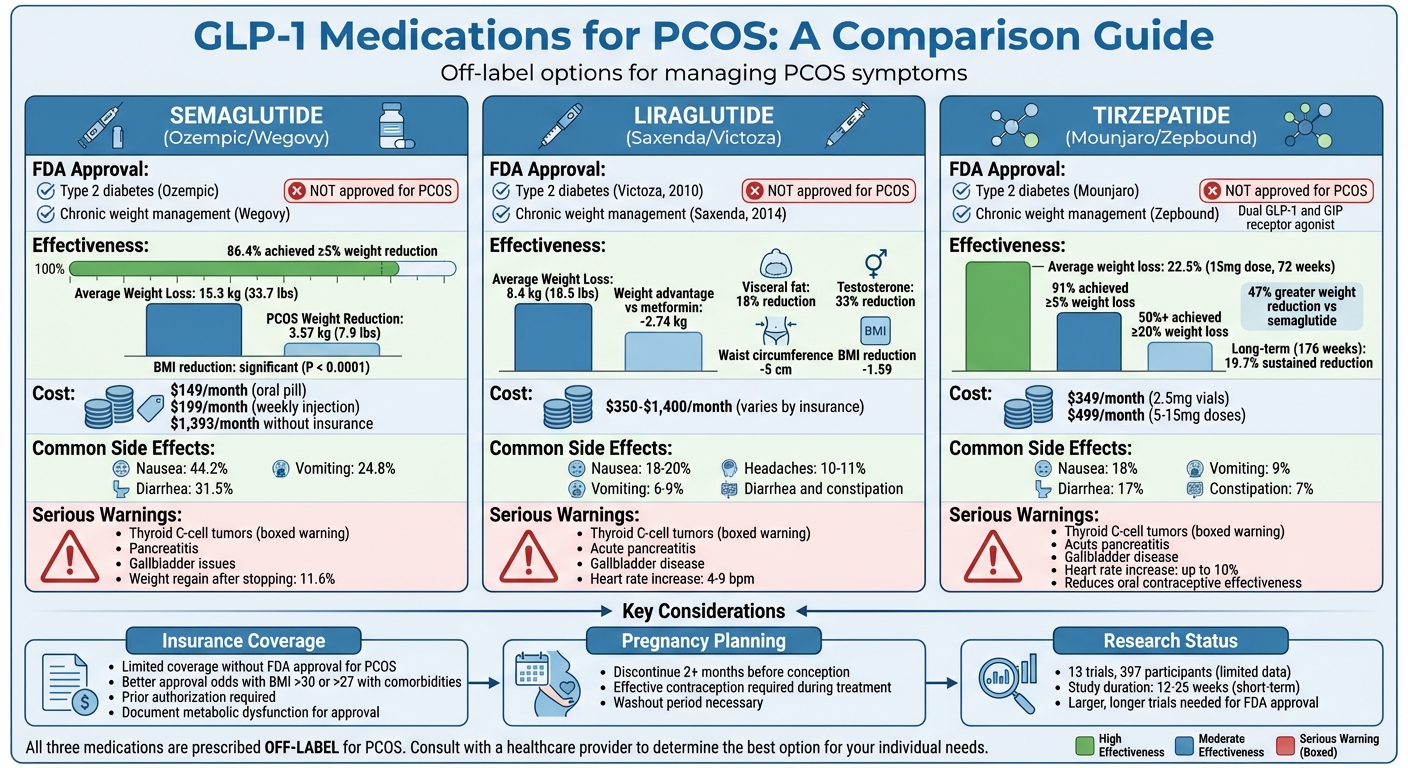
Comparison of FDA-Approved GLP-1 Drugs for PCOS Treatment
Can GLP-1 help with PCOS symptoms? What the weight-loss drugs may mean for women's treatment.
What Are GLP-1 Receptor Agonists?
GLP-1 receptor agonists, also known as incretin mimetics or GLP-1 analogs, are medications designed to mimic the natural GLP-1 hormone produced in the small intestine. This hormone plays a key role in regulating blood sugar levels and controlling appetite. These medications are approved by the FDA for managing type 2 diabetes and chronic weight issues. Their mechanism of action also makes them useful for conditions like PCOS, where insulin resistance is a common issue.
Here's how they work: GLP-1 receptor agonists stimulate insulin release after meals, suppress glucagon secretion, slow down gastric emptying, and reduce appetite by acting on the brain's hunger-regulating centers. These combined effects make them particularly effective for addressing insulin resistance, a problem that affects between 50% and 90% of people with PCOS.
By improving insulin sensitivity, these medications lower insulin levels, which in turn reduces ovarian testosterone production and alleviates PCOS symptoms. They also help decrease visceral fat and androgen levels. Research has shown that GLP-1 receptor agonists can reduce visceral adipose tissue by as much as 18% in individuals with PCOS.
The weight loss benefits are noteworthy too. In clinical trials, women with obesity and PCOS who took liraglutide at a daily dose of 3 mg experienced a 5.7% reduction in body weight. Meta-analyses reveal that GLP-1 receptor agonists often surpass metformin in promoting weight loss among PCOS patients, with some studies highlighting greater reductions in both waist circumference and BMI. These improvements in weight and insulin sensitivity can help restore regular ovulation and menstrual cycles, addressing some of the key reproductive challenges associated with PCOS.
Are GLP-1 Medications FDA-Approved for PCOS?
Currently, no GLP-1 receptor agonist has FDA approval specifically for treating polycystic ovary syndrome (PCOS). These medications are officially approved for managing type 2 diabetes and chronic weight management in individuals with obesity, but PCOS is not listed as an approved indication on their labels.
When healthcare providers prescribe GLP-1 medications - such as semaglutide (marketed as Ozempic or Wegovy), liraglutide (Saxenda or Victoza), or tirzepatide (Mounjaro) - to patients with PCOS, they are doing so off-label. As Shaima Rahim from Temple University explains:
Treating PCOS with GLP-1 RA is an off-label indication.
This off-label use is supported by clinical evidence and careful medical judgment.
The reasoning behind using GLP-1 medications for PCOS lies in the condition’s metabolic challenges. Many women with PCOS struggle with obesity and insulin resistance. Since GLP-1 receptor agonists are effective in addressing both weight management and insulin resistance - two significant factors in PCOS - they have become a valuable option for symptom management, even without FDA approval for this specific condition.
Dr. Mojca Jensterle provides additional perspective, stating:
The use of GLP-1RAs in PCOS is currently not widely accepted and recognized by clinicians... their specific role in PCOS and reproductive-aged women remains unclear.
For these medications to gain FDA approval for PCOS, extensive clinical trials would need to confirm their safety and effectiveness. Until then, GLP-1 receptor agonists remain an off-label option, often considered when standard treatments do not yield desired results.
1. Semaglutide (Ozempic/Wegovy)
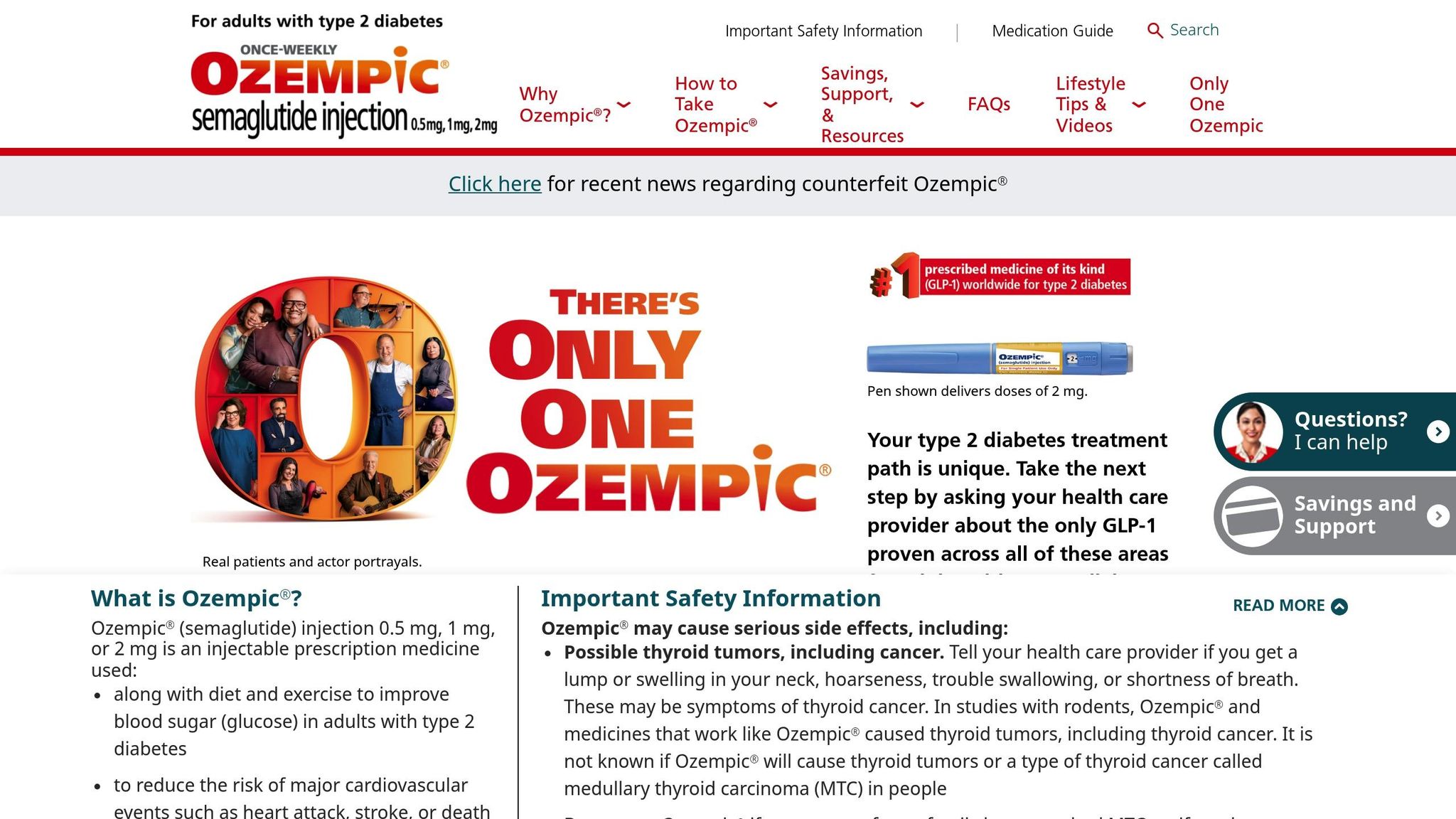
FDA-Approved Indications
Semaglutide comes in three FDA-approved forms: Ozempic (an injection for managing type 2 diabetes and reducing cardiovascular risks), Wegovy (an injection or tablet for chronic weight management and cardiovascular risk reduction), and Rybelsus (an oral tablet for type 2 diabetes). However, none of these are specifically approved for PCOS. When used to treat PCOS, it is prescribed off-label, meaning healthcare providers base their decisions on clinical evidence rather than FDA approval. These approved uses highlight semaglutide's established role in managing weight and related conditions, which has led to its exploration for addressing PCOS-related challenges.
Effectiveness in Weight Management
In the STEP 1 trial, researchers studied 1,961 adults without diabetes who received either a weekly 2.4 mg dose of semaglutide or a placebo. By week 68, participants taking semaglutide lost an average of 15.3 kg, compared to 2.6 kg in the placebo group. Additionally, 86.4% of those on semaglutide achieved at least a 5% reduction in body weight. Among the participants, 6.5% of the women had a baseline diagnosis of PCOS. These findings, coupled with affordable cash price plans starting at $149 per month for the daily oral pill and $199 per month for the weekly injection, underscore semaglutide's potential as a weight management tool for individuals with PCOS.
Evidence for PCOS-Specific Benefits
A meta-analysis published in October 2024 reviewed 13 randomized controlled trials involving women aged 18–45 with PCOS. The findings showed that GLP-1 receptor agonists (GLP-1RAs), such as semaglutide, significantly reduced BMI, body weight, waist circumference, and waist-to-hip ratio compared to metformin or a placebo (P < 0.0001 in all cases). On average, participants experienced a weight reduction of 3.57 kg (7.9 lbs). By enhancing insulin sensitivity and aiding in weight loss, semaglutide may help alleviate PCOS symptoms and indirectly improve fertility by promoting regular menstrual cycles and ovulation.
Potential Limitations or Side Effects
The most common side effects of semaglutide are gastrointestinal issues, such as nausea (44.2%), diarrhea (31.5%), and vomiting (24.8%). These symptoms usually occur during the dose-escalation phase and are generally mild to moderate in severity. To reduce the likelihood of side effects, healthcare providers typically start with a low dose of 0.25 mg weekly and gradually increase it every four weeks.
Semaglutide also carries a boxed warning about thyroid C-cell tumors and should not be used by individuals with a personal or family history of medullary thyroid carcinoma or Multiple Endocrine Neoplasia syndrome type 2. More severe risks include pancreatitis, gallbladder issues, kidney problems due to dehydration, and gastroparesis.
Another limitation is weight regain after stopping treatment. In the STEP 1 extension study, participants regained 11.6 percentage points of their lost weight by week 120 after discontinuing semaglutide. Additionally, women planning to become pregnant should discontinue the medication at least two months before conception due to potential risks to the fetus. Being aware of these potential drawbacks is essential for making informed decisions about using semaglutide for off-label PCOS management.
2. Liraglutide (Saxenda/Victoza)
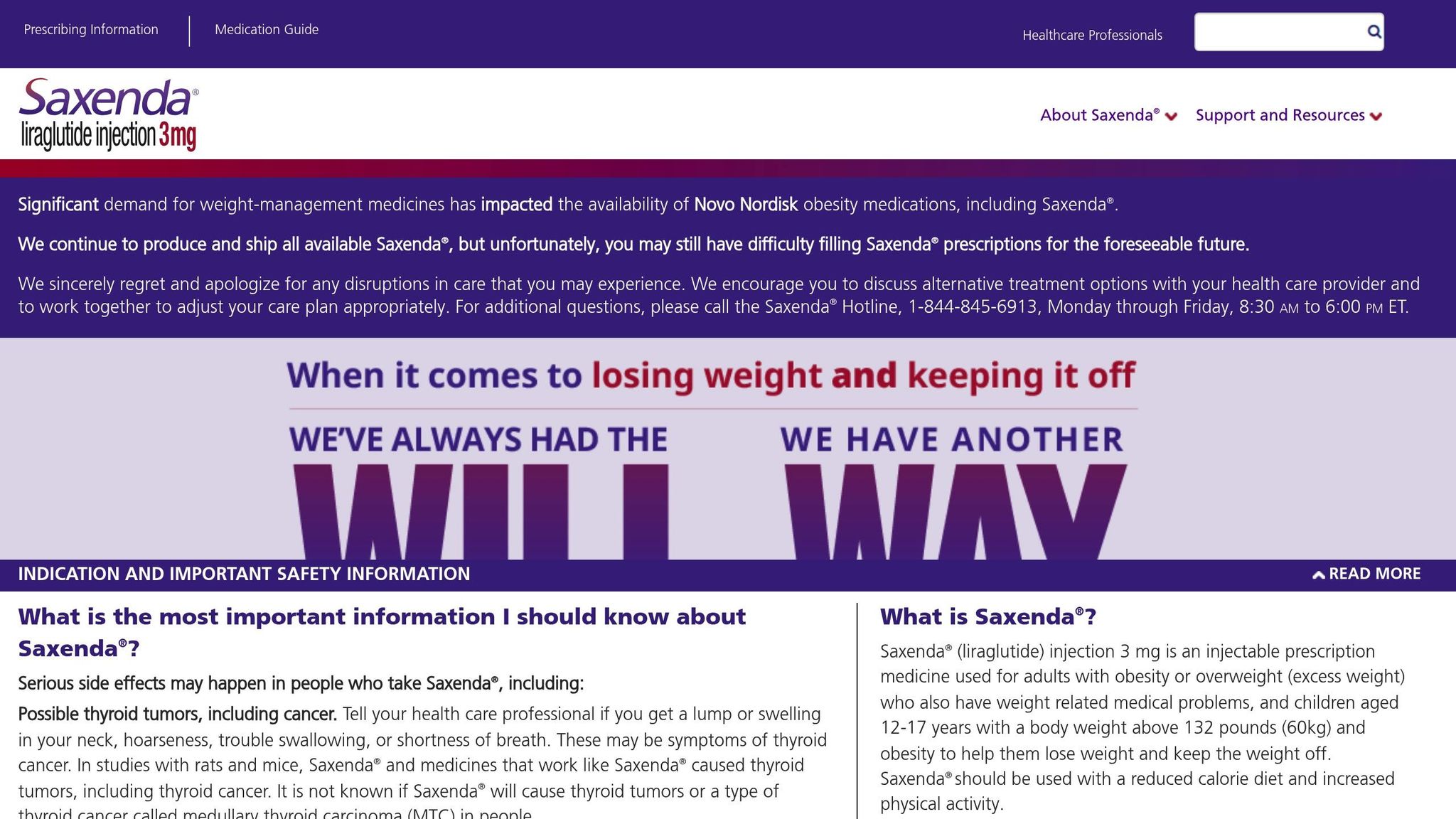
Liraglutide, a GLP-1 receptor agonist, has drawn attention for its potential role in managing PCOS symptoms, even though its use for this condition is off-label.
FDA-Approved Indications
Liraglutide is sold under two brand names: Victoza and Saxenda, each approved for different purposes. Victoza received FDA approval on January 25, 2010, for managing type 2 diabetes in adults and children aged 10 and older, as well as for reducing cardiovascular risks. Saxenda, on the other hand, was approved in December 2014 for chronic weight management in adults with a BMI of 30 kg/m² or higher, or 27 kg/m² with weight-related conditions. It is also approved for children aged 12–17 with obesity. However, neither drug is FDA-approved for PCOS, meaning any use in this context is off-label. A generic version of Victoza was approved on December 23, 2024.
Effectiveness in Weight Management
Liraglutide has shown promising results in weight management. Clinical trials have reported an average weight loss of 8.4 kg (18.5 lbs). For individuals with PCOS, a meta-analysis revealed that liraglutide provided a mean weight loss advantage of –2.74 kg compared to metformin. The drug works by delaying gastric emptying and increasing feelings of fullness through hypothalamic pathways.
In a 26-week study involving PCOS patients, liraglutide reduced visceral adipose tissue - abdominal fat linked to insulin resistance - by 18%. When combined with metformin, the weight loss effects were even more pronounced. One study found that patients lost 4.29 kg with the combination, compared to 2.28 kg with metformin alone over a 12-week period. These weight-related improvements can also lead to better hormonal balance in PCOS.
Evidence for PCOS-Specific Benefits
Beyond weight loss, liraglutide has demonstrated positive effects on other PCOS-related symptoms. Meta-analyses have shown that it can reduce BMI (mean difference: –1.59), waist circumference (by approximately –5 cm), and overall body weight more effectively than metformin or a placebo in PCOS patients. Additionally, liraglutide has been found to lower total testosterone levels by about 33%, which may help restore menstrual regularity and promote ovulation by regulating the hypothalamic-pituitary-gonadal axis.
Potential Limitations or Side Effects
While liraglutide offers several benefits, it also comes with potential side effects. Common issues include gastrointestinal symptoms such as nausea (18–20%), vomiting (6–9%), diarrhea, constipation, and headaches (10–11%). Gradually increasing the dose can help reduce these effects. If a dose is missed for more than three days, it’s recommended to restart at 0.6 mg.
Liraglutide carries a boxed warning for thyroid C-cell tumors and is contraindicated in individuals with a personal or family history of medullary thyroid carcinoma or Multiple Endocrine Neoplasia syndrome type 2. Serious risks include acute pancreatitis, gallbladder disease, kidney impairment, a slight increase in resting heart rate (4–9 beats per minute), and rare cases of suicidal behavior (reported in about 0.3% of adults and 0.8% of children during clinical trials). Patients should be monitored for symptoms of gallbladder issues, such as pain in the upper right abdomen after eating.
sbb-itb-6dba428
3. Tirzepatide (Mounjaro)
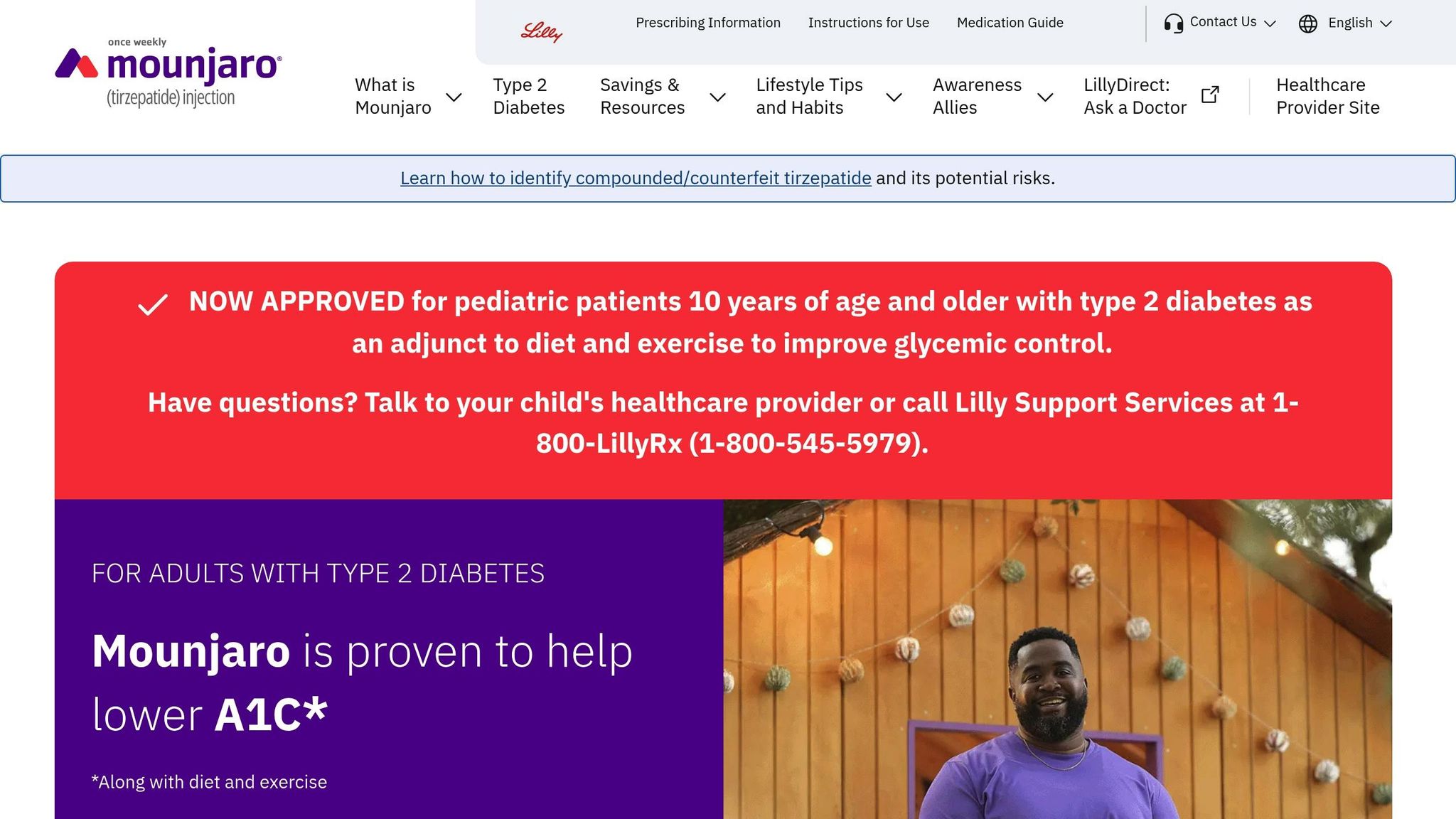
Tirzepatide is noteworthy for its ability to target both GLP-1 and GIP receptors, a mechanism that can be particularly helpful for PCOS patients struggling with obesity and insulin resistance.
FDA-Approved Indications
Tirzepatide is sold under two brand names: Mounjaro, approved for managing type 2 diabetes, and Zepbound, approved for chronic weight management. However, neither version has received FDA approval for treating PCOS, meaning its use for this condition is considered off-label. Research suggests it could be especially useful for PCOS patients dealing with obesity and metabolic issues, while its benefits may be more limited for those with normal weight.
Effectiveness in Weight Management
Tirzepatide has shown impressive results in clinical trials for weight loss. In the SURMOUNT-1 trial, participants taking a 15 mg dose experienced an average weight loss of 22.5% over 72 weeks. In another trial, SURMOUNT-5, tirzepatide outperformed semaglutide, resulting in a 47% greater weight reduction (20.2% vs. 13.7%). For patients with type 2 diabetes, the average weight loss was 12%, while those without diabetes saw an 18% reduction. Long-term data over 176 weeks showed sustained weight loss, with the 15 mg dose maintaining a 19.7% reduction in body weight. Remarkably, 91% of participants on the highest dose achieved at least a 5% weight loss, and over half saw reductions of 20% or more.
Evidence for PCOS-Specific Benefits
Tirzepatide’s dual action on GLP-1 and GIP receptors makes it a promising option for addressing the metabolic challenges associated with PCOS. While not officially approved for PCOS, its effectiveness in tackling obesity and insulin resistance makes it a potential tool for managing this condition. The combination of GIP and GLP-1 activity may regulate energy balance more effectively compared to GLP-1–only medications. For PCOS patients with metabolic syndrome, the medication’s strong weight loss effects could also promote hormonal balance and alleviate related symptoms. These attributes highlight its potential value in PCOS treatment, even as an off-label option.
Potential Limitations or Side Effects
Like many medications, tirzepatide comes with potential side effects, particularly gastrointestinal issues. During dose escalation, patients may experience nausea (18%), diarrhea (17%), vomiting (9%), or constipation (7%). These symptoms usually improve over time, but staying hydrated is crucial to avoid dehydration and potential kidney problems.
The drug carries a boxed warning for thyroid C-cell tumors and should not be used by patients with a history of such conditions. Other serious risks include acute pancreatitis, gallbladder disease, and increased heart rate, which has been reported in up to 10% of patients taking the 15 mg dose.
Another important consideration is that tirzepatide may reduce the effectiveness of oral contraceptives. Non-oral or barrier contraceptive methods are recommended for four weeks after starting the medication and after each dose increase. As of late 2025, Zepbound is available at $349 for 2.5 mg vials and $499 for doses ranging from 5 mg to 15 mg for uninsured patients.
Insurance Coverage and Access
Insurance coverage for GLP-1 medications in PCOS treatment is often limited since these drugs are FDA-approved only for type 2 diabetes or weight management. Dr. Hayley Miller, Medical Director of Nurx Weight Management, highlights the challenge:
Most insurance companies are not willing to cover them without approval from the Food and Drug Administration (FDA).
This lack of FDA approval for PCOS makes navigating insurance coverage a complex process.
The financial burden can be steep. Without insurance, Ozempic costs around $1,393 per month - or about $16,716 annually. When insurance denies coverage, some patients report paying between $350 and $1,400 per month for limited supplies.
To improve the chances of insurance approval, focus on metabolic complications rather than PCOS alone. Patients with a BMI over 30 - or over 27 if they have a weight-related condition like prediabetes or hypertension - may have better luck after going through a prior authorization process. Dr. David Ghozland, MD, advises:
The insurers react to the information that they cannot refute, and that is why you need to create an airtight medical history that would bind all the symptoms to metabolic dysfunction that the given drug is needed to address.
This process may involve submitting detailed documentation, including records of failed treatments (such as Metformin), metabolic panels, and even photos of physical symptoms like acanthosis nigricans.
If insurance barriers persist, consider appealing with comprehensive documentation. Discount programs, like SingleCare, may also help, potentially lowering costs to approximately $844 per pen. Additionally, telehealth services like Oana Health provide personalized PCOS care. These platforms connect patients with licensed professionals who can prescribe GLP-1 medications, assist with insurance issues, and deliver treatments directly to your home.
It’s also important to avoid compounded GLP-1 medications. As of July 31, 2025, the FDA reported 605 adverse events tied to compounded semaglutide and 545 linked to compounded tirzepatide. These unapproved products may contain incorrect salt forms, leading to dosing errors and, in some cases, hospitalizations.
Current Research Limitations and Future Studies
The evidence supporting the use of GLP-1 medications for managing PCOS remains quite limited. Many studies conducted so far have involved small participant groups, which weakens the ability to detect rare but serious side effects. For instance, a meta-analysis from 2025 reviewed 13 trials with a total of 397 participants, while a 2024 analysis focused on overweight women with PCOS included just 176 participants across four trials.
Another challenge is the short duration of most trials, which typically last between 12 and 26 weeks. This makes it difficult to assess the long-term safety and sustained benefits of these treatments. When it comes to reproductive outcomes, these short timelines further complicate the evaluation of potential risks. Dr. Mojca Jensterle from the University Medical Center Ljubljana points out a key issue:
The major concern is how to balance the reproductive and metabolic treatment strategies since the use of GLP-1 receptor agonists requires effective contraception while on therapy and a washout period before pregnancy.
This highlights a significant hurdle in designing studies for women using GLP-1 medications to improve fertility. These medications are contraindicated during pregnancy due to unknown risks to fetal development, which means a washout period is necessary before conception.
Additionally, newer GLP-1 agents like semaglutide and tirzepatide have far less research specific to PCOS compared to liraglutide. Moving forward, future studies need to address these gaps by including larger, multicenter trials with longer durations. Researchers should also explore combination therapies and emerging treatments, such as retatrutide - a triple agonist currently in Phase 3 trials - and Orforglipron, a nonpeptide oral GLP-1 receptor agonist in Phase 2.
Until robust data is available, including insights into long-term effects on glucose and lipid levels, FDA approval for GLP-1 medications in PCOS remains uncertain.
Conclusion
GLP-1 receptor agonists have shown promising results in alleviating PCOS symptoms. They help reduce body weight, lower BMI, and decrease waist circumference while enhancing insulin sensitivity. Additionally, these medications support menstrual regularity and ovulation restoration.
It’s important to note that none of these medications are FDA-approved specifically for PCOS. Before starting any therapy, it’s essential to review your medical history and reproductive goals, particularly if you have a history of medullary thyroid cancer, MEN 2, or are planning a pregnancy.
For the best outcomes, consult with a qualified healthcare provider who can recommend the right medication, determine the appropriate dosage, and guide you in integrating lifestyle changes or complementary treatments like metformin. As research advances, new therapies are emerging, offering more precise options for managing PCOS.
For instance, multi-agonists like tirzepatide and retatrutide are gaining attention for their potential in promoting weight loss and improving metabolic health.
If you're seeking specialized care, Oana Health provides telehealth services dedicated to PCOS treatment. They offer personalized, prescription-based care delivered right to your doorstep, with licensed professionals crafting treatment plans tailored to your individual needs. This highlights the growing importance of customized care in effectively managing PCOS in this rapidly evolving field.
FAQs
What are the possible side effects of GLP-1 medications for managing PCOS?
GLP-1 receptor agonists can be effective for managing weight and addressing certain symptoms of PCOS, but they aren’t without potential side effects. Common issues include nausea, vomiting, diarrhea, constipation, abdominal pain, and, in rare instances, more severe conditions like thyroid C-cell tumors or acute kidney injury, which may result from dehydration.
Make sure to have an open conversation with your healthcare provider about these risks and whether these medications suit your needs. Stick to your prescribed treatment plan and promptly inform your doctor if you experience any unusual symptoms.
How can GLP-1 receptor agonists help manage PCOS symptoms?
GLP-1 receptor agonists have shown promise in managing PCOS by tackling two of its most common challenges: insulin resistance and weight management. By addressing these issues, these medications can help lower androgen levels, regulate menstrual cycles, and support ovulation.
For women dealing with PCOS, these improvements can have a meaningful impact on hormonal balance and overall health. If you're considering treatment options, it’s worth discussing with a healthcare provider whether GLP-1 receptor agonists might be a suitable choice for you.
Why aren’t GLP-1 medications FDA-approved specifically for PCOS?
GLP-1 receptor agonists currently lack FDA approval for the treatment of PCOS. These medications are officially authorized only for conditions like type 2 diabetes and obesity. So far, no large-scale clinical trials have been submitted to the FDA to establish their safety and effectiveness specifically for managing PCOS.
While some studies point to potential benefits, such as better weight control and improved insulin resistance, their use for PCOS is considered off-label. This means healthcare providers can prescribe them based on a patient’s unique circumstances, but they are not officially sanctioned for this particular condition.