
How Omega-3s Support PCOS Mental Health
Omega-3 fatty acids can help improve mental health in women with PCOS by reducing inflammation, improving brain function, and supporting mood regulation. Research shows that taking 1,000 mg of omega-3s daily for 12 weeks can lower depression, anxiety, and stress levels while decreasing inflammatory markers like IL-8 and TNF-α. These fats are found in fatty fish (like salmon and sardines) and plant-based sources (like flaxseed and walnuts). Supplements are also an option, especially for those who don’t consume fish regularly.
Key Takeaways:
- PCOS and Mental Health: Women with PCOS are twice as likely to experience depression and anxiety, partly due to chronic inflammation and hormonal imbalances.
- Omega-3 Benefits: EPA and DHA, found in fish, reduce inflammation and support neurotransmitter function, improving mood.
- Food Sources: Fatty fish (salmon, sardines) and plant-based options (flaxseed, chia seeds) are great omega-3 sources.
- Supplementation: 1,000 mg of omega-3s daily (EPA + DHA) has shown positive results in mental health for women with PCOS.
For best results, combine omega-3s with a balanced diet, regular exercise, and professional healthcare guidance.
Why YOU NEED an Omega-3 supplement for PCOS! #pcos
How Omega-3s Improve Mental Health in PCOS
Research has shown a strong connection between PCOS and mental health challenges, and omega-3s appear to play a helpful role in addressing these issues through various biological mechanisms.
Reducing Inflammation to Improve Mood
Women with PCOS often deal with chronic low-grade inflammation, which involves higher levels of cytokines like TNF-α, IL-8, and IL-6 - molecules tied to depression and anxiety. Omega-3 fatty acids, especially EPA and DHA, help combat this by integrating into cell membranes and encouraging an anti-inflammatory response. For example, a 12-week randomized controlled trial of 40 women with PCOS found that taking 1,000 mg of omega-3 along with 400 IU of vitamin E daily significantly reduced IL-8 (P = 0.003) and TNF-α (P = 0.001) gene expression. These changes were accompanied by noticeable improvements in depression, anxiety, and stress scores. Lowering inflammation in this way may help regulate neurotransmitters, leading to a more balanced mood.
Supporting Brain Function and Mood Regulation
Omega-3s also play a critical role in brain health. DHA, a key component of omega-3s, helps maintain the structure and flexibility of neuronal cell membranes. This ensures that receptors work effectively, supporting serotonin and dopamine signaling - two neurotransmitters essential for mood, motivation, and feelings of pleasure. Additionally, omega-3s boost PPAR-γ activity, which enhances fat-cell function, improves insulin sensitivity, and shields brain cells from inflammation and oxidative stress. These effects may help reduce mood swings and emotional sensitivity, common in women with PCOS. Clinical studies back these findings, showing meaningful improvements in mental health with omega-3 supplementation.
Research on Omega-3s and PCOS Mental Health
Clinical trials focusing on PCOS have consistently reported that omega-3 supplementation not only lowers inflammatory markers but also improves mental health outcomes like depression, anxiety, and stress scores. Tools such as the Beck Depression Inventory and the Depression Anxiety Stress Scales have shown that women taking omega-3s experience reductions in these symptoms, even when factors like age, BMI, and hormone levels are accounted for. These mental health benefits are linked to biological changes, including reduced inflammatory gene expression and increased PPAR-γ activity. Broader studies in the general population also suggest that EPA-rich omega-3 supplements - typically taken in doses of 1–2 grams per day - can help alleviate depressive symptoms. For women with PCOS, consistent daily supplementation over 8–12 weeks seems to be key to achieving these mental health improvements.
How to Add Omega-3s to Your Daily Routine
Omega-3s play a key role in reducing inflammation and supporting brain health, which can be especially beneficial for mood and overall well-being. Here are some practical ways to incorporate them into your daily life.
Getting Omega-3s from Food
One of the best sources of omega-3s, specifically EPA and DHA, is fatty fish. These two types of omega-3s are directly linked to mood regulation and brain function. To meet your weekly needs, aim for about 8 oz of fatty fish, which typically means two 4 oz servings. Great options include salmon, sardines, mackerel, and trout. For example, you can bake a 4 oz salmon fillet for dinner twice a week or enjoy a 3.75 oz can of sardines in olive oil for a quick lunch. Pair sardines with salads, whole-grain crackers, or pita bread for a satisfying meal.
If you're looking for plant-based sources, consider foods rich in ALA, another type of omega-3. While your body converts ALA to EPA and DHA at a limited rate, it still serves as a useful complement to fish. Add 1–2 tablespoons of ground flaxseed or chia seeds to your oatmeal, yogurt, or smoothies. Sprinkle walnuts onto salads or mix them into trail mix for a snack. You can also stir hemp seeds into hummus or grain bowls. These plant-based options not only provide omega-3s but also deliver extra nutrients like fiber, which is helpful for managing PCOS. If dietary changes alone don’t meet your needs, omega-3 supplements can help ensure you're getting enough.
When to Take Omega-3 Supplements
Supplements can be a reliable way to ensure you're hitting the recommended daily intake. Research on PCOS has shown that 1,000 mg per day of combined EPA and DHA can improve mental health, including reducing depression and anxiety symptoms over a 12-week period. To check if your supplement meets this target, look at the Supplement Facts label. For instance, a capsule labeled "1,000 mg fish oil" might only contain 300 mg EPA and 200 mg DHA, meaning you'd need to take two capsules to reach the recommended amount.
There are different types of omega-3 supplements to choose from:
- Fish oil: The most widely available and affordable option, backed by extensive research.
- Krill oil: Contains EPA and DHA in a form that may absorb slightly better, though it tends to be more expensive.
- Algal oil: A vegan-friendly source of DHA (and sometimes EPA), ideal for those avoiding seafood or with allergies.
To maximize absorption and minimize any fishy aftertaste, take omega-3 supplements with a meal that contains fat, such as breakfast or dinner. If you still experience issues, try enteric-coated capsules or start with a smaller dose and gradually increase it.
Personalizing Your Omega-3 Plan
While omega-3s are generally safe, it’s always a good idea to consult a healthcare provider if you’re on blood thinners, have a bleeding disorder, are preparing for surgery, or take multiple medications for mood or hormonal health. For women managing PCOS with medications like metformin, spironolactone, hormonal birth control, or antidepressants, discussing dosage and timing with a clinician is especially important to avoid interactions and ensure the best results.
For tailored advice, Oana Health (https://oanahealth.com) provides telehealth services that specialize in PCOS, mental health, and weight management. Their licensed professionals can review your medications, help you decide between fish, krill, or algal oil, and set a safe starting dose. They’ll also work with you to integrate omega-3 supplementation into your overall treatment plan for PCOS, all through an online platform with the convenience of free home delivery. This personalized approach ensures your omega-3 routine is both effective and aligned with your broader health goals.
sbb-itb-6dba428
Step-by-Step Plan for Using Omega-3s
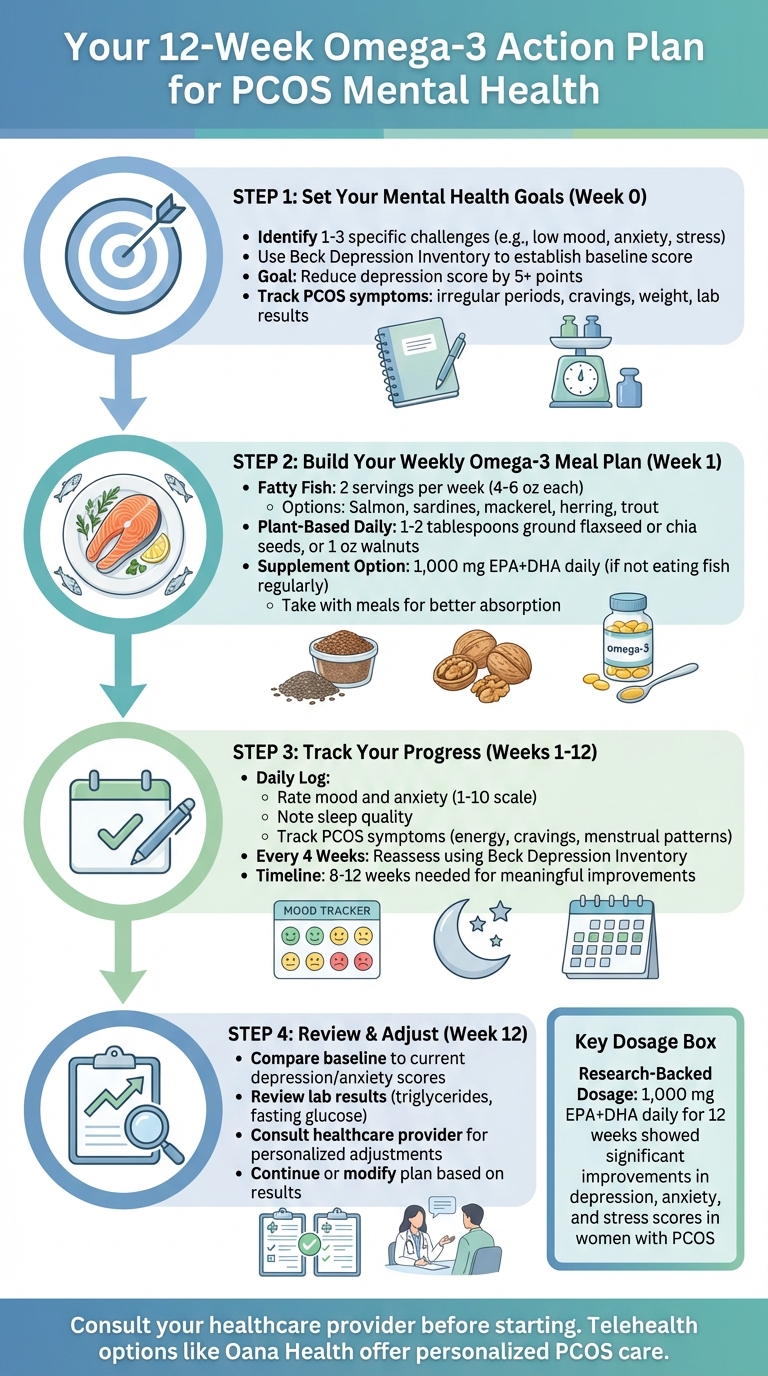
12-Week Omega-3 Implementation Plan for PCOS Mental Health
Incorporating omega-3s into your daily routine is easier when you follow a structured plan. Studies suggest that it can take 8 to 12 weeks to notice meaningful improvements in mood or PCOS symptoms. Here's how to set goals, create a meal plan, and track your progress effectively. Start by identifying your mental health priorities.
Set Your Mental Health Goals
Pinpoint one to three specific mental health challenges, such as low mood, anxiety, or stress, and establish measurable goals. Tools like the Beck Depression Inventory can help you track progress. For instance, you might aim to lower your depression score by at least 5 points or reduce the number of very low mood days to fewer than two per week. Additionally, consider noting PCOS-related concerns like irregular periods, cravings, weight fluctuations, or lab results (e.g., triglycerides or fasting glucose), as omega-3s may benefit both mood and metabolic health.
Build a Weekly Omega-3 Meal Plan
Plan for at least two servings of fatty fish per week, with each serving being 4 to 6 ounces. Options include baked or grilled salmon, canned sardines in olive oil, mackerel, herring, or trout. Complement this by adding daily plant-based omega-3 sources, such as 1 to 2 tablespoons of ground flaxseed, chia seeds, or 1 ounce of walnuts. You can also include omega-3–fortified foods like eggs or plant-based milks.
If fatty fish isn't part of your regular diet, consider taking an EPA/DHA supplement. Many healthcare providers recommend around 1,000 mg of omega-3s daily, with a higher percentage of EPA to support mood. For better absorption, take the supplement with a meal.
Track Your Progress Over Time
Monitor your mood, sleep, and PCOS symptoms daily, and reassess every four weeks using the same tool. For example, a 5-point drop in the Beck Depression Inventory score is often seen as a meaningful improvement. Keep a daily log where you rate your mood and anxiety on a 1-to-10 scale, note sleep quality, and track any PCOS-related changes, such as energy levels, cravings, or menstrual patterns. After 8 to 12 weeks, review lab results to see if improvements in mood correlate with better metabolic markers, as seen in PCOS studies. Regular tracking will help you fine-tune your plan.
For personalized advice on balancing mental and metabolic health with omega-3s, consult your healthcare provider. Telehealth services, like Oana Health, can offer science-backed support from the comfort of your home. Once your plan is in place, be sure to review safe dosages and precautions to ensure your omega-3 routine aligns with your broader PCOS care strategy.
Safety Guidelines and When to Get Help
Safe Omega-3 Dosages
For most adults in the U.S., consuming up to 3 grams per day of combined EPA and DHA from food and supplements is generally safe. Research on PCOS has shown that moderate doses are typically well-tolerated. A good approach is eating two to three servings of fatty fish per week and adding a 500–1,000 mg EPA+DHA supplement, which usually keeps intake within safe limits. However, if your combined omega-3 intake nears 2–3 grams daily or you’re taking blood-thinning or mood-altering medications, it’s important to consult your doctor.
Mild side effects like a fishy aftertaste, burping, nausea, or loose stools are common but often improve when omega-3s are taken with food, divided into smaller doses, or switched to an enteric-coated or algae-based formula. Rare but more serious risks include increased bleeding tendencies, such as easy bruising, frequent nosebleeds, or bleeding gums, especially at higher doses or when combined with blood-thinning medications. Additionally, if you experience new or worsening mood symptoms - such as heightened anxiety, agitation, or depressive thoughts - after starting omega-3s, stop the supplement and seek medical advice immediately. While these guidelines help ensure safe use, some individuals need to take extra precautions.
Who Should Be Careful with Omega-3s
Certain groups should approach omega-3 supplementation with added caution. For women with PCOS taking anticoagulants or antiplatelet drugs (e.g., warfarin, apixaban, rivaroxaban, clopidogrel, or high-dose aspirin), omega-3s can slightly increase the risk of bleeding. If you have a history of bleeding disorders, easy bruising, or low platelet counts, talk to your doctor before starting omega-3 supplements. Women with fish or shellfish allergies should opt for algae-based omega-3s under medical supervision.
For individuals managing bipolar disorder, severe depression, or complex psychiatric conditions, omega-3s should only be used alongside professional mental health care, as they complement but don’t replace mood treatments. Pregnant, trying-to-conceive, or breastfeeding women can benefit from omega-3s, but should work with a healthcare provider to ensure safe dosing and product purity. Additionally, women with liver disease, kidney disease, or uncontrolled diabetes should consult a doctor, as these conditions may require closer monitoring of fat intake and insulin sensitivity.
When to Consult a Healthcare Provider
Adding omega-3s to your PCOS mental health plan can be helpful, but knowing when to seek professional advice is crucial for safety. Seek immediate help if you experience thoughts of self-harm, severe mood swings, hallucinations, or a disconnect from reality. In such cases, call 911 or a crisis hotline without delay - supplements are not a substitute for urgent care.
Other warning signs that call for professional attention include persistent sadness or hopelessness lasting over two weeks, a loss of interest in daily activities, significant changes in sleep or appetite, panic attacks, or difficulty managing work or school. Overwhelming anxiety tied to PCOS-related issues like weight, infertility, or appearance is another reason to reach out for help.
Additionally, stop taking omega-3s and contact a healthcare provider if you notice unusual bleeding, such as frequent nosebleeds, blood in your stool, prolonged bleeding from small cuts, or new bruising. Persistent digestive issues like diarrhea, abdominal pain, or nausea that doesn’t improve, as well as allergic reactions like hives, lip or tongue swelling, or trouble breathing, also warrant immediate medical attention.
For PCOS-focused care, telehealth services like Oana Health offer prescription-based support for weight, hormones, and mental health. Licensed clinicians can evaluate your medications, PCOS status, and mental health history to determine safe omega-3 dosing and potential interactions, creating a tailored treatment plan. Before your appointment, prepare a detailed list of all medications and supplements (including omega-3 products and their doses), a brief log of your mood and anxiety symptoms, any relevant lab results (e.g., cholesterol, triglycerides, insulin resistance), and your specific goals - such as reducing anxiety or managing PCOS-related weight gain. This preparation ensures a personalized and effective strategy for incorporating omega-3s into your care.
Conclusion: Omega-3s as Part of PCOS Mental Health Care
Omega-3 fatty acids can play a key role in managing mood challenges associated with PCOS. In a 12-week study involving 40 women, taking 1,000 mg of omega-3s alongside 400 IU of vitamin E daily led to noticeable improvements in depression, anxiety, and stress levels. The study also showed reductions in inflammatory markers like IL-8 and TNF-α.
However, omega-3s are most effective when integrated into a comprehensive care plan. This means combining them with therapy, appropriate medications, and healthy lifestyle habits such as balanced nutrition, regular exercise, and professional mental health support.
For a personalized approach, consider visiting Oana Health. Their licensed professionals provide tailored PCOS treatments, including omega-3 supplementation, alongside prescription-based options for managing insulin resistance, weight concerns, and mental health. For example, Bupropion XL is available starting at $25 per month and can be delivered straight to your door, making it easier to stay consistent with your care.
Adding omega-3s to your routine is a simple yet effective way to support your mental health while managing PCOS. Discuss supplementation with your healthcare provider, track your progress over 12 weeks, and consider working with a specialized PCOS care team to create a plan that fits your needs.
FAQs
How can omega-3s improve mood in women with PCOS?
Omega-3 fatty acids can be a powerful ally in improving mood for women with PCOS, thanks to their impact on inflammation and brain health. These fats work to lower inflammation levels in the body, which are often elevated in PCOS and closely tied to mood disorders. Additionally, omega-3s support brain function by improving cell membrane health and aiding in the production of neurotransmitters like serotonin, a key player in mood regulation.
Adding omega-3s to your diet doesn’t have to be complicated. You can enjoy fatty fish like salmon or mackerel, sprinkle chia seeds or walnuts into your meals, or explore a high-quality omega-3 supplement. Consistently including these nutrients in your routine may help ease symptoms of depression and anxiety that many women with PCOS experience.
What are the best omega-3 sources for someone who doesn’t eat fish?
If fish isn’t part of your diet, don’t worry - there are plenty of other ways to get omega-3 fatty acids. Plant-based options like chia seeds, flaxseeds, and walnuts are excellent sources of alpha-linolenic acid (ALA), a type of omega-3. You can easily add them to your meals by sprinkling chia or flaxseeds on oatmeal, yogurt, or salads.
Another great alternative is algal oil, a supplement made from algae. It’s a plant-based source of DHA and EPA, the same omega-3s found in fish, making it a solid choice for those with dietary restrictions or preferences.
Adding these to your diet can help support mental health and overall wellness - particularly if you’re managing PCOS. Just make sure to consult with a healthcare provider to ensure they align with your nutritional needs.
Are there any risks or precautions to consider when taking omega-3 supplements for PCOS?
While omega-3 supplements are generally safe for most people, there are a few points worth noting. Taking high doses might lead to mild side effects such as nausea, an upset stomach, or even a fishy aftertaste. If you're on blood-thinning medications or have a bleeding disorder, it's important to talk to your healthcare provider first, as omega-3s can influence blood clotting.
For women managing PCOS, it's always wise to consult with a medical professional before introducing new supplements. This ensures they align with your unique health needs. For personalized care, Oana Health provides expert support and customized treatments specifically designed for PCOS and related conditions.