
PCOS Diet Tips for Androgen Regulation
PCOS affects up to 10% of women of reproductive age, often causing high insulin levels, symptoms of high androgens like irregular periods, acne, and weight gain. Managing PCOS starts with targeted dietary changes to improve insulin sensitivity, reduce inflammation, and balance hormones. Here's a quick guide:
- Focus on Low-Glycemic Carbs: Choose foods like quinoa, chickpeas, and leafy greens to avoid blood sugar spikes.
- Add Anti-Inflammatory Foods: Include omega-3-rich salmon, walnuts, flaxseeds, and spices like turmeric and cinnamon.
- Boost Fiber: Eat fiber-packed veggies, seeds, and whole grains to control blood sugar and support gut health.
- Balance Meals: Pair carbs with protein and healthy fats to stabilize glucose levels.
- Time Meals Wisely: Eat larger meals during active periods and smaller portions later in the day.
For extra support, consider medical treatments like Spironolactone or Metformin through telehealth platforms like Oana Health to regulate hormones and manage symptoms. Combining diet and treatment offers a multi-pronged approach to managing PCOS effectively.
Polycystic Ovary Syndrome (PCOS) & Diet | Mediterranean vs. Ketogenic vs. Low-AGE vs. Vegetarian
sbb-itb-6dba428
Choose Low-Glycemic Carbohydrates
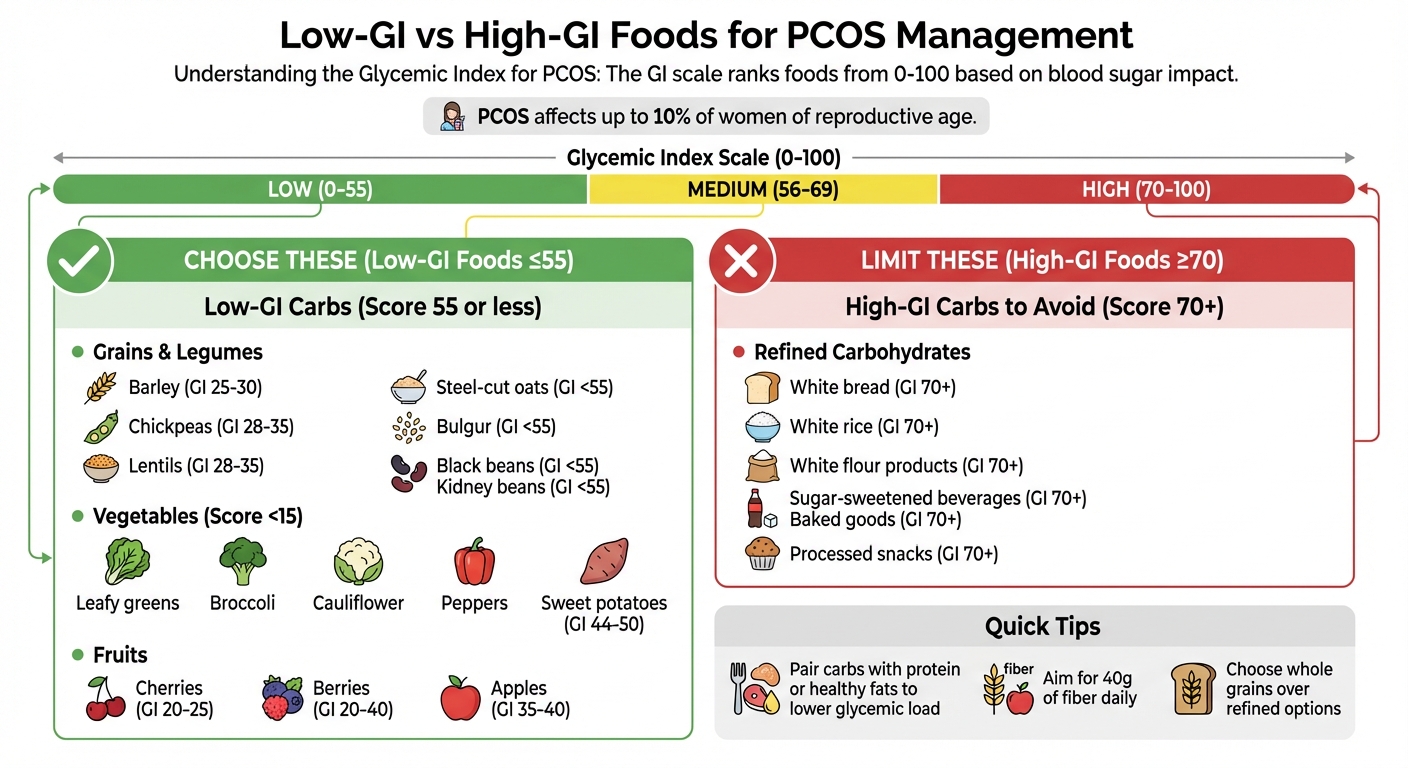
Low-GI vs High-GI Foods for PCOS Management
Eating high-GI (Glycemic Index) foods can cause blood sugar to spike quickly, which triggers a surge of insulin. For women with PCOS, this excess insulin prompts the ovaries to release more androgens, leading to further hormonal imbalance. The Glycemic Index ranks foods on a scale from 0 to 100, with low-GI foods scoring 55 or less. These foods cause a slower, more gradual rise in blood sugar, which helps improve insulin sensitivity - a critical factor in managing PCOS.
By focusing on low-GI carbohydrates, you can stabilize blood sugar levels and reduce insulin spikes. These foods release glucose gradually, supporting better insulin sensitivity and minimizing the hormonal signals that lead to increased androgen production. Stephanie McBurnett, RDN, LDN, from the Physicians Committee, highlights the benefits of this dietary approach:
"Embrace a plant-based diet abundant in fiber and other hormone-regulating compounds, such as soy, to effectively ease numerous painful symptoms and regain control over hormone balance".
Non-starchy vegetables, with GI values under 15, are excellent staples for a low-GI diet.
Recommended Low-GI Carbs
Stick to whole, minimally processed carbohydrates to maintain steady blood sugar levels. Here are some excellent options:
- Barley: Scores 25 to 30 on the GI scale.
- Chickpeas and lentils: Range between 28 and 35.
- Steel-cut oats, quinoa, and bulgur: Provide long-lasting energy without insulin spikes.
- Legumes: Black beans and kidney beans are rich in fiber and contain inositol, a compound that enhances insulin action and reduces androgen levels in women with PCOS.
For vegetables, focus on leafy greens, broccoli, cauliflower, and peppers, all of which score below 15. Sweet potatoes, with a GI of 44 to 50, are a nutritious alternative to white potatoes. Among fruits, cherries (20 to 25), berries (20 to 40), and apples (35 to 40) offer natural sweetness without causing sharp blood sugar increases.
To further lower the glycemic load of your meals, pair carbohydrates with protein or healthy fats - like enjoying an apple with almond butter.
Carbs to Limit or Avoid
Refined carbohydrates are the main culprits behind insulin spikes that worsen PCOS symptoms. Foods like white bread, white rice, and anything made with white flour score 70 or higher on the GI scale and should be minimized. Sugar-sweetened beverages, baked goods, and heavily processed snacks also cause rapid blood sugar surges that directly stimulate androgen production.
Dr. Yolanda Thigpen, Ob/Gyn at Cleveland Clinic, advises:
"Sugary foods and drinks and highly processed foods don't help you reach your nutritional goals and can actively work against them".
Instead of refined options, choose whole-grain alternatives. Swap white bread for pumpernickel or true whole-grain varieties with seeds. Replace white rice with barley, oats, or parboiled rice. Cooking methods can also make a difference - opt for techniques that retain a lower glycemic profile. Aim for 40 grams of fiber daily through fruits, vegetables, whole grains, and legumes to slow digestion and prevent blood sugar spikes.
Add Anti-Inflammatory Foods
After addressing insulin management, the next step is focusing on inflammation. Chronic low-grade inflammation, a hallmark of PCOS, can elevate insulin levels and, in turn, amplify androgen production. Angela Grassi, MS, RD, LDN, sheds light on this connection:
"Because women with PCOS have been shown to have low‐grade inflammation, elevated inflammatory signals can raise insulin, contributing to worsening of PCOS symptoms".
Introducing anti-inflammatory foods into your diet can help reduce systemic inflammation, which may lower androgen levels. Omega-3 fatty acids, for example, have been found to decrease testosterone concentrations and improve hormonal balance in women with PCOS. Below are key anti-inflammatory foods to consider.
Omega-3 Food Sources
Incorporate fatty fish like salmon, mackerel, sardines, and anchovies into your meals twice a week to help lower testosterone levels. If you're looking for plant-based alternatives, walnuts are a great choice - they can increase Sex Hormone Binding Globulin (SHBG), which helps reduce free testosterone levels.
Adding 30 grams (about 2 tablespoons) of ground flaxseeds to your daily diet can also improve your hormone profile. To preserve their healthy fats, store ground flaxseeds in the refrigerator. Chia seeds offer similar benefits and can easily be mixed into smoothies, yogurt, or oatmeal. Swap butter for olive oil and include avocado in your meals to boost your intake of unsaturated fats, which combat inflammation.
For an added boost, try drinking 2 cups of spearmint tea daily. Studies show it can reduce both total and free testosterone levels within 30 days.
Anti-Inflammatory Spices
Certain spices pack a powerful anti-inflammatory punch. Turmeric, thanks to its active compound curcumin, can reduce insulin resistance and inflammation. Cinnamon not only aids in improving insulin sensitivity but may also help regulate menstrual cycles. Ginger, another potent option, can be used fresh in cooking, added to tea, or blended into smoothies.
Amanda Stathos, M.S., R.D., L.D.N., a Clinical Dietitian, underscores the importance of these dietary changes:
"Substituting whole, unprocessed options for inflammatory items can set the stage for better long-term health".
Incorporating these foods and spices into your daily meals is a straightforward way to tackle the inflammation that worsens PCOS symptoms. Small changes in your cooking habits can lead to meaningful improvements in your overall health.
Increase Fiber and Key Nutrients
Fiber plays a crucial role in managing PCOS by slowing sugar absorption, which helps prevent insulin spikes that can lead to elevated testosterone levels. Angela Grassi, MS, RD, LDN, from The PCOS Nutrition Center, highlights its benefits:
"A high-fiber diet offers many benefits to women with PCOS, such as lower insulin levels, and antioxidants which fight to lower inflammation, and better gut bacteria."
Additionally, fiber supports the production of short-chain fatty acids, which aid in glucose control. With insulin resistance affecting between 50% and 75% of individuals with PCOS, increasing fiber intake can be a game-changer for reducing circulating testosterone levels. Pair this with nutrient-dense food choices to stabilize blood sugar and promote hormone balance.
High-Fiber Vegetables and Seeds
To increase fiber, make vegetables the star of your meals. Fill half your PCOS-friendly plate with fiber-packed options like cruciferous vegetables - broccoli, cauliflower, and Brussels sprouts - and leafy greens such as kale, spinach, and Swiss chard. Swap out refined grains for whole grains like quinoa, brown rice, and barley to further boost fiber intake.
Seeds are another simple way to up your fiber game. Sprinkle pumpkin, hemp, flax, or chia seeds on salads, mix them into yogurt, or blend them into smoothies. Adding legumes - like black beans, lentils, and chickpeas - a few times a week not only increases fiber but also supports gut health and balances hormones.
Beyond fiber, certain key minerals are essential for hormonal health.
Important Micronutrients for Hormones
Incorporating foods rich in magnesium, zinc, and chromium can significantly support hormone regulation:
- Magnesium: Found in almonds, spinach, cashews, and pumpkin seeds, this mineral helps improve insulin sensitivity and reduce inflammation.
- Zinc: Vital for hormone production and reproductive health, zinc is abundant in seeds, nuts, legumes, and shellfish.
- Chromium: Present in broccoli and whole grains, chromium enhances insulin response and helps regulate blood sugar.
Since these nutrients are often lacking in individuals with PCOS, a diet filled with a variety of nutrient-dense foods is essential for supporting overall hormonal balance.
Time Your Meals and Balance Your Plate
When managing PCOS, meal timing is just as important as what’s on your plate. By syncing your eating schedule with your body’s energy needs, you can improve insulin sensitivity and hormonal balance. Your body handles blood sugar more efficiently when your energy intake aligns with your activity levels. Eating during your most active periods helps burn off excess blood sugar, reducing the risk of insulin spikes that can trigger androgen production. Dr. Shruthi Mahalingaiah, a reproductive endocrinologist at Mass General Brigham, explains:
"This means eating when you're having the most activity, because that's when your body needs the energy and can burn off excess blood sugar."
By aligning meals with your circadian rhythm and daily activity, you can better control blood glucose levels, which directly supports improved insulin sensitivity and lower androgen levels. This approach works hand-in-hand with a diet that stabilizes blood sugar to further reduce androgen production.
Build Balanced Meals
Every meal should include a mix of lean protein, healthy fats, and fiber-rich carbohydrates. This trio helps slow glucose absorption into the bloodstream, avoiding the insulin spikes that may stimulate testosterone production. Think of it as the "pairing rule" - always pair carbohydrates or sugars with other macronutrients. For instance:
- Protein: Grilled chicken, salmon, or plant-based options
- Healthy Fats: A handful of nuts, avocado slices, or olive oil
- Fiber-Rich Carbohydrates: Vegetables, legumes, or whole grains
This combination not only keeps blood sugar stable but also supports muscle mass, which is crucial for long-term insulin sensitivity. Once your meals are balanced, timing them around your daily activity can make them even more effective.
Match Meals to Your Activity Level
Plan your largest meals during your busiest times of the day to maximize energy use. By front-loading calories before periods of high activity, you can minimize blood sugar spikes and make the most of your body’s energy needs. For less active times, such as the afternoon or evening, opt for smaller portions to avoid unused glucose lingering in your system. Heavy meals close to bedtime should also be avoided, as they can worsen insulin resistance.
For an added boost, try taking a short walk after meals. This simple habit can help lower blood sugar spikes and improve insulin function over time.
Pair Diet with Oana Health Treatments
Adjusting your diet is a key step in managing PCOS, but it becomes even more effective when combined with targeted medical treatments. Elevated insulin levels can cause the ovaries to produce more androgens, creating a hormonal cycle that makes managing weight and symptoms more challenging. Oana Health (https://oanahealth.com) offers telehealth-based prescription treatments designed to address these issues, complementing your dietary efforts. Combining these treatments with the dietary strategies mentioned earlier provides a well-rounded approach to managing androgen levels and PCOS symptoms.
Prescription Treatments for Androgen Control
For managing androgen-related symptoms, Spironolactone ($14/month) works by blocking androgen effects on hair follicles and skin, helping with issues like acne and unwanted facial hair. Another option, the Metformin & Spironolactone combination ($32/month), tackles both insulin resistance and excess androgen production. Metformin enhances your body’s insulin sensitivity, which can lead to lower androgen levels. According to experts:
"Regulation of insulin resistance can help with some of the symptoms of PCOS including ovulation, androgenic symptoms and may help with weight loss."
These medications are shipped directly to your home for free through Oana Health’s telehealth platform, removing the need for in-person doctor visits.
Treatments for Unwanted Hair and Skin Issues
In addition to addressing hormonal imbalances internally, topical anti-androgens can help manage visible symptoms. Eflornithine 12% ($69/month) is a topical solution for hirsutism that slows the growth of unwanted facial hair. While dietary changes work internally to reduce androgen levels, this treatment targets surface symptoms, offering a dual approach to managing PCOS. All prescriptions are provided by licensed medical professionals after a thorough review of your health history through Oana Health’s easy-to-use online platform.
Managing PCOS: A Holistic Approach
Effectively managing PCOS calls for a well-rounded strategy that prioritizes nutrition and hormone balance. Incorporating practical dietary steps - like opting for low-GI carbs such as quinoa and oats, including anti-inflammatory foods like salmon and turmeric, boosting fiber intake with vegetables and seeds, and timing meals to align with your daily activity - can play a key role in naturally regulating androgens.
While diet is a cornerstone of PCOS management, combining it with targeted treatments can further enhance insulin sensitivity and hormonal balance. For those seeking additional support, Oana Health (https://oanahealth.com) provides telehealth-based prescription treatments designed to address issues such as insulin resistance, unwanted facial hair, and hair loss. This approach offers a more comprehensive way to tackle PCOS symptoms on multiple fronts.
Start small - swap refined carbs for whole grains or add omega-3-rich fish to your meals. From there, explore how medical treatments through Oana Health can target the symptoms that affect your daily life the most. By consistently integrating dietary changes with medical support, you can create a sustainable plan to manage PCOS and regulate androgen levels effectively over time.
FAQs
How long does it take diet changes to lower androgens in PCOS?
Dietary adjustments can play a role in reducing androgen levels for women with PCOS, often beginning with a weight loss of about 5–10%. This amount of weight loss may lead to noticeable improvements in symptoms. However, achieving hormonal balance usually takes several months of sticking to consistent dietary and lifestyle changes. The outcomes can differ based on individual circumstances and how well the changes are maintained.
What’s the easiest low-GI meal plan for busy days with PCOS?
Managing PCOS on hectic days can feel overwhelming, but a 7-day low-GI meal plan can simplify things. These plans focus on balanced, blood sugar-friendly meals that help reduce cravings and promote hormone balance. Look for options that include complete grocery lists and straightforward prep instructions - perfect for saving time while still prioritizing your health. With these tools, sticking to a healthy routine becomes much easier, even on your busiest days.
When should I consider adding metformin or spironolactone?
When dealing with insulin resistance or metabolic issues, metformin might be a suitable option. For those struggling with androgen-related effects like acne or excessive hair growth, spironolactone could provide relief by blocking these hormones. These medications are often part of a broader treatment plan aimed at managing the symptoms of PCOS effectively.