
Supplements Supporting PCOS Weight Loss
If you're dealing with PCOS, weight loss can be especially challenging due to factors like insulin resistance, hormonal imbalances, and inflammation. Supplements can help by addressing these underlying issues, alongside a healthy diet and exercise. Here's a quick overview of the most effective supplements for PCOS-related weight management:
- Myo-Inositol: Improves insulin sensitivity, regulates cycles, and supports ovulation. Recommended inositol dosage for PCOS weight loss: 4 g/day in a 40:1 ratio of myo-inositol to D-chiro-inositol.
- Omega-3 Fatty Acids: Reduces inflammation, improves insulin markers, and supports fat loss. Dosage: 1,000–3,000 mg/day.
- Vitamin D: Regulates glucose metabolism and lowers testosterone. Dosage: 1,000–2,000 IU/day (adjust based on lab results).
- Magnesium: Enhances insulin function and reduces testosterone. Dosage: 250 mg/day.
- Berberine: Activates AMPK to improve insulin sensitivity and aid weight loss. Dosage: 500 mg, 2–3 times daily.
These supplements work best when combined with lifestyle changes like balanced meals and regular exercise. Always consult a healthcare provider before starting any new supplement regimen.
MAXIMIZE Your PCOS Weight Loss With These 10 Supplements!
Primary Supplements for PCOS Weight Loss
When it comes to managing weight with PCOS, three supplements stand out for their ability to address the underlying metabolic and hormonal struggles. These supplements target specific pathways like improving insulin sensitivity, reducing inflammation, and addressing metabolic imbalances.
Inositol for Insulin Sensitivity
Inositol plays a vital role in insulin signaling. It helps release inositol-phosphoglycans, which activate enzymes needed for glucose metabolism. This process also promotes the movement of glucose transporter 4 (GLUT4) to the cell membrane, enhancing glucose uptake at the cellular level.
"Inositol improves insulin resistance (IR) by promoting the translocation of glucose transporter (GLUT4), enhancing cellular glucose uptake, thereby lowering fasting insulin levels." - Rutong Wang, Clinical Anatomy & Reproductive Medicine Application Institute
In addition to improving insulin resistance, inositol has been shown to effectively manage lipid profiles. It scores high for reducing triglycerides (98.7%) and total cholesterol (97.5%). A meta-analysis of 26 studies also found it significantly reduces BMI in women with PCOS. Research indicates that a 40:1 ratio of myo-inositol and D-chiro-inositol is particularly beneficial for restoring ovulation and improving metabolic health. However, consistent use for at least six months is often necessary to see improvements in insulin resistance, blood pressure, and menstrual regularity.
Omega-3 Fatty Acids for Reducing Inflammation
Omega-3 fatty acids, especially EPA and DHA, are known for their anti-inflammatory properties. They work by blocking inflammatory pathways and enhancing insulin sensitivity through the activation of the GPR120 receptor in fat tissue. Studies show that higher omega-3 intake is linked to better insulin sensitivity and a lower percentage of body fat. Moreover, increased levels of DHA and EPA in the bloodstream are associated with reduced fat mass and increased muscle mass. Omega-3s also boost Sex Hormone Binding Globulin, which helps lower active androgen levels.
"Higher levels of dietary and serum omega-3 PUFAs, particularly long-chain omega PUFAs (DPA and DHA), might have beneficial effects on metabolic parameters and body composition among PCOS patients." - Ling Lu, Department of Gynecology, First Affiliated Hospital of Chengdu Medical College
For optimal results, aim for 500 mg to 1,500 mg of omega-3s daily, either from fatty fish like salmon and sardines or from high-quality supplements. Research suggests that 8 to 12 weeks of supplementation can lead to noticeable improvements in metabolic markers.
Vitamin D for Hormonal and Metabolic Support
Vitamin D deficiency is widespread among women with PCOS, with rates ranging from 67% to 85%. This vitamin plays a critical role in regulating glucose metabolism through its receptors, which influence genes involved in insulin synthesis, release, and receptor expression. It also aids in glucose transport, making it a key player in metabolic health.
Vitamin D’s benefits extend beyond glucose regulation. It helps balance hormones by reducing testosterone and luteinizing hormone levels while increasing Sex Hormone Binding Globulin. It also lowers C-reactive protein, a marker of inflammation tied to abdominal fat and other metabolic issues. High-dose supplementation (4,000 IU daily or more) for at least 12 weeks has been shown to improve insulin sensitivity and lipid profiles significantly. However, it’s crucial to test your vitamin D levels before starting supplementation, as excessive doses can be harmful. Emerging research also suggests that combining vitamin D with probiotics may amplify its effects by boosting vitamin D receptor expression. This synergy highlights how synbiotics can improve insulin resistance when used alongside other metabolic supports.
These supplements provide a solid foundation for addressing PCOS-related challenges and can complement other treatment strategies.
Additional Supplements for PCOS Management
Managing PCOS often involves addressing hormonal and metabolic imbalances, and certain supplements can play a key role in this process. Beyond the primary options, these additional nutrients target specific disruptions commonly associated with PCOS.
Magnesium for Testosterone and Insulin Regulation
Magnesium is a crucial player in regulating insulin sensitivity and glucose metabolism. By improving how insulin receptors function, it helps lower circulating insulin levels, which can, in turn, reduce the production of excess testosterone by ovarian cells. Interestingly, magnesium deficiency is frequently observed in women with PCOS, and this deficiency is closely tied to insulin resistance and obesity.
One study focusing on patients with type 2 diabetes found that magnesium supplementation over 16 weeks reduced HOMA-IR (a measure of insulin resistance) from 5.0 ± 1.3 to 3.8 ± 1.1. Clinical trials often recommend around 250 mg of magnesium daily, with its effects amplified when combined with nutrients like zinc or vitamin E.
"Magnesium, as the second messenger for insulin action, regulates the auto-phosphorylation of insulin receptor to improve its sensitivity and reduces blood sugar levels by facilitating glucose transport."
– Frontiers in Endocrinology
Berberine for Blood Sugar and Weight Control
Berberine works by activating the AMPK pathway, which is central to maintaining cellular energy balance. This activation improves carbohydrate metabolism and insulin sensitivity, leading to reductions in fasting insulin levels. Some research even suggests that berberine may outperform metformin in promoting weight loss, with fewer gastrointestinal side effects.
"Berberine treatment group showed improved weight reduction compared to metformin and placebo."
– Jan Jurgiel, Internal Medicine Department with Endocrinology and Diabetology Subdepartment
Berberine also boosts levels of Sex Hormone-Binding Globulin (SHBG), helping to lower free testosterone. Typical dosages range from 400 mg to 500 mg, taken two to three times daily. Additionally, combining berberine with metformin has shown greater effectiveness in reducing BMI and total testosterone compared to metformin alone.
Zinc for Androgen Reduction and Fat Oxidation
Zinc plays a dual role in PCOS management by improving glucose metabolism and reducing androgen levels. Women with PCOS often have lower zinc levels, and supplementation can help address this deficiency. Research shows that zinc significantly reduces free testosterone, DHEAS, and other androgens, which may help counteract weight gain and metabolic issues.
"Zinc ions play crucial roles in insulin metabolism including the synthesis, storage, secretion, conformational integrity, function, and action of insulin."
– Journal of the Turkish-German Gynecological Association
A meta-analysis found that 50 mg of zinc daily significantly reduced total testosterone levels in women with PCOS. Beyond hormonal benefits, zinc supports fat metabolism by lowering cholesterol, LDL, and triglycerides, while also reducing inflammation markers like hs-CRP. Dosages typically range from 8 mg to 50 mg of elemental zinc daily, taken over 8 to 12 weeks, to improve both hormonal and metabolic health markers.
sbb-itb-6dba428
Supplement Comparison Table
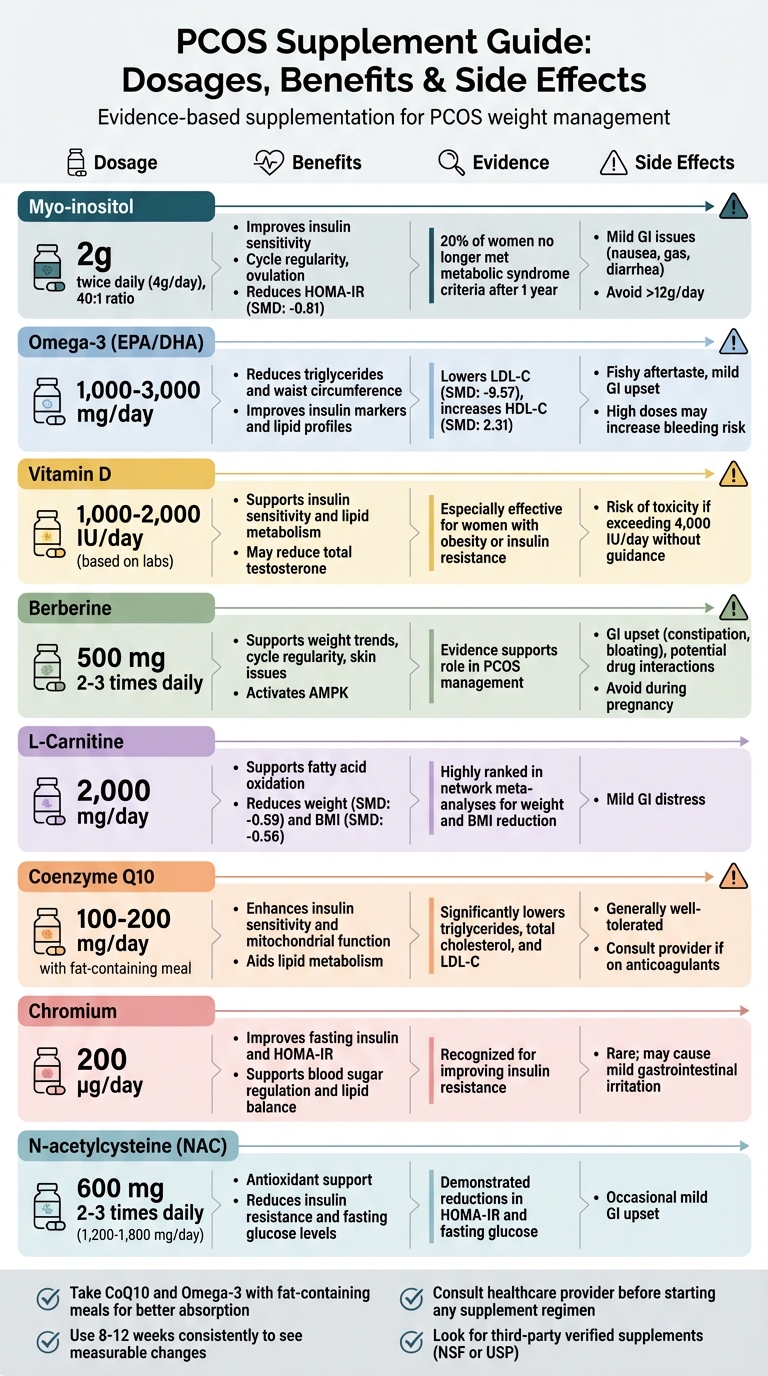
PCOS Supplement Comparison: Dosages, Benefits and Side Effects
Choosing the right supplements involves comparing dosages, benefits, supporting research, and potential side effects. For most supplements, consistent use over 8–12 weeks is necessary to notice measurable changes. Before starting any supplement regimen, it’s a good idea to get baseline lab tests - like fasting glucose and insulin - to track progress objectively after about 90 days. Always consult a healthcare provider about potential interactions, especially if you’re on anticoagulants or insulin-sensitizing medications.
Here’s a quick-reference table summarizing key details for common supplements:
| Supplement | Recommended Dosage | Primary PCOS Benefits | Key Evidence | Possible Side Effects |
|---|---|---|---|---|
| Myo-inositol | 2 g twice daily (4 g/day); 40:1 ratio | Improves insulin sensitivity, cycle regularity, and ovulation; reduces HOMA-IR (SMD: -0.81) | One study found 20% of women no longer met metabolic syndrome criteria after one year | Mild GI issues (nausea, gas, diarrhea); avoid doses above 12 g/day |
| Omega-3 (EPA/DHA) | 1,000–3,000 mg/day | Reduces triglycerides and waist circumference; improves insulin markers and lipid profiles | Shown to lower LDL-C (SMD: -9.57) and increase HDL-C (SMD: 2.31) | Fishy aftertaste, mild GI upset; high doses may increase bleeding risk |
| Vitamin D | 1,000–2,000 IU/day (based on labs) | Supports insulin sensitivity and lipid metabolism; may reduce total testosterone | Especially effective for women with obesity or insulin resistance | Risk of toxicity if exceeding 4,000 IU/day without guidance |
| Berberine | 500 mg 2–3 times daily | Helps with weight trends, cycle regularity, and skin issues (e.g., acne, hirsutism); activates AMPK | Evidence supports its role in PCOS management | GI upset (constipation, bloating), potential drug interactions; avoid during pregnancy |
| L-Carnitine | 2,000 mg/day | Supports fatty acid oxidation; reduces weight (SMD: -0.59) and BMI (SMD: -0.56) in overweight women | Highly ranked in network meta-analyses for weight and BMI reduction | Mild GI distress |
| Coenzyme Q10 | 100–200 mg/day with fat-containing meal | Enhances insulin sensitivity and mitochondrial function; aids lipid metabolism | Significantly lowers triglycerides, total cholesterol, and LDL-C | Generally well-tolerated; consult a provider if on anticoagulants |
| Chromium | 200 μg/day | Improves fasting insulin and HOMA-IR; supports blood sugar regulation and lipid balance | Recognized for improving insulin resistance | Rare; may cause mild gastrointestinal irritation |
| N-acetylcysteine (NAC) | 600 mg 2–3 times daily (1,200–1,800 mg/day) | Antioxidant support; reduces insulin resistance and fasting glucose levels | Demonstrated reductions in HOMA-IR and fasting glucose | Occasional mild GI upset |
For better absorption, take CoQ10 and Omega-3 with meals containing fat. Additionally, look for supplements verified by third-party organizations like NSF or USP to ensure quality and safety.
Conclusion and Next Steps
Myo-inositol, omega-3s, and vitamin D can support weight loss in women with PCOS, especially when paired with lifestyle changes. In fact, about 70% of women with PCOS use supplements to help manage their condition. However, it’s important to remember that these supplements should complement - not replace - healthy eating, regular exercise, and proper medical care.
Taking a Complete Approach
Managing PCOS effectively requires a combination of targeted supplementation and lifestyle adjustments. Even losing just 5% to 10% of your body weight can significantly improve insulin resistance, hormone levels, and menstrual cycles. As Erica Smolinski, MS, RDN, CDN, explains:
"Diet and physical activity should be the first line nutrition intervention for polycystic ovary syndrome (PCOS)".
While supplements like L-carnitine can support fat metabolism and inositol can improve insulin sensitivity, sustainable habits - such as balanced meals and consistent physical activity - are the backbone of long-term success. Starting with baseline lab tests to identify deficiencies and track progress can make your care plan more effective and personalized.
How Oana Health Can Help
Oana Health offers telehealth services tailored specifically for women dealing with PCOS and weight-related challenges. Through online consultations with licensed medical professionals, you can receive personalized treatment plans. These plans may include prescription options like Metformin or other weight loss medications for insulin resistance or combination therapies for additional metabolic support. Plus, all medications are shipped directly to your door from FDA-regulated pharmacies, with free shipping included.
This approach ensures your supplements and treatments work together safely and effectively. Whether you’re tackling weight management, hormonal imbalances, or specific PCOS symptoms like hair loss or excess facial hair, Oana Health provides the expert guidance you need for lasting results. For more information, visit Oana Health or explore their weight management services.
FAQs
How long does it take for supplements to support PCOS-related weight loss?
Most women with PCOS begin to see changes in symptoms - like better weight control, more regular periods, and improved ovarian function - after taking supplements such as inositol, omega-3s, or vitamin D consistently for around 6 to 8 weeks.
That said, the results can differ from person to person. Factors like overall health, lifestyle choices, and how closely you stick to the supplement routine all play a role. It's always wise to check in with a healthcare provider to figure out the best plan tailored to your needs.
What are the potential side effects or risks of taking supplements for PCOS?
While supplements like inositol, omega-3 fatty acids, and vitamin D are often considered safe for managing PCOS symptoms, they aren't completely risk-free. For example, inositol might cause mild stomach discomfort in some people, leading to issues like nausea or bloating. Similarly, taking high doses of omega-3s could increase the risk of bleeding or cause digestive problems, especially if you're on blood-thinning medications. Though uncommon, excessive vitamin D intake can lead to toxicity, with symptoms such as nausea, vomiting, or even kidney complications.
Because of these potential risks, it's crucial to consult a healthcare professional before adding any supplements to your routine. A licensed provider can recommend the right dosage and check for possible interactions with medications or preexisting health conditions. Remember, supplements work best as part of a treatment plan that's tailored specifically to your needs.
Can I take supplements for PCOS weight loss along with my prescribed medications?
Supplements like inositol, omega-3 fatty acids, and vitamin D can play a role in supporting weight management and overall well-being for women with PCOS. But whether these supplements can be safely combined with your prescribed medications depends on your individual health needs and treatment plan. That’s why it’s crucial to consult a healthcare professional before adding supplements to your routine.
Certain supplements may influence insulin levels, hormone balance, or other metabolic functions, which could interact with the medications you’re already taking for PCOS. To ensure your treatment is both safe and effective, discuss your options with your doctor or a licensed medical provider. Tailored guidance is essential when it comes to managing PCOS.